Cortisol belly fat is real, it’s hormone-driven, and diet alone won’t fix it.
You’re not eating more. You might even be eating less. But your belly keeps growing.
That’s one of the most frustrating experiences people describe as we age. And most of the advice they get misses the actual driver. They’re told to exercise more, eat fewer carbs & focus on a low-fat diet, and even try intermittent fasting. Some of it helps. But if chronic stress and elevated cortisol are running in the background, none of it works the way it should.
Understanding why changes everything about how you approach it.
What Is Cortisol Belly Fat?
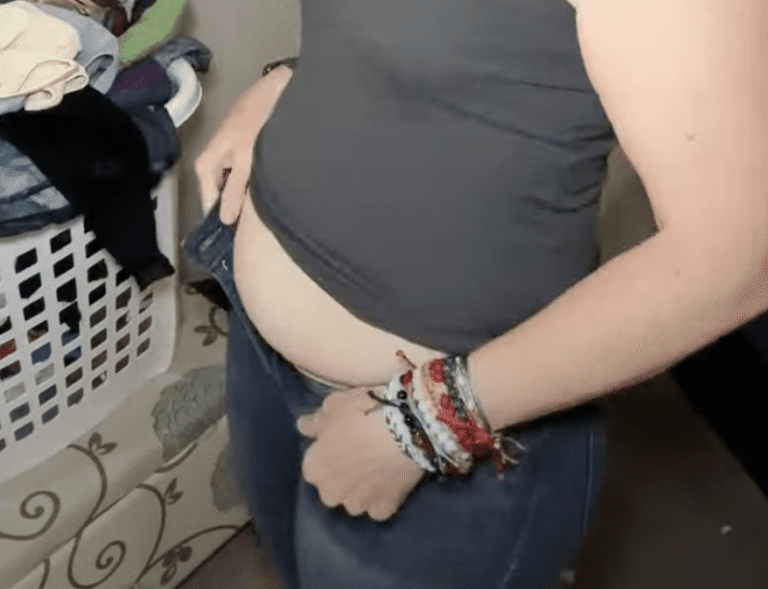
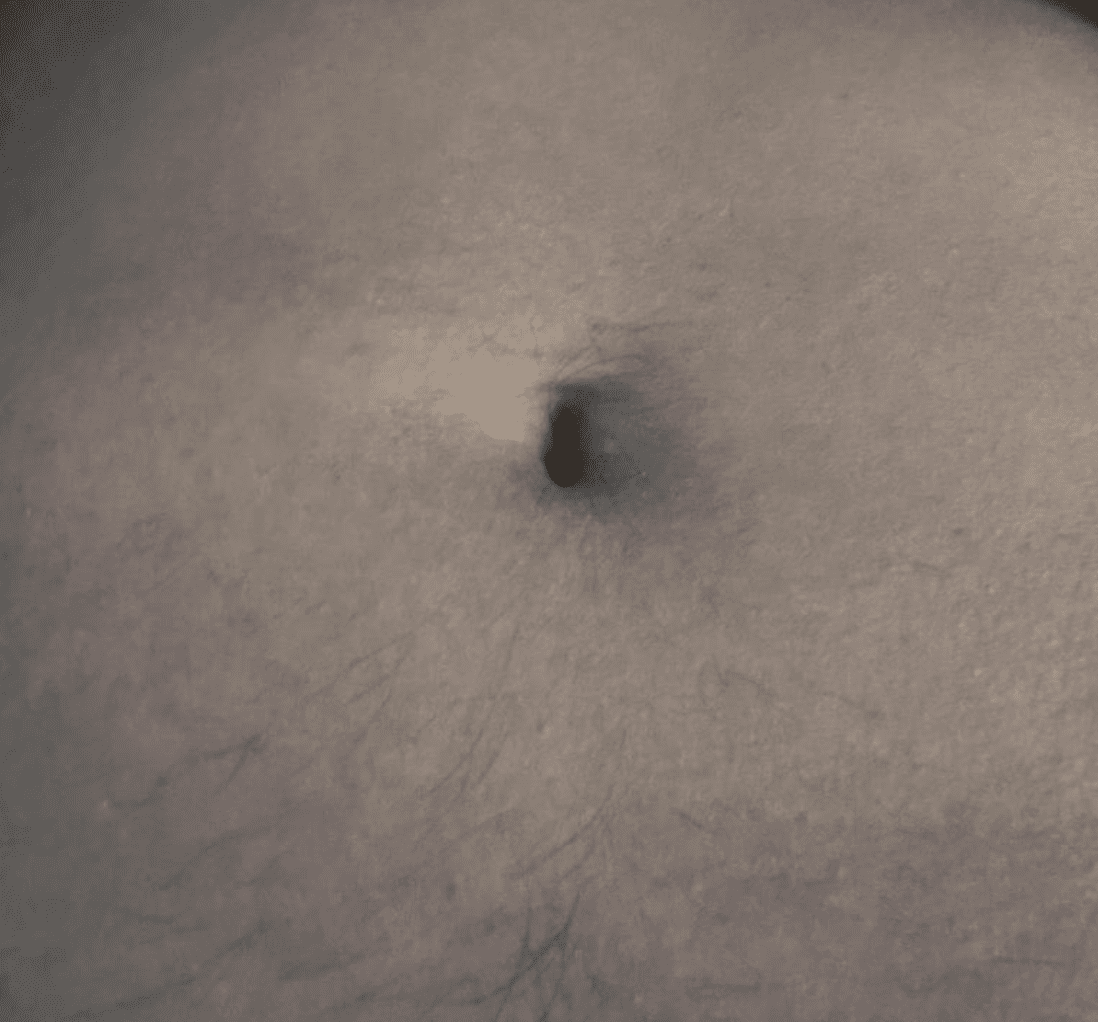
Cortisol belly fat refers to the visceral fat that accumulates around the midsection as a result of chronically elevated cortisol, the body’s primary stress hormone. Unlike subcutaneous fat, which sits just under the skin, visceral fat wraps around the organs deep in the abdomen. It’s metabolically active in a destructive way, secreting inflammatory compounds that worsen insulin resistance, raise cardiovascular risk, and disrupt hormonal signaling. A 2017 study published in the journal Obesity found that among more than 2,500 adults over 54, exposure to higher cortisol levels over several months was directly associated with persistent weight gain and difficulty losing weight.
Men carry cortisol-related weight differently than women, typically showing it in the upper abdomen and trunk, while women tend to notice it in the lower belly and waist. But both are driven by the same hormone, which drives the same fat-storage mechanism. If you’ve noticed your waistline expanding during periods of sustained stress while the rest of your body stays relatively the same, that’s not a coincidence.
If you’re also dealing with the broader picture of weight loss resistance, cortisol is likely part of that conversation too.
Why Chronic Stress Hits Differently as You Get Older
Cortisol isn’t a villain. In the right amounts, it helps you wake up in the morning, manage emergencies, and regulate your energy throughout the day. The problem is chronic stress, the kind that doesn’t resolve, the kind that runs at a low hum for weeks, months, and even years at a time.
As estrogen declines during perimenopause and menopause, its natural buffering effect on the cortisol stress response disappears. Estrogen had been helping your body recover from stress more efficiently. Without it, the cortisol response becomes more reactive and takes longer to return to baseline. The same stressful day that your body would have bounced back from at 35 can now keep cortisol elevated for days.
For men, the picture is similar. Declining testosterone reduces the body’s ability to recover from stress efficiently and increases sensitivity to the metabolic effects of cortisol. The hormonal protection that existed in younger years thins out for everyone.
This is why the same lifestyle that maintained your weight in your thirties can stop working in your fifties even when nothing about it has changed. The hormonal environment your metabolism was operating in has changed.
How Cortisol Specifically Drives Fat Toward Your Midsection
Visceral fat cells have a higher concentration of cortisol receptors than fat cells anywhere else in the body. They’re essentially primed to respond to cortisol by pulling in more fat and holding onto it. When cortisol is elevated, it signals your body to store energy quickly and efficiently in case the perceived threat continues. That stored energy goes to the abdomen.
At the same time, cortisol raises blood sugar to fuel the fight-or-flight response. That blood sugar spike triggers an insulin release. Insulin is a fat-storage hormone. So elevated cortisol creates a cycle where blood sugar rises, insulin spikes, and fat storage increases, particularly in the belly.
Cortisol also increases appetite, specifically cravings for high-sugar and high-fat foods. Research confirms that people with higher cortisol reactivity consume significantly more calories during and after stressful periods. It’s not weak willpower. It’s a hormonal drive that’s hard to override without addressing the cortisol itself.
According to Healthline’s breakdown on cortisol and weight gain, elevated cortisol also slows metabolism and can decrease muscle mass, which compounds the problem because less muscle means a lower resting metabolic rate. The cycle feeds itself.
The Sleep Piece Nobody Explains Clearly Enough
Poor sleep raises cortisol. Elevated cortisol makes it harder to sleep. That loop is one of the most difficult patterns to break when it gets established.
When you don’t sleep well, the body doesn’t complete its overnight cortisol suppression cycle. That means you wake up with cortisol already elevated, before the day’s stressors have even started. Ghrelin, the hunger hormone, rises with sleep deprivation. Leptin, the satiety hormone, drops. So you start the day hungrier, craving the wrong things, and already in a stress-hormone state that’s going to push any extra calories toward your abdomen.
This is why addressing sleep and stress together matters more than either one alone. If your cortisol is chronically elevated from life stress and your sleep is poor because of it, fixing your diet without touching either of those levers won’t move the needle the way you want it to. We’ve written about magnesium’s specific role in sleep quality if you want to look at your supplementation.
Why You Can Be Doing Everything Right and Still Not Losing
This is the part that feels the most unfair. You can be eating well, moving your body, getting reasonable sleep, and still watching your waistline stay put or grow. If cortisol is chronically elevated, your body is operating in a fat-storage mode that’s hard to override with behavioral changes alone.
Ironically, over-exercising can make it worse. Long cardio sessions and high-intensity workouts raise cortisol. For some people, adding more intense exercise to an already stressed system keeps cortisol elevated rather than helping it come down. Shorter, more moderate movement often does more for cortisol management than longer, harder sessions.
This doesn’t mean exercise is the enemy. It means the type, timing, and intensity of movement matters when cortisol is the underlying issue. Strength training with adequate recovery, walking, and lower-intensity movement tend to be better fits than endless cardio when the goal is reducing cortisol’s impact on body composition.
The Northwell Health overview on cortisol and weight frames it clearly: managing cortisol means starting small, picking one variable at a time, and addressing the root cause rather than pushing harder on what isn’t working.
Take a look at where menopause itself plays into the weight picture.
What Actually Helps With Cortisol Belly Fat
There’s no supplement that fixes this on its own. But there are things that work when you do them consistently.
Sleep has to come first. Not optimized sleep with seventeen supplements and going to bed at 8 pm. Look at creating a consistent bedtime routine. Cortisol follows a daily rhythm and needs adequate overnight recovery to reset. If your sleep is genuinely poor, that’s the highest-leverage thing you can address.
Protein intake matters more than most people realize in a high-cortisol state. Adequate protein stabilizes blood sugar, blunts the insulin response that cortisol drives, and protects muscle mass that cortisol degrades. If you’re eating well but not prioritizing protein, that’s a meaningful adjustment.
Stress reduction sounds obvious, but it’s harder than it seems. The point isn’t to eliminate stress but to create more genuine recovery between stressful periods. Breathing exercises, intentional rest, movement that feels restorative rather than punishing, and managing what you can in your daily environment all matter.
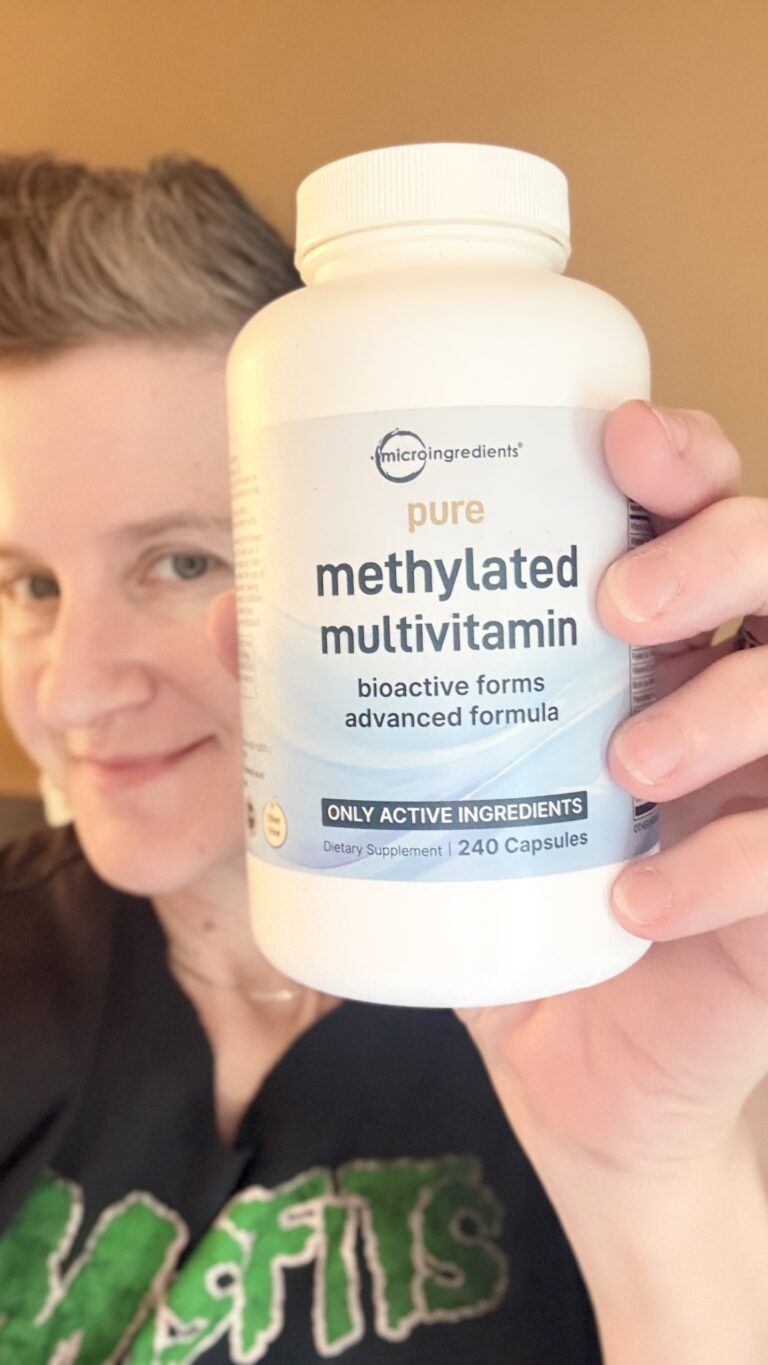
Magnesium glycinate at night supports the nervous system, improves sleep quality, and helps with the muscle tension that chronic cortisol elevation creates. It won’t solve the problem alone but it supports the other changes you’re making.
The BBC Science Focus piece on cortisol belly and the stress-fat connection goes deeper into the research if you want to understand the mechanism more completely.
Frequently Asked Questions About Cortisol Belly Fat
How do I know if my belly fat is from cortisol?
The clearest signal is that your belly grows or stays stubborn during sustained periods of stress even when your eating and exercise haven’t changed. Cortisol-driven fat tends to accumulate centrally while arms and legs stay relatively lean. Other signs include persistent fatigue, sugar and carb cravings that feel hard to control, disrupted sleep, and a general sense of being wired but tired.
Does cortisol belly fat go away when stress is reduced?
It can, but it takes time and consistent stress reduction combined with the right nutritional support. Visceral fat responds to hormonal improvement but doesn’t disappear overnight. Most research suggests meaningful changes in visceral fat take several months of sustained cortisol reduction alongside adequate sleep, protein, and appropriate movement.
Do men get cortisol belly fat too?
Yes. The mechanism is the same. Men tend to accumulate cortisol-driven fat in the upper abdomen and trunk. Declining testosterone as men age reduces the same hormonal protection that declining estrogen removes in women, making men over 50 increasingly susceptible to cortisol’s effects on body composition.
What foods make cortisol belly fat worse?
High-sugar foods, refined carbohydrates, alcohol, and ultra-processed foods all worsen the cortisol-insulin cycle. Sugar in particular causes blood glucose spikes that trigger insulin, which compounds the fat-storage signal that cortisol is already sending. That doesn’t mean never eating them. It means understanding that during high-stress periods, those foods amplify what cortisol is already doing.
Is cortisol belly fat the same as menopause belly?
They overlap significantly. Menopause removes estrogen’s buffering effect on cortisol, which makes cortisol-driven belly fat accumulation more likely and more pronounced. Many women in menopause are dealing with both the direct effects of estrogen loss on fat distribution and the amplified cortisol response that comes with it. Addressing both matters more than focusing on just one.
Have you noticed belly fat getting harder to shift during stressful stretches, even when your eating hasn’t changed?
Disclosure: GutBeautyBody content is written from personal experience and research. We are not medical professionals. All factual health claims are sourced from peer-reviewed research and reputable health organizations. Read our full Medical Disclosure here.