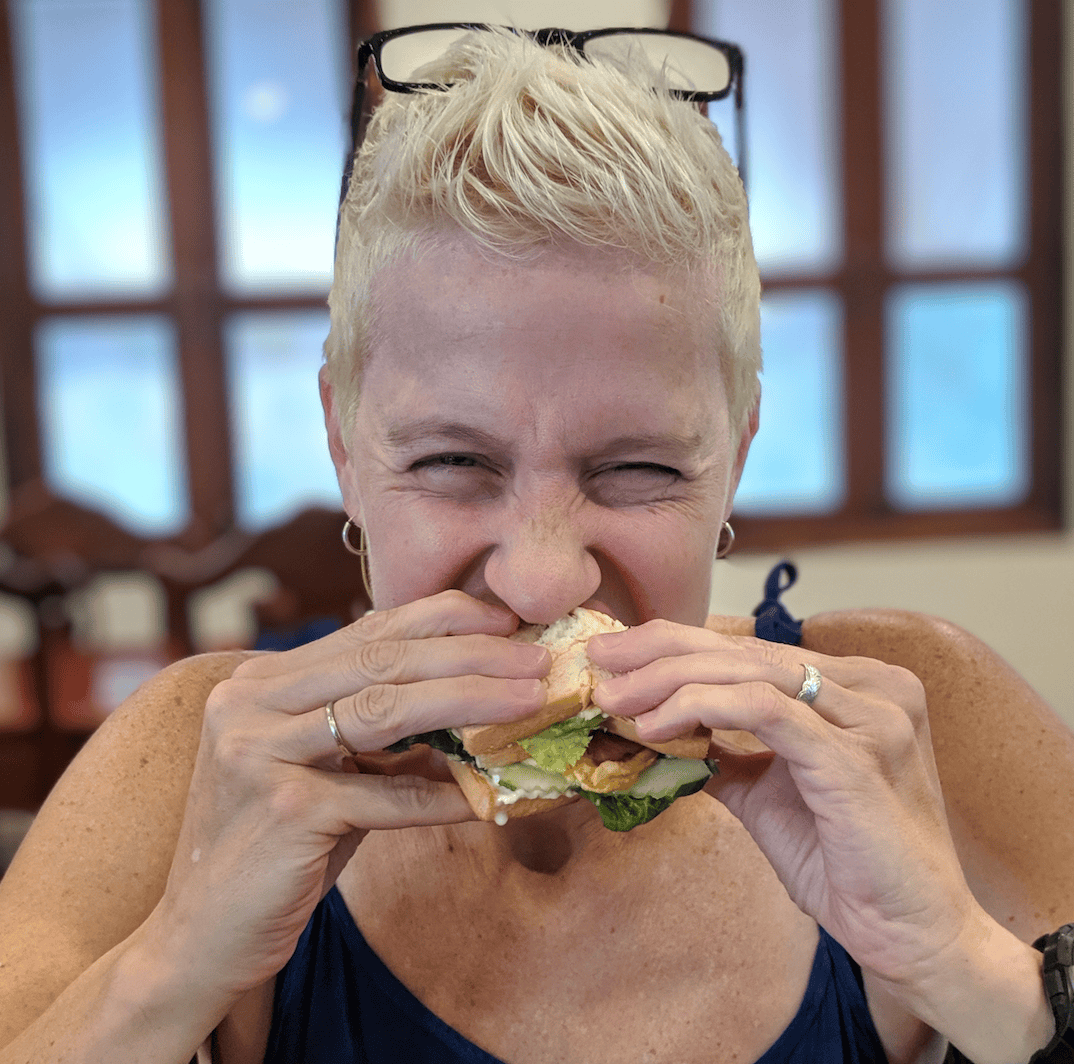
Emotional eating never seems to stop, no matter your age. It doesn’t go away just because you know better. If anything, it can get worse if you don’t focus on addressing the root causes.
For me, my emotional eating goes back to where it started: a childhood where food was how we handled everything.
I grew up in a house where food was a celebration. Food was comfort. Food was love, and it was also the reward, the coping mechanism, and the thing you turned to when something went wrong.
You had seconds at dinner because you didn’t want to waste food, and your parents told you that money doesn’t grow on trees. You had dessert every night because that was normal, but first, you had to clear your dinner plate. You ate when you were happy, you ate when you were sad, and you ate when nothing in particular was happening because food was just always there and always the answer.
That’s not unique to my family. That’s a lot of families. But the pattern gets wired in early, and it doesn’t unwire just because you turn 50 and understand intellectually what’s happening.
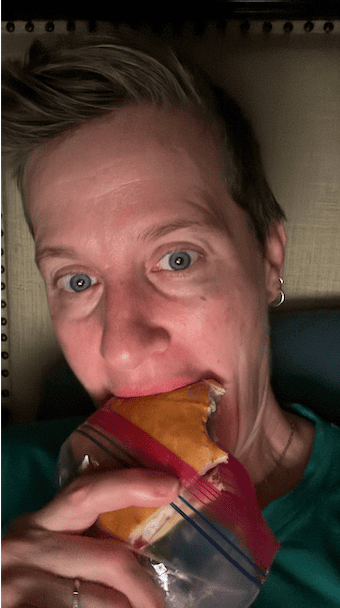
What Is Emotional Eating and Why Is It So Hard to Stop?
Emotional eating is using food to manage feelings rather than physical hunger. It’s a learned response. Research confirms that food activates the brain’s reward pathways by releasing dopamine, creating a real biochemical response that reinforces the behavior over time. The more often food is used to manage emotions, the more deeply the association between feeling and eating gets embedded. Stopping isn’t a matter of deciding to stop. It requires recognizing the trigger, interrupting the automatic response, and replacing it with something else, which is significantly harder than it sounds when the pattern has been in place since childhood.
Women are more likely to engage in emotional eating than men, though men do it too. Research shows women are more prone to using food to cope with negative emotions including stress, sadness, boredom, and anxiety.
Men tend toward different coping patterns, though the emotional eating response exists across genders. What changes after 50 is the hormonal context. Dropping estrogen and progesterone affect mood regulation, stress response, and cravings in ways that can amplify already-existing emotional eating patterns.
If cortisol is also elevated, and it often is during high-stress periods, the cravings for high-sugar and high-fat food intensify further. We’ve written about how cortisol, belly fat, and the stress-eating cycle interact, which is a different angle on the same problem.

How Food Was Framed for Me From the Beginning
My relationship with food was established before I had the awareness or vocabulary to question it. Food was how my family expressed joy, grief, reward, and normalcy. There was always enough. Seconds were expected to show my mom how much we enjoyed her cooking. Dessert was nightly. Food was never just fuel; it was always meaning.
I didn’t eat that way because I was broken. I ate that way because that’s what I was taught about food. And when you’re taught something for the first eighteen years of your life, it doesn’t stop feeling true just because you eventually learn differently.
The pull toward food when I’m stressed, bored, celebrating, sad, or tired is still there. It’s quieter now than it used to be, and I recognize it faster. But it doesn’t disappear.
What Gastric Bypass Changed and What It Didn’t
In 2006 I had Roux-en-Y gastric bypass surgery at 310 pounds. It changed my physical capacity to eat dramatically. The surgery restructures your stomach so you simply can’t consume the volume you once could, and for a period of time the restriction is significant enough that overeating is physically impossible or acutely uncomfortable.
What it didn’t change is the relationship with food.
You don’t stop focusing on food after bariatric surgery. Studies show that emotional eating is actually the most frequent eating pattern that persists and sometimes intensifies after bariatric surgery, and it’s one of the strongest predictors of weight regain over time. The surgery changes the container. It doesn’t change what food means to you or why you reach for it.
I knew that going in. I know it now. The surgery was one of the best decisions I made for my physical health. And twenty years later I’m still navigating the same relationship with food that existed before it.
How Menopause Made the Relationship With Food Harder
I had our 3rd Child 11 years after the surgery. And I was really worried that I’d gain a ton of weight like my first two pregnancies, but I managed to not only maintain my weight loss but have the healthiest of my 3 pregnancies at 44 years old. So I was gobsmacked when menopause added layers I wasn’t expecting.
The weight gain that didn’t respond to what had worked before. The cravings varied in intensity. The mood swings that made emotional eating more likely. And the metabolic shift meant the same food that had maintained my weight no longer did.
When food is already emotionally charged and your body suddenly stops responding to it the way it used to, the frustration is real. You’re eating the same way you did before and gaining weight. You’re trying harder and getting worse results. The emotional response to that frustration is often more eating.
That’s the cycle. Menopause creates weight gain. Weight gain is frustrating. Frustration triggers emotional eating. Emotional eating creates more weight gain. Understanding the cycle is the first step toward interrupting it, but it doesn’t break the cycle automatically.
What I’m Doing Now and What I’m Still Figuring Out
The most useful thing I’ve done is learn to recognize the difference between physical hunger and emotional hunger quickly. Physical hunger builds gradually, isn’t specific, and goes away when you eat something reasonable. Emotional hunger arrives fast, wants something specific, usually something high-sugar or high-fat, and isn’t satisfied by normal amounts of food because it isn’t actually about food.
I’m not always successful at catching it in time. But I’m faster at recognizing it than I used to be, and that’s real progress even if it isn’t a clean resolution.
Protein first at every meal helps. When protein is the foundation, blood sugar is more stable, cravings are lower, and physical hunger doesn’t spike in ways that make emotional eating more likely to sneak in.
Not drinking while eating. This one is really hard for me. You want your food to digest, and if you are pushing it through your stomach with liquids before all the acids have had a chance to do their job, you won’t get all the nutrients or properly digested food, which can lead to bloating and other issues.
Structure helps. Not rigidity, but a general sense of when meals happen and what they contain. Without structure, the unplanned eating, the mindless reaching, the response to boredom and restlessness fill the gaps.
Why I’m Seriously Considering a GLP-1
I was against GLP-1 medications for a long time. I’ve already had weight loss surgery two decades ago and it just seemed like another shortcut.
I also thought of them as something new and unknown. Dangerous medications that were trending and people were taking without any real understanding of what long-term side effects they’d have. All the unknowns weren’t worth it for me.
Then I started listening more carefully to the research rather than the narrative. GLP-1 medications, particularly tirzepatide which works on both GLP-1 and GIP receptors, do something interesting for emotional eating specifically. They reduce what’s referred to as food noise, the constant background mental chatter about food, what to eat, when to eat, what I shouldn’t have eaten, what I want. That noise is part of what makes emotional eating so hard to interrupt. When the noise is quieter, the space to make a different choice gets larger.
That’s not a magic fix for a childhood pattern. But it’s a tool I’m taking seriously for the first time, not because I want to skip the work, but because I’ve been doing the work for decades and the menopause weight gain isn’t moving the way it should.
The full breakdown of GLP-1 options, the difference between semaglutide and tirzepatide, compounded versus branded, and the insurance landscape, is its own post. You can read it at GLP-1 for weight loss.
What Helps When the Urge to Eat Emotionally Hits
The pause before acting. Not a long pause, but a moment of asking whether what I’m feeling is physical hunger or something else. That single question doesn’t always stop the eating, but it inserts awareness where automatic response used to be.
Having protein-forward food ready means that when I do reach for something, I’m not reaching for the most emotionally satisfying but nutritionally destructive option. The choice architecture of what’s available matters more than willpower.
Addressing the underlying emotion directly when I can. Not stuffing it with food and not performing wellness by refusing to acknowledge it. When I’m stressed, naming that I’m stressed and doing something about the stress rather than managing it with food. It doesn’t always work. But when it does, the urge settles faster than it would have if I’d just eaten and regretted it.
I’m a work in progress on this. That’s the most honest thing I can say. Twenty years after surgery and decades of understanding the pattern, I’m still figuring it out. I suspect that’s true for most people who grew up the way I did.
Frequently Asked Questions About Emotional Eating After 50
What causes emotional eating after 50?
Emotional eating after 50 is usually driven by a combination of long-established patterns from childhood or earlier life, hormonal shifts that affect mood regulation and cravings during perimenopause and menopause, elevated cortisol from chronic stress, and the frustration of a body that’s responding differently to food than it used to. The hormonal piece specifically, declining estrogen affecting dopamine regulation and stress response, can intensify patterns that were already present.
Does menopause make emotional eating worse?
Research and experience both suggest it can. Declining estrogen affects mood regulation, increases cortisol reactivity, and shifts the way the brain processes food reward. Cravings for high-sugar and high-fat foods tend to increase. The frustration of menopause weight gain that doesn’t respond to previous strategies can itself become an emotional trigger. Women who had existing emotional eating patterns before menopause often find those patterns become louder during the transition.
Does bariatric surgery fix emotional eating?
No. Bariatric surgery changes the physical capacity to eat but doesn’t address the psychological relationship with food. Research consistently shows that emotional eating is the most common eating pattern that persists after bariatric surgery and is one of the stronger predictors of weight regain over time. Addressing the emotional relationship with food is a separate process that surgery doesn’t shortcut.
How do you tell the difference between emotional hunger and physical hunger?
Physical hunger builds gradually, can be satisfied by a variety of foods, and resolves after eating a reasonable amount. Emotional hunger arrives suddenly, tends to crave specific comfort foods, isn’t satisfied when physically full, and often includes feelings of guilt or regret after eating. The distinction isn’t always clean, but the speed of onset and the specificity of the craving are usually the clearest signals.
Can GLP-1 medications help with emotional eating?
Early research and clinical reports suggest GLP-1 medications may reduce food noise, the constant mental preoccupation with food that drives emotional and compulsive eating. This isn’t a psychological treatment for emotional eating patterns, but reducing the background noise around food may create more space for conscious choice-making. This is one of the reasons these medications are being explored beyond their original diabetes and weight loss indications.
Was food ever used as a comfort, reward, or coping tool in your house growing up, and do you still feel that pull today?
If emotional eating is significantly affecting your quality of life, working with a therapist or registered dietitian who specializes in eating behaviors can provide meaningful support.
Disclosure: GutBeautyBody content is written from personal experience and research. We are not medical professionals. All factual health claims are sourced from peer-reviewed research and reputable health organizations. Read our full Medical Disclosure here.
Disclosure: This post contains affiliate links. If you purchase through our links we may earn a small commission at no extra cost to you. We only recommend products Wendy personally uses and believes in. Read our full Affiliate Disclosure here.