Anxiety symptoms in women don’t always look like panic attacks. Sometimes they look like your personality. Here’s how I figured out I’d been living with anxiety for most of my life without knowing what to call it.
I grew up in a generation that didn’t talk about this. Gen X. We sucked it up. We pushed through. If you were anxious, you were called sensitive, or high-strung, or too much. Nobody sat you down and said that the way you’re experiencing the world has a name and it’s not a character flaw.
I didn’t find out until a conversation with my adult daughter last year, when we discussed her Anxiety.
Disclosure: This post contains affiliate links. If you purchase through our links we may earn a small commission at no extra cost to you. We only recommend products Wendy personally uses and believes in. Read our full Affiliate Disclosure here.
What Do Anxiety Symptoms Actually Look Like in Women?
Anxiety symptoms in women don’t follow one script. They can show up as constant worry, as physical tension that never fully releases, as sleep disruption, as digestive problems, as an inability to stop cycling through the same thoughts.
Women are nearly twice as likely as men to experience an anxiety disorder, and research suggests that women with anxiety often internalize it, meaning it shows up as worry, rumination, and self-criticism rather than the more outwardly visible agitation that tends to characterize anxiety in men.
Many women function extremely well externally while living with a significant internal load they’ve simply normalized. The internal load feels like who they are rather than something that’s happening to them.
For men, anxiety often presents more physically. Heart pounding, intense physical agitation, panic that escalates fast and dramatically. Shawn’s version of this is nothing like mine. But both are anxiety. The mechanism is the same even when the expression is completely different.
If disrupted sleep is part of your picture, our sleep pillar post covers how anxiety and sleep feed each other in ways that can feel impossible to break without understanding both.
Why Gen X Grew Up With No Language for Any of This
I’m 52. Shawn is 56. We grew up in a time when mental health wasn’t a conversation that happened in households, schools, or doctors’ offices in any meaningful way. Depression and anxiety weren’t things you talked about. If you felt them, you assumed everyone felt them, or that something was wrong with you specifically, rather than that you were experiencing something with a name and a treatment. Our baby boomer parents had no natural instinct to find out what was going on with us. They just believed it was a phase or part of our personality.
The phrase “suck it up” wasn’t just something adults said. It was a framework. Feelings were private at best and weakness at worst. You managed, you adapted, you kept going. That’s what everyone around you was doing, or at least what they appeared to be doing.
What we know now is that anxiety symptoms often begin in childhood or adolescence. The World Health Organization identifies anxiety disorders as the most common mental health condition in the world, affecting 359 million people as of 2021. Most go undiagnosed for years. For Gen X, many went undiagnosed for decades, because the tools to recognize them simply weren’t in the environment we grew up in.
Understanding this isn’t about blame. It’s about context. The way I processed and carried what I was experiencing made complete sense given what I had available to me at the time. Knowing differently now changes what I can do about it.
The Conversation With My Daughter That Changed How I Understood Myself
A few years ago, my daughter Alex got on beta blockers for anxiety. She’d been through something traumatic about 7 years prior that triggered severe anxiety, and she found that beta blockers helped her manage it in a way nothing else had. We talked about it previously, but for some reason, something clicked in this convo. We talked about how anxiety had changed her breathing, her heart rate, and how she physically felt in her body when it was happening.
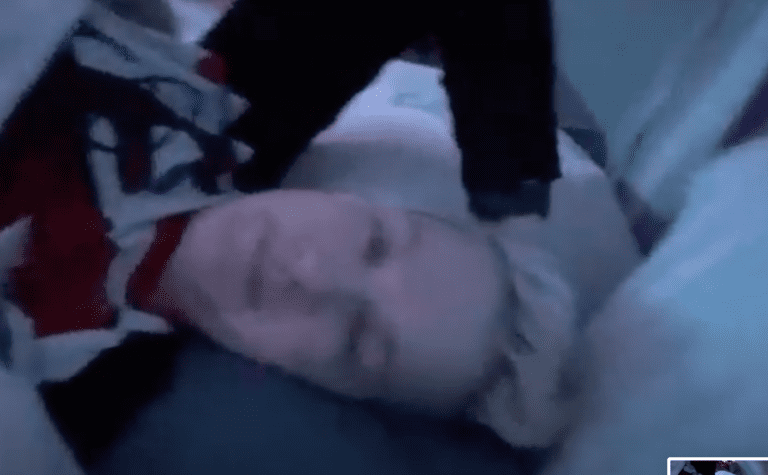
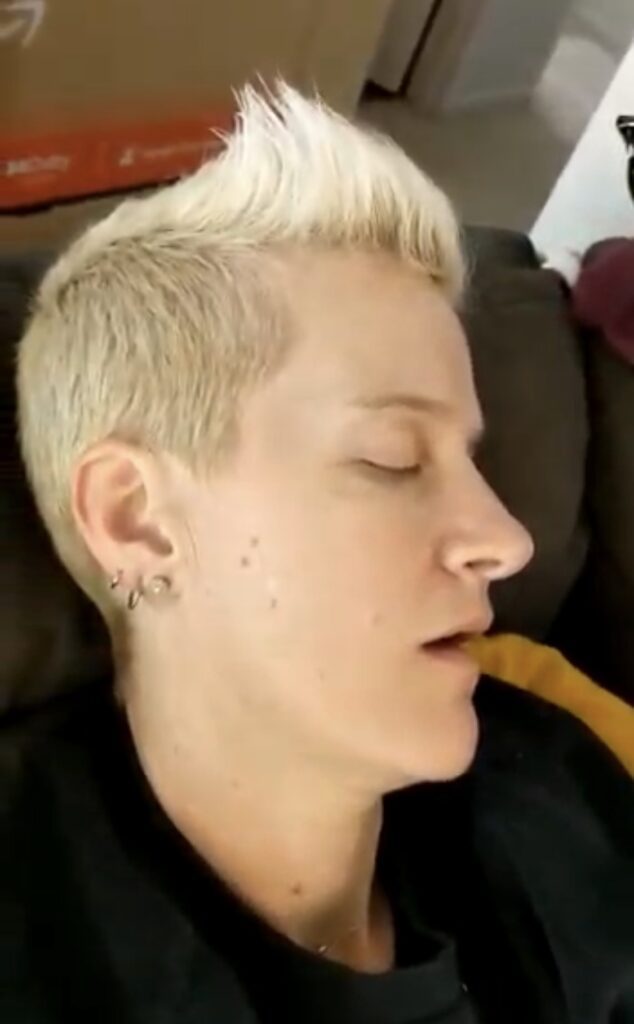
I mentioned to her that I sometimes do breathing exercises because I’ve had episodes where my breathing slows or stops completely during sleep, and even when I’m awake. I was diagnosed with Central Sleep Apnea about 20 years ago, but no one mentioned Anxiety as a potential cause.
Shawn has noticed it. He’d describe it to me the next morning, that sound, like a helium balloon slowly releasing air. I’d always connected it to something physical. Stress, maybe, or just how I sleep.
Alex asked me if I thought it could be anxiety.
My immediate answer was no. Why would it be anxiety? I’m not anxious. I’m just me.
She said that her breathing changes too when she’s anxious. Her heart rate changes. Everything in her body responds. And she asked me what I was usually carrying when those episodes happened.
I started thinking about the patterns. When Shawn noticed the breathing episodes, what was going on in my life? Almost always something I was carrying for a long time. A season of sustained stress. A period when I didn’t have continuity or stability. When my crazy and unpredictable childhood fight-or-flight response kicked in, and I was struggling and managing it alone in my head and my body, holding it the way I’d always held things, quietly and internally.
I was just being me, or so I thought.
The breath-holding I’d lived with most of my life wasn’t a sleep quirk. It was my body’s physical response to anxiety I hadn’t named.
What It Looked Like in My Body Before I Had a Name for It
I’m ADHD and what some people call neurospicy. I notice everything. The weight of utensils matters to me. I can hyperfocus completely on one thing while also having a brain that weaves fifteen connected thoughts back to an original point that started somewhere entirely different. That’s just always been how I work.
What I understand now is that the constant noticing, the hyperawareness, the reading of every room and every person in it, that’s not just personality. That’s a nervous system running at high alert. And a nervous system running at high alert produces anxiety even when the word anxiety never enters your vocabulary.
There were seasons where the anxiety was essentially constant. When one of our sons was going through something really difficult, I was anxious all the time. Every day. A sustained hum of worry and vigilance and carrying that never turned off. I didn’t call it anxiety then. I called it being a mom who was paying attention. But my body was living in a stress response that never fully resolved, and the sleep episodes were happening constantly during those periods.
Travel days trigger it too. The logistics, the responsibility for the family, the things that can go wrong. Travel days are when I notice it most clearly now that I know what I’m looking for.
The ADHD Connection, and Why It Matters
If you’re ADHD, there’s a significant chance you also have anxiety. Research published in Frontiers in Psychiatry found that up to 50% of adults with ADHD have at least one comorbid anxiety disorder. The two conditions share overlapping neurological pathways. ADHD creates patterns of dysregulation, difficulty with transitions, sensitivity to overwhelm, and a nervous system that’s easily activated. That same nervous system is primed to produce anxiety.
For women in particular, ADHD often goes undiagnosed because it tends to present differently than in men, more internalizing, more masked, more managed through people-pleasing and hypervigilance than through the external hyperactivity that gets noticed and diagnosed in boys. Women spend years, sometimes decades, developing coping strategies for a condition they don’t know they have. Those coping strategies are exhausting. The exhaustion itself can look like depression, or low energy, or burnout, none of which are the actual diagnosis.
The Frontiers in Psychiatry review on ADHD and anxiety comorbidity covers this connection in depth if you want the clinical picture. And if any of this is resonating, that’s worth paying attention to.
What Shawn’s Version Looks Like, Which Is Completely Different
Shawn doesn’t hold things quietly. His anxiety is infrequent but dramatic when it arrives.
It comes on physically. Heart pounding, chest tight, the full alarm-state experience. He works himself into such a high state of agitation that his body produces what feels exactly like a cardiac event. In 2016, we were in Chiang Mai, Thailand. He had a panic attack so severe he lost consciousness. We took him by ambulance to the hospital. They ran every cardiac test available. EKGs, bloodwork, everything. The diagnosis was a panic attack.
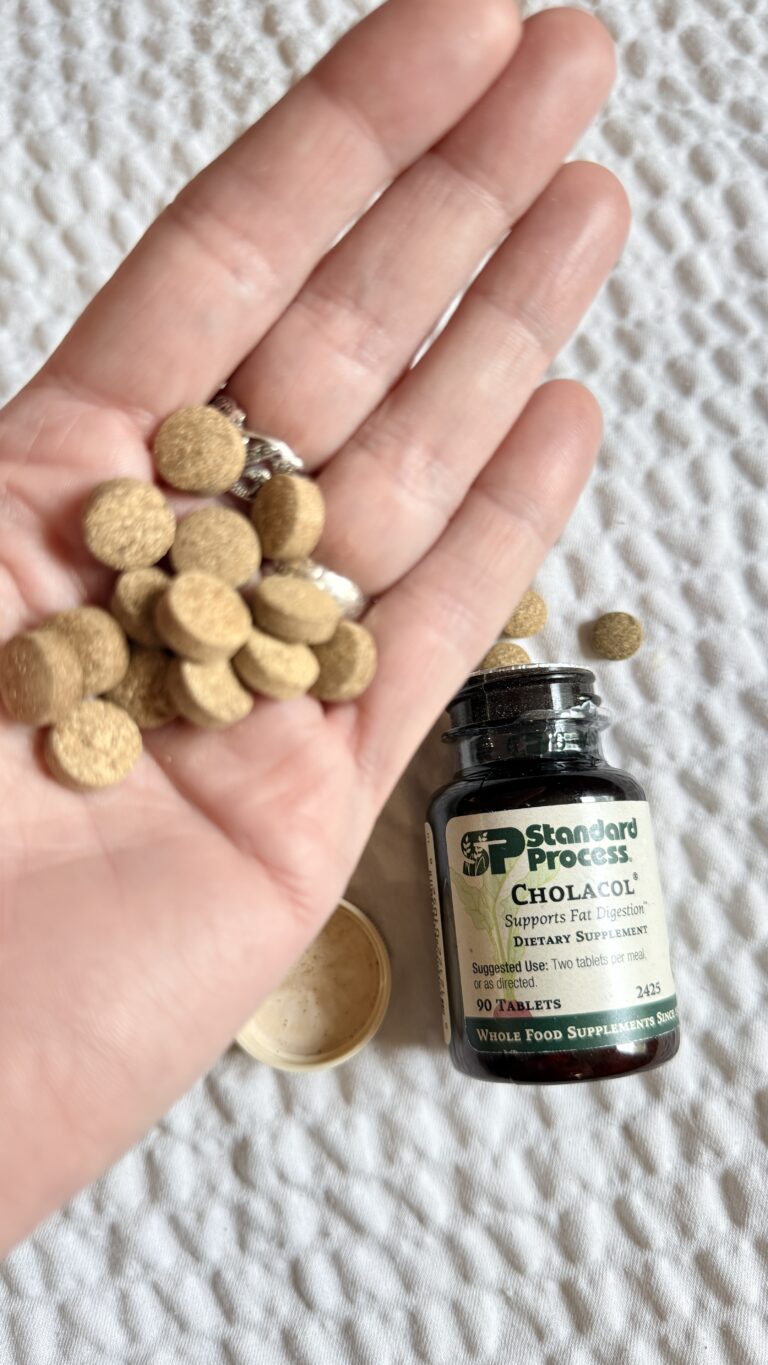
Since then, we have recognized them. He knows what they are. I know what they are. When I see him heading in that direction, I give him two Force Factor Ultimate Heart Health beet chews. They support cardiovascular function and blood flow, and within twenty minutes, the intensity drops to something manageable. He won’t take beta blockers. He won’t take anything pharmaceutical. The beet chews are what he’ll do, and they work for him.
I use the same beet chews. When I notice I’ve been holding my breath, when I’m in a travel-day anxiety spiral or a sustained stress period, two chews and intentional focused breathing bring me back. Not instantly. But within twenty minutes I’m not in the same place I was.
Alex tried to give me beta blockers when she first figured out they helped her. They didn’t work for me the way they work for her. Not all anxiety is the same, and not all interventions work the same way for everyone. That’s worth knowing before you try something because it worked for someone else.
What I Do Now That I Know What I’m Dealing With
The biggest change isn’t a supplement or a technique. It’s recognition. Now that I know what anxiety looks and feels like in my specific body, I catch it faster. I don’t spend days in an elevated state before I realize what’s happening. I notice the breath-holding sooner. I recognize the hypervigilance pattern when it starts. I know which situations are likely to trigger it and I can build in more margin around them.
Focused breathing several times a day keeps my baseline lower. Not a formal practice with a timer. Just intentional breathing, full exhale, a few times throughout the day, particularly during transitions or before anything that tends to activate me.
The beet chews when I need them. Consistent sleep. Consistency in general. Part of why I’m looking forward to settling in Washington is that continuity itself is regulatory. A body that knows what to expect runs calmer than one that’s constantly adapting to new environments, new logistics, and new unknowns. I’ve been in an adaptation mode for a long time. Stability is part of the treatment.
If any of what I’ve described resonates, it’s worth talking to someone who can help you understand what you’re actually working with. The WHO’s overview on anxiety disorders is a solid starting point for understanding the landscape before you do.
And if energy and sleep are part of your pattern, they almost always are when anxiety’s involved, there’s more on both at why energy crashes and menopause and insomnia.
Frequently Asked Questions About Anxiety Symptoms in Women
How do I know if I have anxiety or just stress?
Stress is a response to an external situation that resolves when the situation does. Anxiety persists beyond the trigger, often without a clear external cause at all. If you find yourself worried or on edge even when nothing specific is wrong, if you’re physically tense most of the time, if your sleep is disrupted by a mind that won’t settle, if you’ve been managing a constant internal hum for as long as you can remember, that pattern is closer to anxiety than to situational stress.
Can you have anxiety without knowing it?
Yes, and it’s extremely common, especially in women who grew up in environments where anxiety wasn’t named or discussed. When you’ve lived with a nervous system pattern your entire life, it feels like your baseline rather than a condition. The hypervigilance feels like being attentive. The rumination feels like being thorough. The inability to fully relax feels like being responsible. It can take a significant outside perspective, a therapist, a doctor, or in my case a daughter, to hold up a mirror and name what’s actually happening.
What are physical symptoms of anxiety in women?
Physical symptoms can include altered breathing, breath-holding, or shallow breathing. Heart pounding or racing. Muscle tension that doesn’t release. Digestive disruption including nausea, cramping, or IBS-type symptoms. Headaches. Fatigue that doesn’t respond to sleep. Sleep disruption, either difficulty falling asleep or waking with an inability to settle. These physical symptoms are real and can persist even when a woman doesn’t identify as anxious because they’ve become so normalized over time.
Is anxiety connected to ADHD?
Significantly. Research suggests up to 50% of adults with ADHD have a comorbid anxiety disorder. The two conditions share neurological pathways and reinforce each other. ADHD creates a nervous system that’s easily activated and difficult to regulate, and that dysregulation produces anxiety. Women with ADHD are particularly likely to have unrecognized anxiety because both conditions tend to be internalized and masked rather than expressed externally in ways that get noticed and diagnosed.
What helps with anxiety that isn’t medication?
Recognition comes first. You can’t manage something you haven’t named. Beyond that, intentional breathing throughout the day, not just when you’re already activated, consistently reduces baseline anxiety over time. Sleep quality has a direct impact on anxiety levels. Physical movement, particularly walking, reduces cortisol and supports nervous system regulation. Reducing environmental unpredictability, building consistency and routine where you can, and limiting exposure to inputs that elevate your baseline are all meaningful. Supplements like magnesium glycinate support nervous system function and sleep. What works is individual. What doesn’t work is trying to push through it without any strategy at all.
Did you grow up thinking the way you felt was just your personality, and has anything since shifted how you understand yourself?
This post is for informational purposes only and is not a substitute for professional medical advice or mental health treatment. If you think you may be experiencing anxiety, speaking with a healthcare provider or mental health professional is the right first step. If you’re in crisis or need immediate support, NAMI’s helpline is available at 1-800-950-6264 or you can text HOME to 741741.
Disclosure: GutBeautyBody content is written from personal experience and research. We are not medical professionals. All factual health claims are sourced from peer-reviewed research and reputable health organizations. Read our full Medical Disclosure here.
Disclosure: This post contains affiliate links. If you purchase through our links we may earn a small commission at no extra cost to you. We only recommend products Wendy personally uses and believes in. Read our full Affiliate Disclosure here.