Disclosure: This post contains affiliate links. If you purchase through our links we may earn a small commission at no extra cost to you. We only recommend products Wendy personally uses and believes in. Read our full Affiliate Disclosure here.
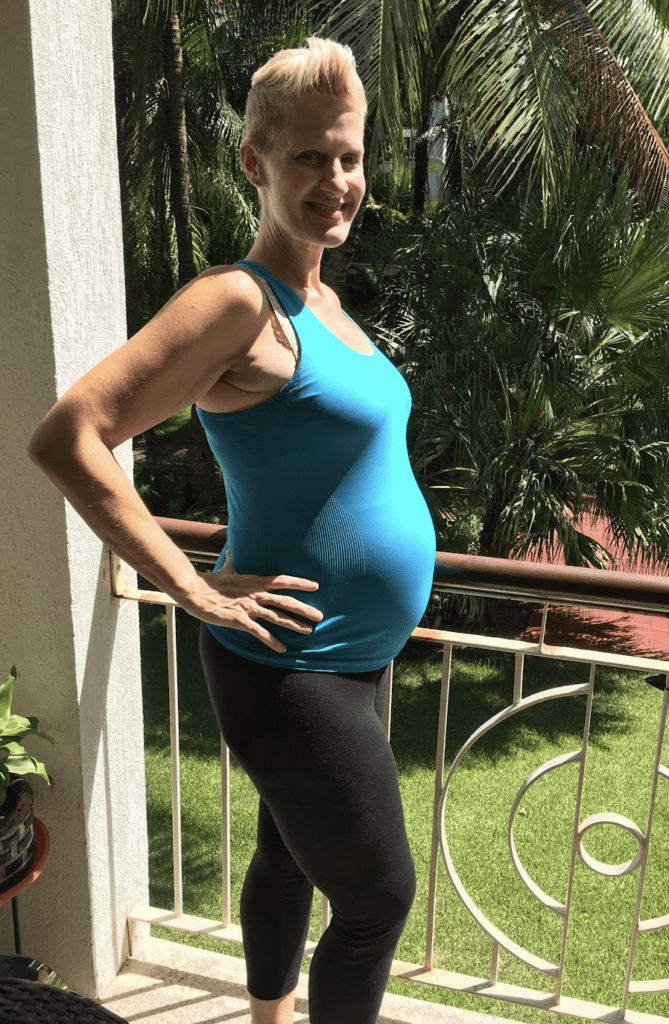
I had our youngest child, Sebastian, at 44 in 2017.
I nursed him for exactly two years, and I believed, naively, that it bought me time. I thought my system was different, that perimenopause was something I might not deal with until well into my fifties because I was able to have a super healthy pregnancy later in life.
I was wrong.
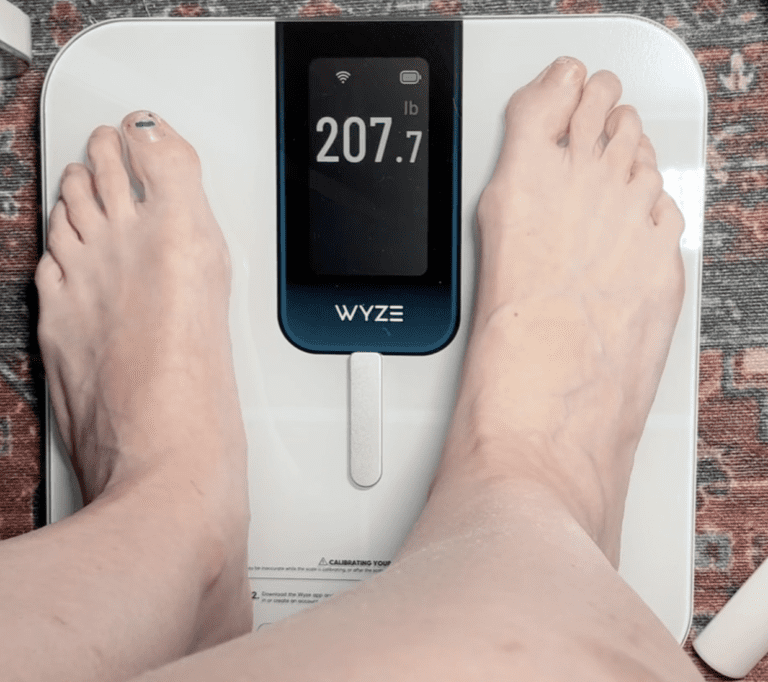
Just one year after I stopped nursing, at 47, I went into perimenopause and gained 40 pounds in six months.
Why Can’t I Lose This Weight No Matter What I Try?
Menopause weight gain is rarely about effort. Declining estrogen lowers muscle mass and slows resting metabolism, while insulin sensitivity often drops at the same time, so the same eating and activity that used to maintain your weight may no longer be enough to manage it.
What’s Actually Happening to Metabolism in Perimenopause
Research is fairly clear on what changes during this transition.
Estrogen decline shifts fat storage toward the abdomen and reduces the amount of muscle your body holds onto, and less muscle means fewer calories burned at rest, even on days you do nothing differently than before.
That shift toward the midsection is not random. Lower estrogen specifically redirects where the body stores fat, moving it away from hips and thighs and into the abdomen, which is part of why so many women notice the change there first, regardless of where they carried weight earlier in life.
Insulin sensitivity changes too, which means the same food can be processed differently than it was a few years earlier.
None of this is about willpower. It is biology moving the goalposts without telling you first.
How It Started for Me
I didn’t change how I was eating.
We were walking all over the world with a toddler at the time, often two to ten miles a day between cities, markets, and wherever Sebastian wanted to explore next.
I was about as active as I have ever been in my life, and the weight still came on fast and did not move.
It showed up mostly in my midsection and hips, around the same time sleep got harder, and I started paying closer attention to my daily protein intake.
I was a wreck trying to make sense of it, because nothing about my routine matched what was happening to my body.

What I’ve Tried for Menopause Weight Gain
I have tried almost everything at this point.
Every diet. Keto. Whole foods. Weight Watchers. Calorie counting. The Zone diet.
The most I ever lost on any of them was 8 pounds, and it came back the moment I eased up even slightly.
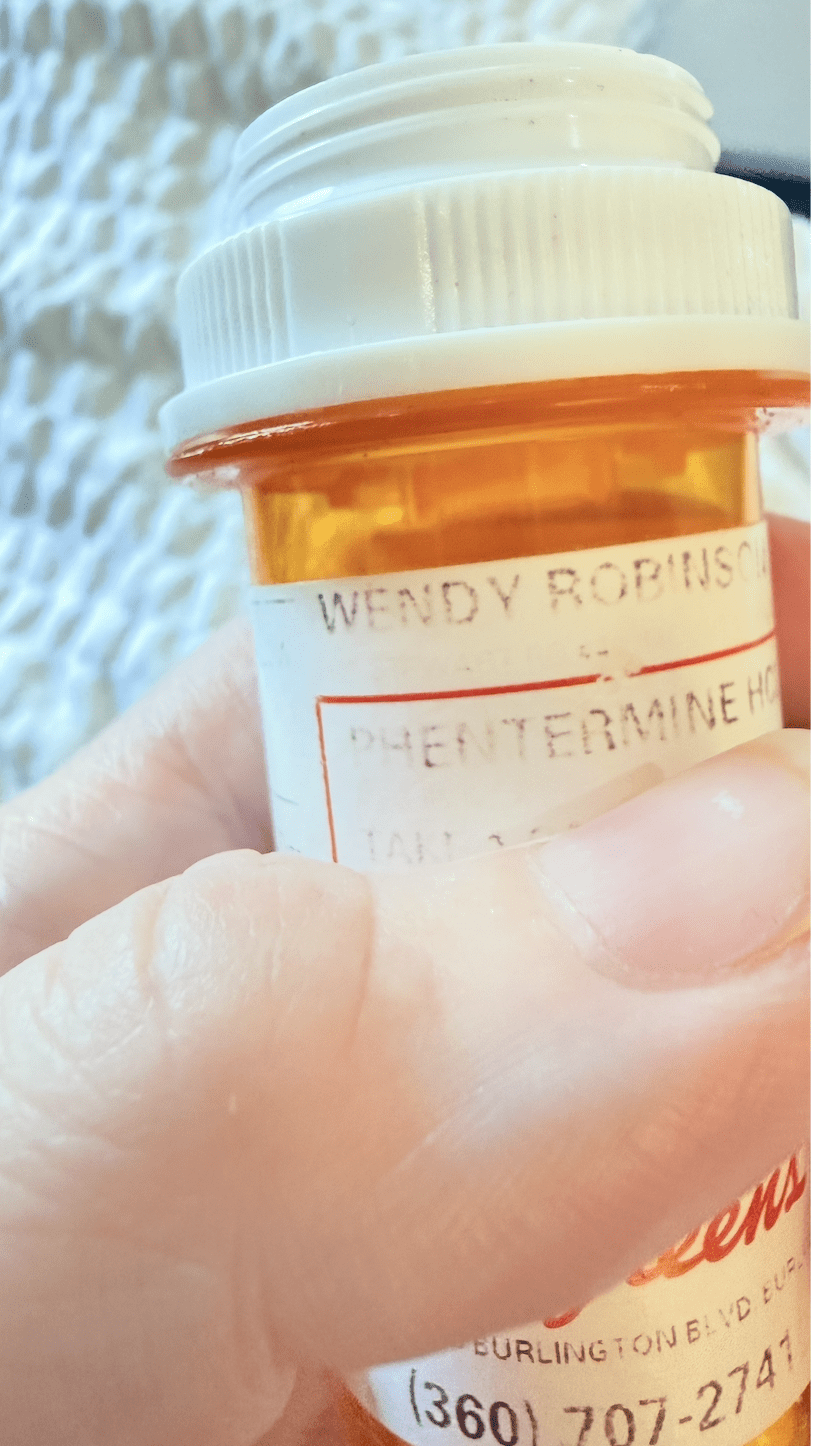
My doctor prescribed estrogen and progesterone. When that had zero affect on my weight, she then prescribed Phentermine.
Nothing moved the needle for me.
Walking. Exercise. Yoga. Nada
Why None of It Fixed the Scale
This was the part that took me the longest to understand, and research helped explain what my own experience could not.
Hormone therapy can support weight loss in some women, and certain studies have shown real improvements in fat loss and waist to hip ratio with it. But the research is also clear that results vary widely from person to person, and for some women, hormone therapy alone does not meaningfully change the scale.
Phentermine works differently for different people too. Studies on how people respond to it show wide individual variation, and tolerance can build within the first few months for some, which blunts the effect long before six months are up.
I’m not doing anything wrong. I’m just one of the people for whom these treatments do not fully work on their own.

What’s Next
I am still dealing with this.
Right now, I’m leaning toward looking into GLP-1 medications. Research specific to menopausal women has found that they can be as effective for this age group as for younger women, including meaningful reductions in waist-to-height ratio, which matters more than the number on the scale for measuring the kind of midsection weight gain I have dealt with. There is also early evidence that combining them with hormone therapy may work even better than either one alone.
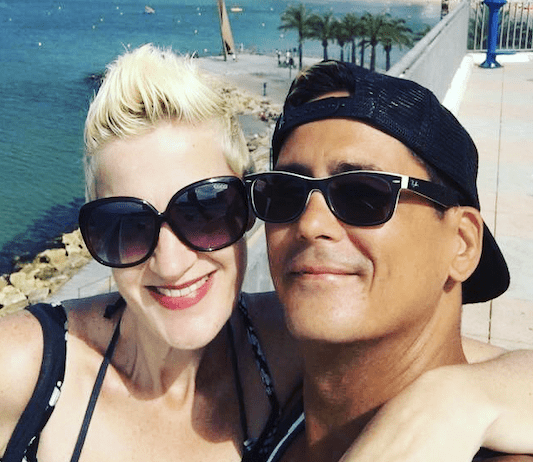
Shawn is in this with me. He is currently about 10 pounds overweight himself, dealing with his own version of the same hormonal shift men go through at this age.
We are figuring out the right combination together, the same way we have figured out everything else for the last ten years.
What This Comes Down To
Menopausal weight gain is a metabolic shift driven by estrogen decline, muscle loss, and changes in insulin sensitivity, and it can resist diets and even some medications that work well for others. For me, that has meant trying multiple approaches, including HRT and Phentermine, with limited results so far, and looking seriously at GLP-1 medications next.
Frequently Asked Questions
Why does menopause cause weight gain even without eating more?
Declining estrogen reduces muscle mass and slows resting metabolism, and insulin sensitivity often drops at the same time. That combination means the body burns fewer calories at rest and processes food differently, even when activity and eating stay the same.
Does hormone replacement therapy help with menopause weight gain?
Research is mixed. Some studies show meaningful fat loss and improved waist to hip ratio with hormone therapy, while other research finds no significant effect on weight for many women. Results depend heavily on the individual.
Why didn’t Phentermine work for menopause weight gain?
Phentermine has documented high variability in how individuals respond, and tolerance can develop within the first few months of use for some people, which reduces its effectiveness well before longer-term use would normally be evaluated.
Are GLP-1 medications effective for menopausal women?
Research specific to menopausal and postmenopausal women has found GLP-1 medications like tirzepatide produce weight loss results comparable to younger women, and some studies suggest combining them with hormone therapy may improve outcomes further.
Is it normal to gain weight in perimenopause despite staying active?
Yes. Hormonal shifts during perimenopause can cause weight gain independent of activity level. Many women who maintain or increase their activity still experience weight changes driven by metabolic shifts rather than lifestyle factors.
Disclosure: GutBeautyBody content is written from personal experience and research. We are not medical professionals. All factual health claims are sourced from peer-reviewed research and reputable health organizations. Read our full Medical Disclosure here.
Disclosure: This post contains affiliate links. If you purchase through our links we may earn a small commission at no extra cost to you. We only recommend products Wendy personally uses and believes in. Read our full Affiliate Disclosure here.