
Your jeans fit fine at 8 AM.
By 4 PM, you feel like they are suffocating you and can’t wait until you can unbutton them and breathe again comfortably.
Not because you ate too much. Not because you did anything different. Your body just decided to expand, and you have no idea why.
Then there’s the afternoon wall. That heaviness that rolls in around 2 or 3, the kind that makes you wonder if you slept at all last night, even though your smartwatch says you got seven solid hours.
Your skin is doing something new. Your brain feels slower than it used to. Your mood shifts without warning.
And everywhere you look, someone is telling you this is just what happens after 50.
It is not.
These are signs of poor gut health after 50, and most of them are hiding behind symptoms that look like completely separate problems.
The “Normal Aging” Trap
After 50, microbiome diversity naturally declines, digestive enzyme production slows, and gut motility decreases. These shifts reduce nutrient absorption and increase systemic inflammation, producing symptoms like fatigue, bloating, brain fog, skin changes, and mood disruption that are commonly dismissed as normal aging but are often signs of compromised gut health.
That paragraph right there is the part your doctor probably never explains.
Instead, you go in because you are tired all the time. Or the bloating has gotten worse. Or your skin is breaking out in ways it has not since you were a teenager.
They run standard bloodwork.
Everything comes back “within range.”
And you are sent home with the unspoken message that this is just your life now.
Except it doesn’t have to be.
When multiple things start going sideways at the same time, that’s not a coincidence. It’s a pattern. And more often than not, the pattern leads back to your gut.
The Symptoms Hiding in Plain Sight
The most common signs of poor gut health after 50 don’t announce themselves as gut problems. That’s exactly why they get missed.
Digestion and Energy
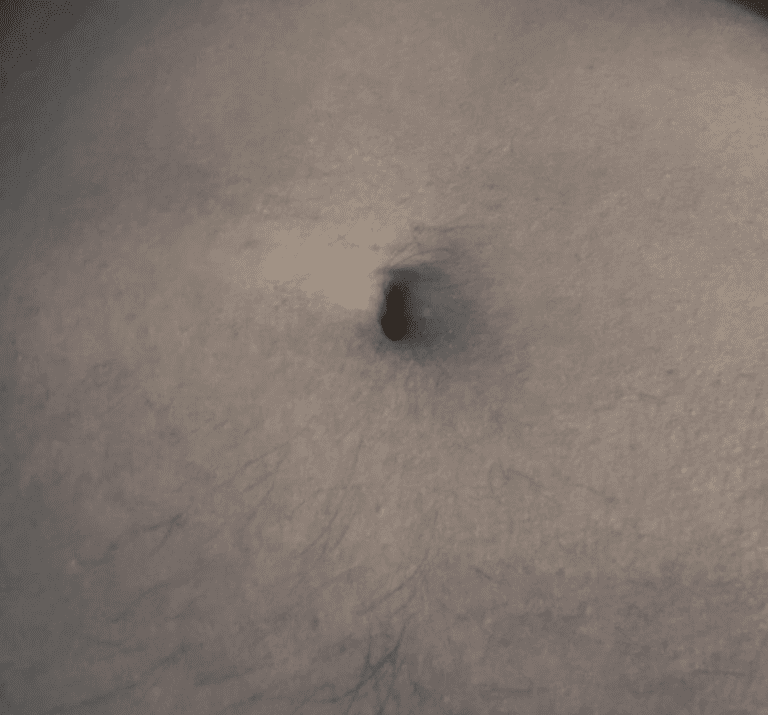
Bloating is one of the first symptoms that shows up. Not the occasional fullness after a big meal. The kind where your stomach is flat in the morning and distended by mid-afternoon, every single day, for no obvious reason. An imbalanced microbiome ferments food less efficiently, producing excess gas, and your body lets you know.
Then there’s the fatigue. Not the tired you feel after a bad night. The deep, heavy, bone-level exhaustion that does not improve, no matter how much sleep you get. When your gut isn’t absorbing nutrients properly, your body runs on fumes even if your diet looks fine on paper. You are eating the right things. Your body just is not accessing them.
Irregular digestion belongs here, too. Constipation, loose stools, patterns that shift without explanation. Healthy digestion should be consistent and predictable. When it stops being either of those, something has changed in the microbiome or in gut motility, and ignoring it won’t resolve it on its own.
Skin and Brain
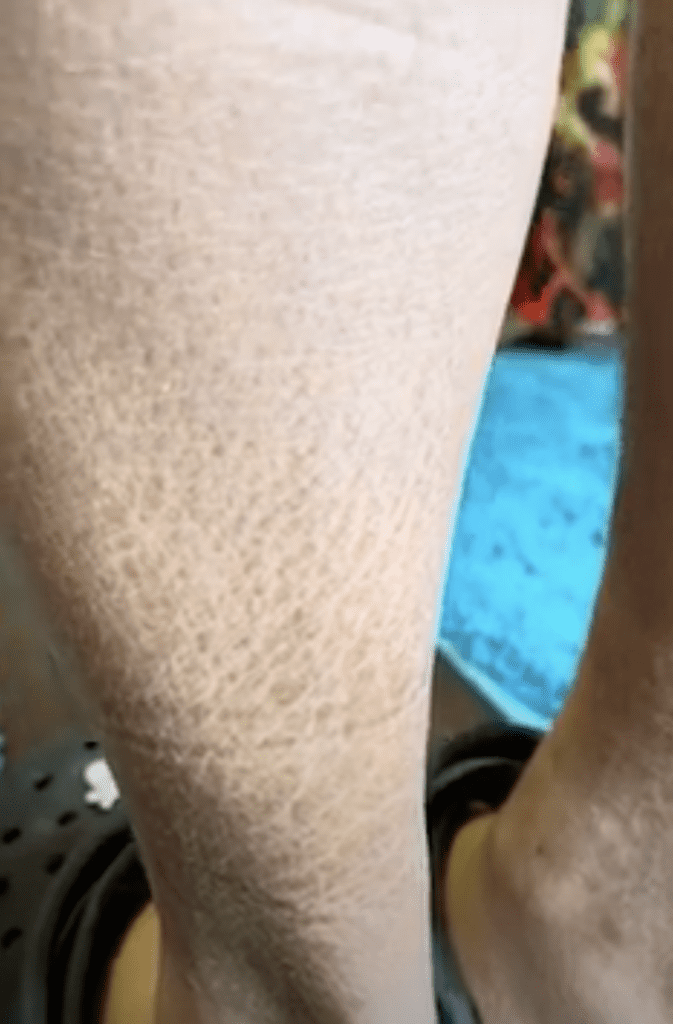
What happens in your gut shows up on your face. Research indicates that acne, rosacea, eczema, dullness, and accelerated skin aging are all linked to an imbalance in the gut microbiome. Inflammation that starts in the digestive system doesn’t stay contained there. It moves systemically, and the skin is one of the most visible places it lands. If your skin has changed and nothing topical is fixing it, the gut is worth investigating before you buy another serum.
The brain is on the same circuit. The gut-brain axis is a two-way communication system, and when one side deteriorates, the other follows. Brain fog, difficulty concentrating, slower processing, and memory issues that feel new. These aren’t separate neurological problems. They’re often downstream effects of an inflamed gut that disrupt the signals your brain depends on.
Mood and Cravings
Your gut produces roughly 90 percent of your body’s serotonin, the neurotransmitter most associated with mood regulation. When the microbiome is out of balance, serotonin production gets disrupted. The result is unexplained anxiety, irritability, and mood swings that do not match what is actually happening in your life. You are not losing your mind. Your gut chemistry is off.
And then the cravings kick in. An imbalanced microbiome drives demand for the foods that feed the less beneficial bacteria, primarily sugar and refined carbohydrates. If your cravings feel disproportionate to your actual hunger, like something else is running the show, it is because something else is. The bacteria are placing orders, and your willpower is not the problem.
New food sensitivities show up here, too. Foods you’ve eaten your entire life without issue suddenly trigger reactions. When the gut lining becomes more permeable, undigested food particles cross the barrier, triggering immune responses that manifest as new intolerances and inflammatory reactions. If your relationship with food has changed without an obvious explanation, the gut barrier may be involved.
Frequent illness and slow recovery round it out. Roughly 70 percent of the immune system lives in the gut. When gut health declines, immune function goes with it. Getting sick more often, taking longer to bounce back, catching everything that comes through the house. These are not signs of a weak constitution. They are signs of a microbiome that is not doing its job.
Stop Treating the Smoke Instead of the Fire
Bloating gets treated with antacids. The fatigue gets treated with more caffeine. The skin gets treated with expensive creams. The brain fog gets written off as stress. Mood changes are blamed on hormones.
Every symptom gets its own band-aid.
And none of the band-aids work for long because none of them are addressing what is actually happening.
These aren’t five or six separate problems showing up at the same time by coincidence. They’re different expressions of the same thing. An inflamed, imbalanced gut sending distress signals through every system it touches.
Treating them individually is like turning off smoke detectors during a fire. The noise stops. The fire does not.
Where to start
You don’t need a massive protocol.
You don’t need twelve supplements and a 90-day reset.
You need real food. More fiber. Fermented foods on a regular basis. Less ultra-processed food. Better sleep. Less unmanaged stress.
None of these are complicated. All of them compound over time. Research indicates that microbiome diversity can shift meaningfully within days of dietary changes. Days. Not months.
If several of the signs above sounded familiar, the next step is understanding what gut health after 50 actually looks like and which changes make the biggest difference.
Learn more about your gut health
If you want to stay connected as we keep sharing what we are learning, join our email list below. Practical, honest content from two real people figuring this out in real time.

Disclosure: GutBeautyBody content is written from personal experience and research. We are not medical professionals. All factual health claims are sourced from peer-reviewed research and reputable health organizations. Read our full Medical Disclosure here.
[AFFILIATE DISCLOSURE FOOTER]
[MEDICAL DISCLAIMER FOOTER]