The supplement aisle is overwhelming on purpose. I’ve been a big supporter of supplements and understanding the why, how, dosage, timing, and proper mixing and matching since I had gastric bypass surgery in 2006.
Here’s what my husband and I each take and what we both quit because it didn’t do anything we could measure.
Disclosure: This post contains affiliate links. If you purchase through our links we may earn a small commission at no extra cost to you. We only recommend products Wendy personally uses and believes in. Read our full Affiliate Disclosure here.
I’ve been through phases with supplements. The phase where I was taking everything that sounded promising. The phase where I stripped it all back. The phase I’m in now, which is more intentional, more targeted, and a lot less expensive.
Shawn’s approach has always been simpler than mine. He hates taking pills, takes the minimum he can get away with, and has found exactly one workaround that actually keeps him consistent.
What Supplements Do Women Over 50 Actually Need?
After 50, several nutrients become harder to absorb and more critical to maintain. B12 absorption decreases with age as stomach acid production declines, making deficiency more common and harder to correct with standard supplements. Iron needs vary, some women still need it after menopause, some don’t. Magnesium is widely deficient in general and becomes more important for sleep, muscle function, and nervous system regulation as we age. Vitamin D, collagen, and specific B vitamins like folate are also frequently insufficient in the over-50 population, even in people who eat reasonably well. The challenge is that what your body needs depends on your individual biology, not just your age. Getting bloodwork done and understanding your actual levels is more useful than following any generic supplement list, including this one.
Men over 50 have their own shifting needs. Magnesium tends to be one of the most impactful for men dealing with muscle cramps, sleep disruption, or high stress. Beyond that, the most common deficiencies in men over 50 are similar: vitamin D, B12, and zinc.
If you don’t have medical insurance, there are labs nowadays where you can not only pick the specific tests you want, but you can even mail in your blood sample and get online results quickly for any budget.
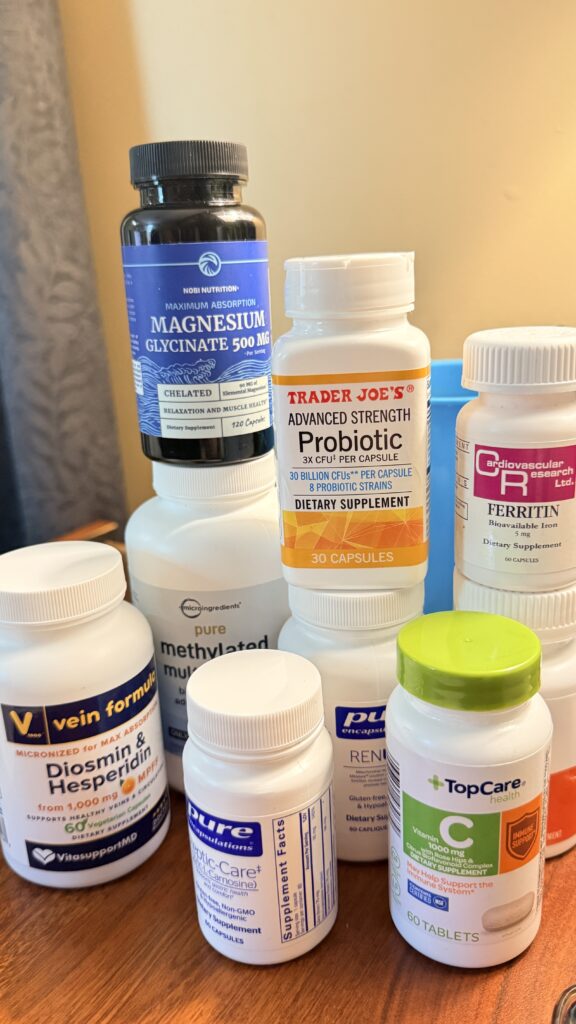
These are ALL the Supplements and Peptides I discuss in this post
Why Methylated Vitamins Matter and What That Even Means
Standard multivitamins contain nutrients in forms your body still has to convert before it can use them. For most people, that conversion happens reasonably well. For a significant portion of the population, it doesn’t, because of a common genetic variation in the MTHFR gene that reduces the enzyme responsible for that conversion.
Methylated vitamins skip that conversion step. They come in the form your body can actually use immediately. Methylcobalamin instead of cyanocobalamin for B12. Methylfolate instead of folic acid. If you’ve taken standard supplements for years and never felt a difference, this is worth looking into.
It’s estimated that up to 50% of people carry some variation of the MTHFR gene mutation. You don’t have to be tested to benefit from switching. The methylated forms are simply better absorbed for everyone, not just those with the mutation.
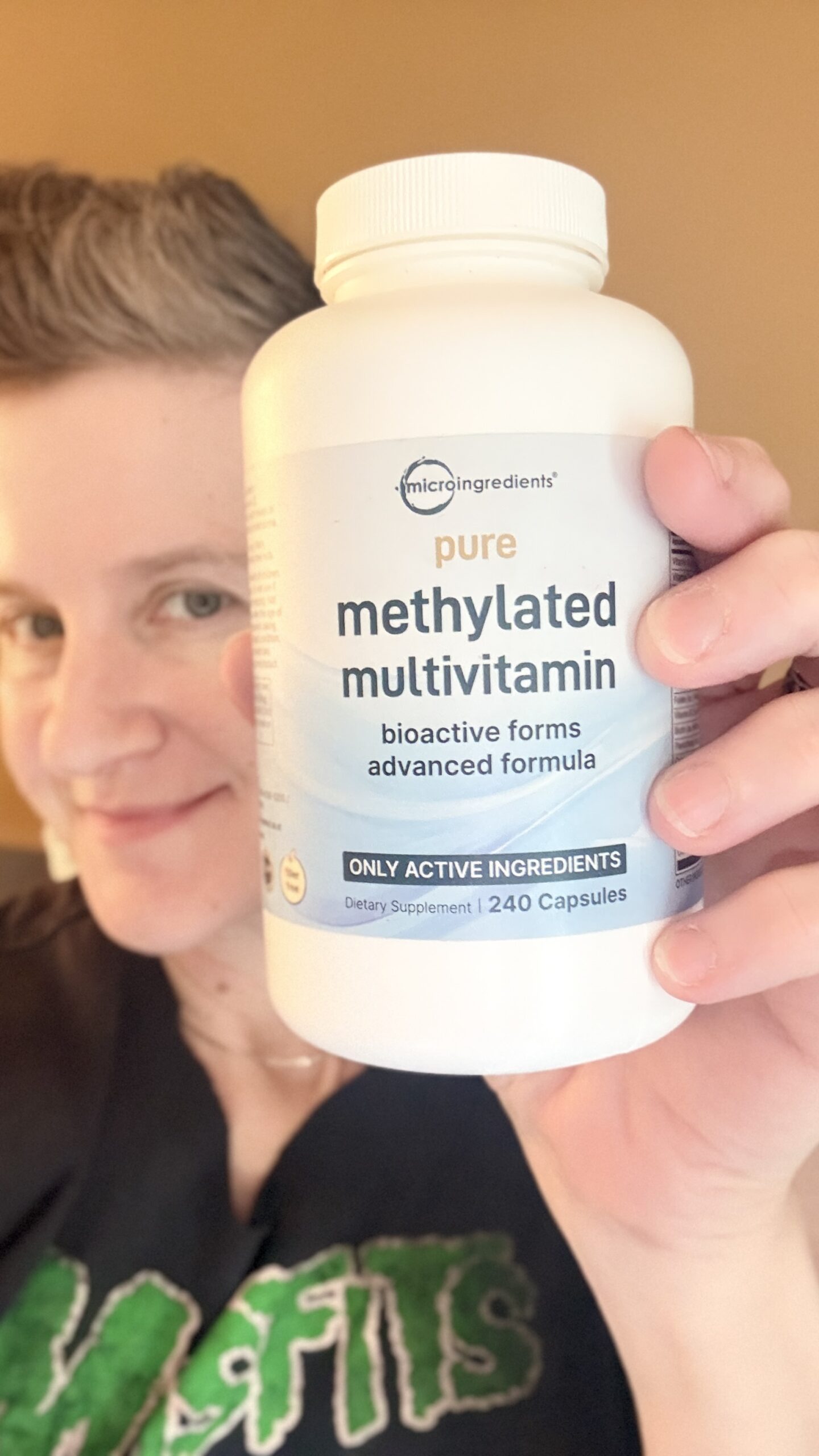
I take a methylated multivitamin every morning. That was a deliberate switch from a standard multi and it’s one I haven’t gone back on.
I also get high-absorption vitamins because of my past abdominal surgeries.
What I Take Every Morning Before I Get Out of Bed
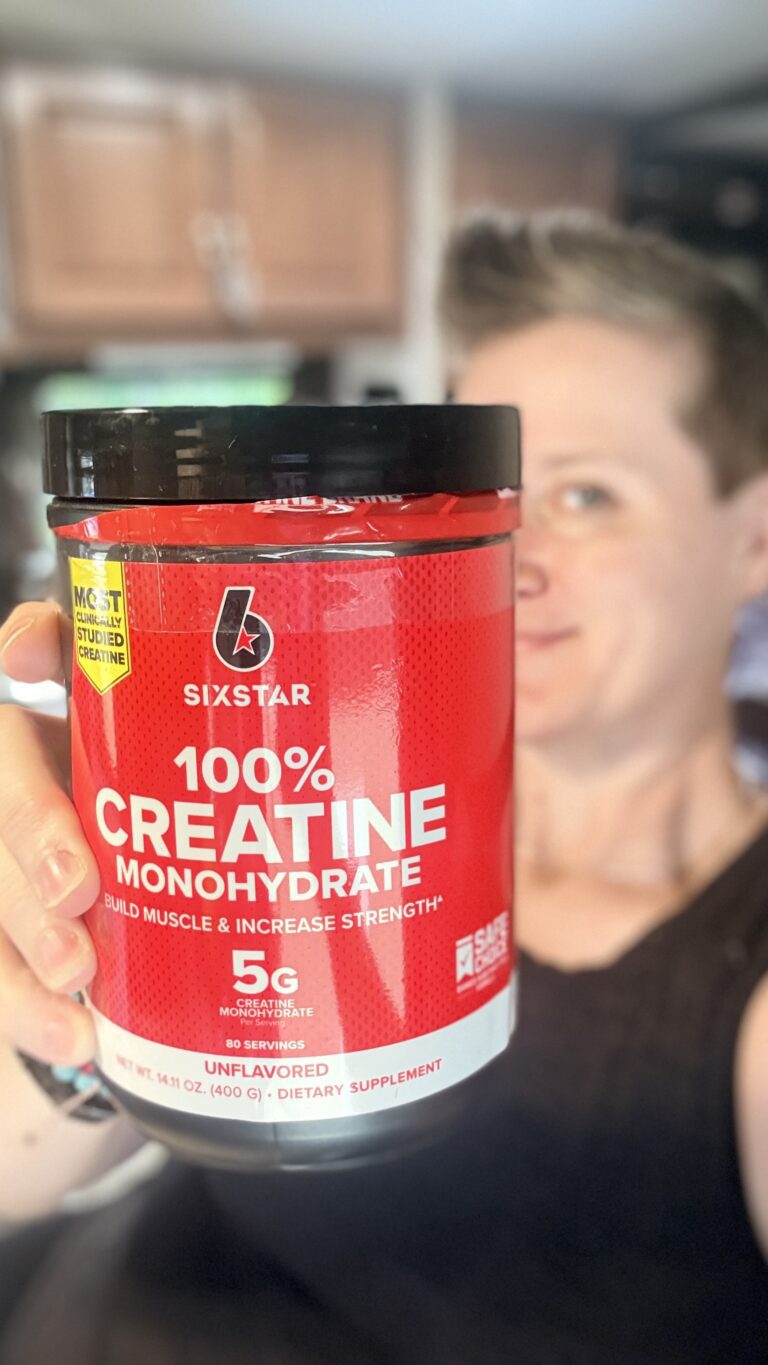
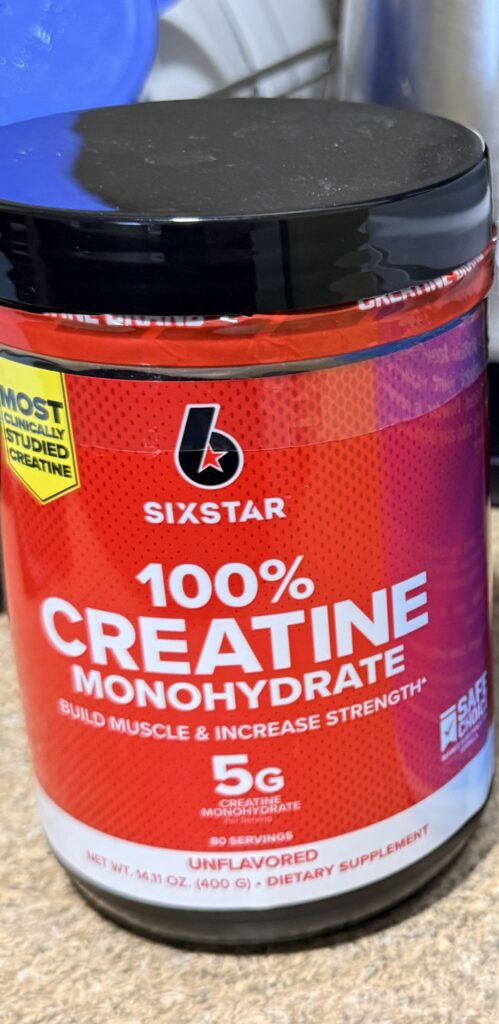
My morning coffee is where I get my initial supplementation. I mix a scoop of creatine and a scoop of high-protein collagen directly into my coffee. That covers two of the most important things I take without adding a single extra step to my morning.
With my morning meals I take a methylated multivitamin, Pure Encapsulations Renewal, Pure Encapsulations Peptic Care for digestive support, and Vein Formulas Diosmin and Hesperidin for vein health. Each of those is in my stack for a specific reason based on my specific health picture, not because someone told me everyone should take them.
The collagen goes into everything it does because I’ve written about it in depth here. It’s doing more than most people realize.

What I Take at Night, When I Remember
In the evening I take iron, vitamin C to help absorb it, and sublingual B12. Sublingual means it dissolves under the tongue and absorbs directly into the bloodstream, bypassing the digestive system where B12 absorption is compromised with age. That’s intentional. Standard B12 pills don’t absorb as well once you’re past a certain point.
I also take my probiotic at night. Not every single night, but when I remember. Night is a better time for probiotics because your gut is less active and the bacteria have more time to establish before your next meal. Our digestive enzymes post goes deeper on why gut support after 50 matters more than most people think.
I take iron because my levels tell me I need it. I’m not suggesting everyone does. If you haven’t had your iron checked recently, that’s worth doing before you add it.
What Shawn Takes, and the Gummy Problem
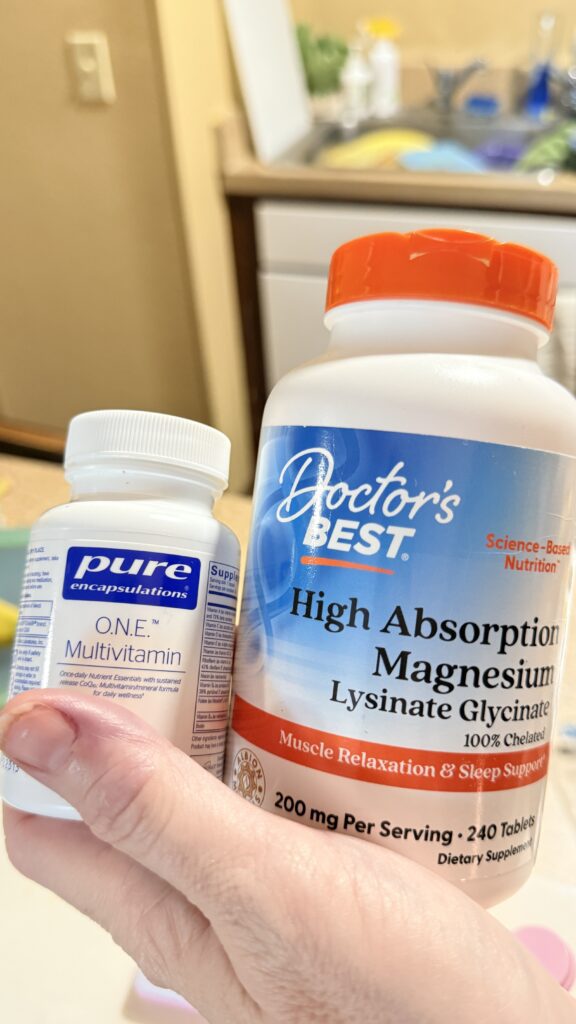
Shawn takes magnesium glycinate and a multivitamin. That’s it.
The magnesium is for muscle cramps. When he takes it consistently, the cramps don’t happen. When he feels like he’s all good, he stops taking it. And then the cramps come back. This has been the cycle for years. He knows it. He still does it. If this sounds familiar, you’re not alone in your household.
For sleep and magnesium, that same pattern has come up before. We talked about it in the magnesium for sleep post if you want the fuller picture.
For a while, Shawn was consistent with supplements because he’d found gummies. They felt like dessert. He’d take them every night without being reminded. It worked. Until I stopped buying them, because gummies are loaded with extra sugars and the dosing is often lower than what’s in capsule form. The consistency wasn’t worth the trade-off.
He’s back to being inconsistent. We’re working on it.
What We Both Stopped Taking and Why
Longevity supplements are still of great interest to me, but now, instead of trying them all, I’m focused on a handful of the right ones for me.
NAD+ was on my list for a while. I stopped because I couldn’t measure anything it was doing. Not energy, not sleep, not cognitive function, nothing I could point to and say that’s the NAD+. When a supplement doesn’t produce anything you can observe, it’s hard to justify the cost.
That’s the filter I use now for everything. Is this doing something measurable? Can I feel a difference when I don’t take it? If the answer is no to both, it comes out of the stack.
The supplement industry doesn’t want you applying that filter. Apply it anyway.
If you want a solid overview of what the research says about key nutrients for women over 50, Healthline’s breakdown on multivitamins for women over 50 is a good starting point.
And if you want to understand the methylated vitamin research more, this breakdown on methylated vitamins from Dr. Axe covers the mechanism well without getting too clinical.
The goal with supplements isn’t to take everything. It’s about taking the right things for your specific picture, making sure you are taking the right amounts at the right time, and being honest about whether they’re actually doing anything.
Frequently Asked Questions About Supplements for Women Over 50
What’s the difference between methylated and regular vitamins?
Regular vitamins contain nutrients your body has to convert into usable forms. Methylated vitamins come already in those active forms. For people with the MTHFR gene variation, which affects up to 50% of the population, this conversion doesn’t happen efficiently with standard vitamins. Even without that variation, methylated forms tend to absorb more reliably.
Should women over 50 still take iron?
It depends on your individual levels. After menopause, many women’s iron needs decrease. Some women, including those who’ve had certain surgeries or have absorption issues, still need supplemental iron. The only way to know is bloodwork. Don’t supplement iron without knowing your levels first.
Why take B12 sublingually after 50?
B12 absorption depends on stomach acid production and a protein called intrinsic factor. Both decline with age. Sublingual B12 dissolves under the tongue and absorbs directly into the bloodstream, bypassing the digestive process where absorption breaks down. For anyone over 50 with lower stomach acid, this form is more reliable than a standard pill.
Are gummy vitamins worth taking?
Gummy vitamins are better than no vitamins, but they come with trade-offs. The dosing is often lower than capsule or tablet forms. They contain added sugars. The nutrient forms used in gummies aren’t always the most bioavailable. If consistency is a genuine problem and gummies are the only thing that works, they’re a reasonable short-term solution. Long-term, the capsule form of the same supplement will serve you better.
What supplements do men over 50 actually need?
The most commonly deficient nutrients in men over 50 are vitamin D, magnesium, B12, and zinc. Magnesium glycinate is often the highest-impact addition for men dealing with muscle cramps, poor sleep, or chronic stress. A quality multivitamin covers the basics. Beyond that, individual bloodwork tells you more than any generic list.
What’s one supplement you take that you genuinely notice a difference without, and what’s one you stopped because it wasn’t doing anything?
Disclosure: GutBeautyBody content is written from personal experience and research. We are not medical professionals. All factual health claims are sourced from peer-reviewed research and reputable health organizations. Read our full Medical Disclosure here.
Disclosure: This post contains affiliate links. If you purchase through our links we may earn a small commission at no extra cost to you. We only recommend products Wendy personally uses and believes in. Read our full Affiliate Disclosure here.