Hair thinning after 50 is really common. It isn’t inevitable, though, and there’s more you can do about it than most people realize.
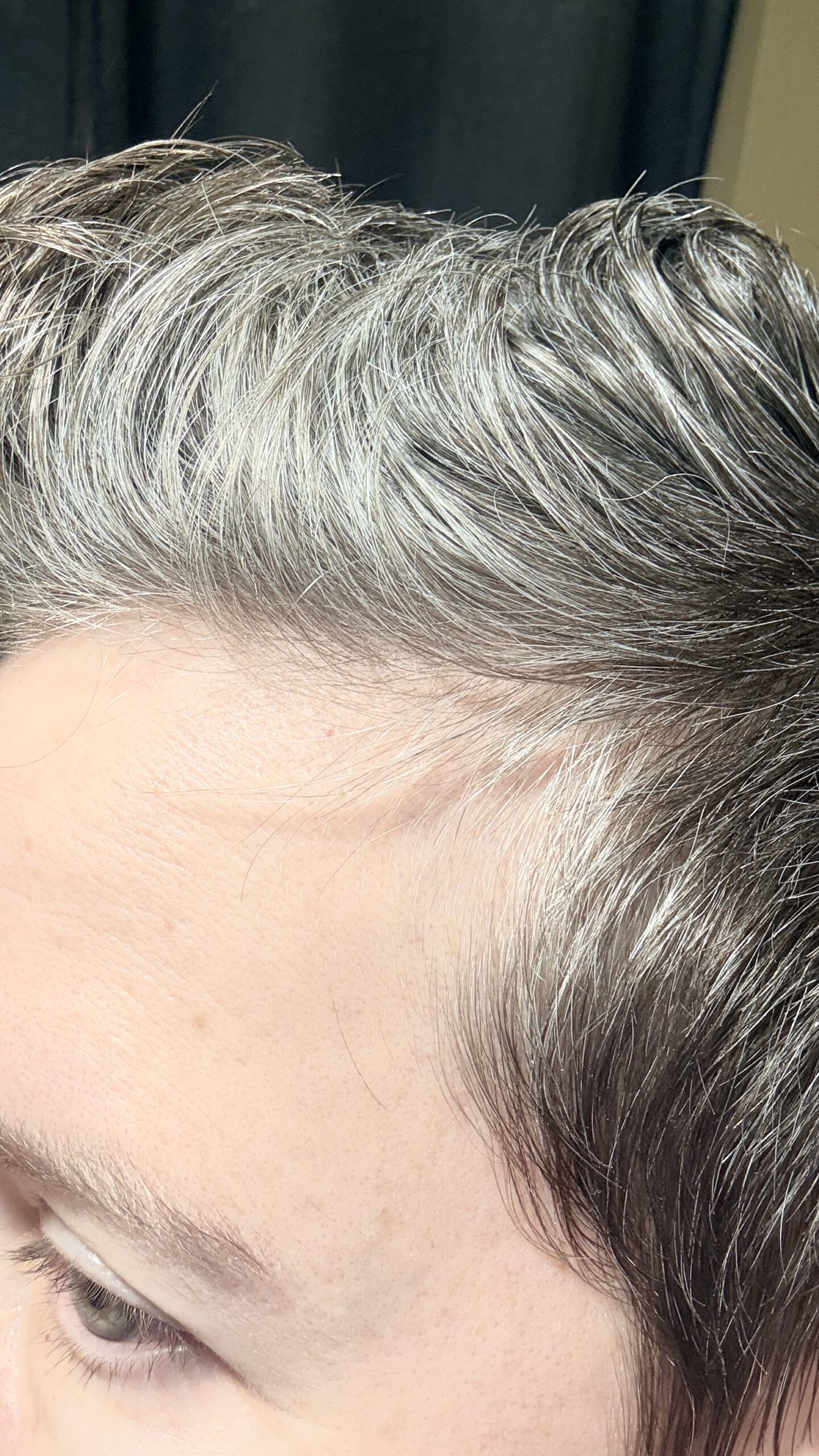
My hair was thinning. Not dramatically. Not in clumps. Just gradually getting less of itself.
I’ve had short hair the past 15 years, but it’s always been thick, coarse, curly, and very full. I had been bleaching it for years now and it’s gotten more brittle and straight over time from all the damage.
This past September, I decided to go natural. No more bleaching. I was going to welcome my natural ash brown and the grey that came with aging.
When my hair was bleached, I honestly didn’t notice the thinning because I attributed my damaged hair to the torture it’d endured all these years.
But when I went au natural, and my hair started to curl again, it also showed grey streaks and highlighted the thinning hair around my temples. I realized I needed to focus on getting my scalp.
What I figured out changed things enough that my hair isn’t thinning anymore, and it’s actually thicker, I’m growing new baby hair, and my scalp is no longer itchy. Not because I found a miracle product. Because I understood what was actually happening and gave my hair what it needed
Disclosure: This post contains affiliate links. If you purchase through our links we may earn a small commission at no extra cost to you. We only recommend products Wendy personally uses and believes in. Read our full Affiliate Disclosure here.
Why Does Hair Thin After 50?
Hair thinning after 50 in women is primarily driven by the drop in estrogen that comes with perimenopause and menopause. As estrogen declines, hair follicles become more sensitive to androgens, the male hormones that exist in all women. This sensitivity shortens the active growth phase of the hair cycle, so hair falls out before it’s had time to fully grow. The result isn’t usually bald patches. It’s diffuse thinning, a wider part, less density overall, hair that feels finer and more brittle. Research shows that up to 40% of women experience some degree of hair loss by age 50. That number keeps climbing after menopause.
Men aren’t exempt from this either. Nearly half of men experience some degree of hair thinning after 50. It’s just treated as more expected, so fewer men talk about what they can actually do about it. The hormonal mechanism is different but the collagen and circulation principles that help women help men too.
I remember my dad’s hair as he got older each year. I’d see more and more of his scalp, but his facial, nose, and ear hair kept growing.
The hormone piece is real. But it’s not the only piece. What you eat, what you supplement, and what you put on your scalp all play a role in whether your hair holds on or keeps thinning. That’s where most people have more control than they think.
If you’re noticing changes in your skin and nails around the same time as your hair, it’s worth reading about the connection between collagen and aging after 50 because they’re all related.
Do Your Genetics Affect How Much Hair You Lose as you age?
Yes. A lot, actually.
Genetics dictate how sensitive your hair follicles are to the androgens that cause thinning. And that sensitivity varies significantly by ancestry. No group is completely immune to hair loss with age, but how early it starts, how fast it progresses, and how much loss is typical looks very different depending on where your family comes from.
Indigenous peoples of the Americas and East Asians, including Chinese, Korean, and Japanese populations, have the lowest rates of androgenetic alopecia in the world. In these groups, significant hair loss is less common and, when it does occur, tends to start a decade later than it does in people of European descent and typically presents as gradual diffuse thinning rather than the more aggressive recession patterns seen in other groups. East Asian hair also tends to have thicker individual strands, which can create the appearance of more fullness even if follicle density is lower.
People of African and Afro-Caribbean descent tend to have lower rates of genetic hair loss than Europeans, with thinning more likely to begin at the crown rather than the hairline. African hair tends to be denser and coarser, though it requires more moisture-focused care to prevent breakage.
People of European descent have the highest documented rates of androgenetic alopecia. Studies estimate that up to 50% of men of European ancestry show some degree of hair loss by age 50. The hair strands themselves tend to be finer and more prone to breakage with age, even in populations where follicle density starts out high.
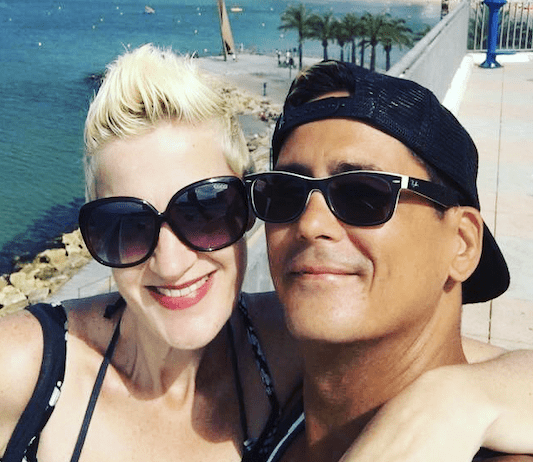
I’m a white woman, 50% Ashkenazi Jewish and 50% a mix of Northern European and English ancestry. That puts me squarely in the higher-risk category genetically. My follicles are more sensitive to androgens by default. Menopause made that worse. Knowing that didn’t change what I needed to do, but it did make it clearer that waiting and hoping wouldn’t work. My husband is 50% European and 50% Filipino, so the Pacific islander genetics can explain his lack of hair loss so far.
Hair oiling traditions in South Asia are worth noting here, because Indian women, who also tend to have lower rates of significant hair thinning than women of European ancestry, have been oiling their scalps for centuries. The traditional champi ritual uses sesame or coconut oil infused with herbs such as amla, bhringraj, brahmi, neem, and hibiscus. The purpose is the same as what rosemary is doing in Western research: to stimulate blood flow to the scalp and nourish the follicular environment. Rosemary isn’t a traditional Ayurvedic herb, but modern Ayurvedic-inspired formulations have incorporated it specifically because it works through the same mechanism, and it smells amazing. The principle isn’t new. The research just finally caught up with what a few billion people already knew.
The point isn’t that some people are lucky and some aren’t. It’s that understanding your starting point tells you how hard you’ll need to work and how early you’ll need to start. If your genetics put you in the higher-risk group, like mine do, being proactive matters more, not less.
What I Tried Before I Found What Worked
I didn’t go through a long list of failed products. I did my research, landed on what made actual sense biologically, and tried it consistently.
The two things that changed my situation in a rather short period of time were collagen and rosemary.
Not a complicated routine. Not a shelf full of products. Two separate products, used consistently, for different purposes, and my hair stopped thinning.
Why High-Protein Collagen Matters More Than You Think for Hair
Hair is protein. Specifically keratin, which is built from amino acids. Collagen is rich in the exact amino acids, proline and glycine, that your body uses to produce keratin. So when collagen levels decline with age, one of the things that suffers is the raw material your hair needs to grow.
Hair follicles also live in the dermis layer of your scalp, which is roughly 70% collagen. As collagen declines, the structural environment that supports your follicles weakens. A 2017 study published in the Journal of Cosmetic Dermatology found that participants taking collagen peptides showed significant improvements in hair thickness and growth rate after 90 days of supplementation.
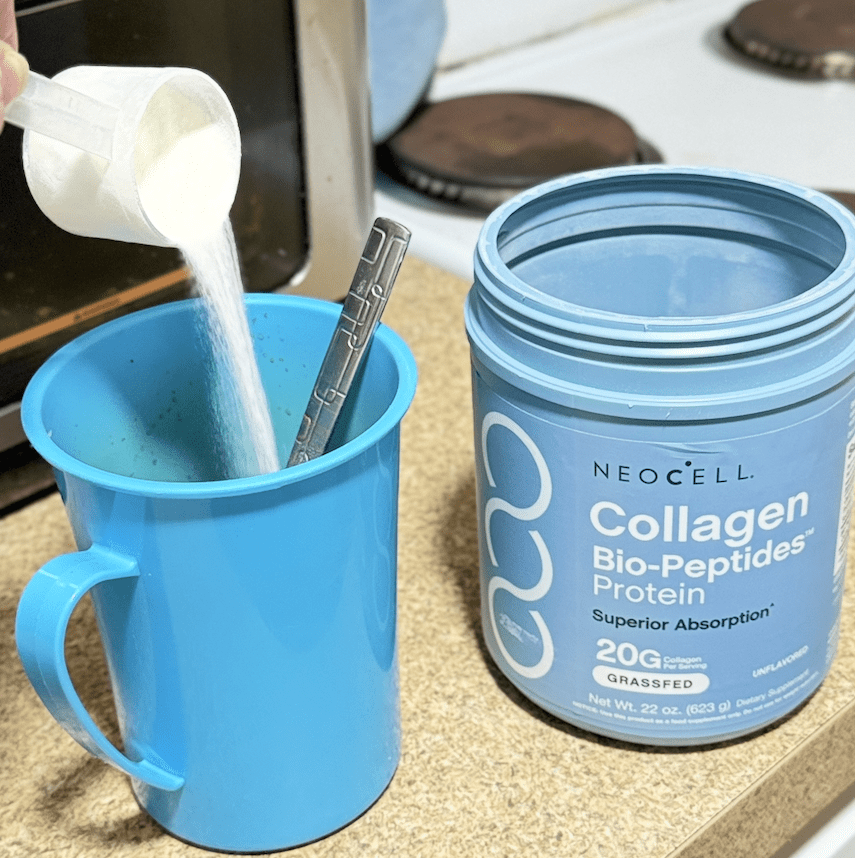
The keyword is protein. Not just any collagen. I use a high-protein NeoCell Collagen Peptides powder mixed into my morning coffee every day, before I even get out of bed. It’s become as automatic as the coffee itself.
If you want to understand everything collagen is doing beyond hair, the full breakdown on collagen after 50 covers it.
Does Rosemary Actually Work for Hair Growth?
Rosemary has long been used for hair growth. What’s changed is that there’s actual clinical research behind it now.
A 2015 clinical trial compared rosemary oil to 2% minoxidil, the most commonly recommended over-the-counter hair loss treatment, in participants with androgenetic alopecia. After six months, both groups showed comparable hair counts. The rosemary group also reported less scalp itching than the minoxidil group. A 2022 study found similar results. More recent reviews have confirmed the evidence is increasingly credible.
The mechanism: Rosemary improves microcirculation in the scalp, increasing blood flow and nutrient delivery to follicles. It also appears to block a compound that can restrict the space follicles have to grow.
That started my quest to find Rosemary hair care products. Being a content creator, I was able to get a bunch of different brands to send me their products over the past year.
But most didn’t do anything, and my scalp still either itched or I had dandruff. Then I found out my favorite k-beauty skincare brand had gotten into the hair growth and health game, and it actually made a huge difference. It’s the only combo product I use for my hair health now.
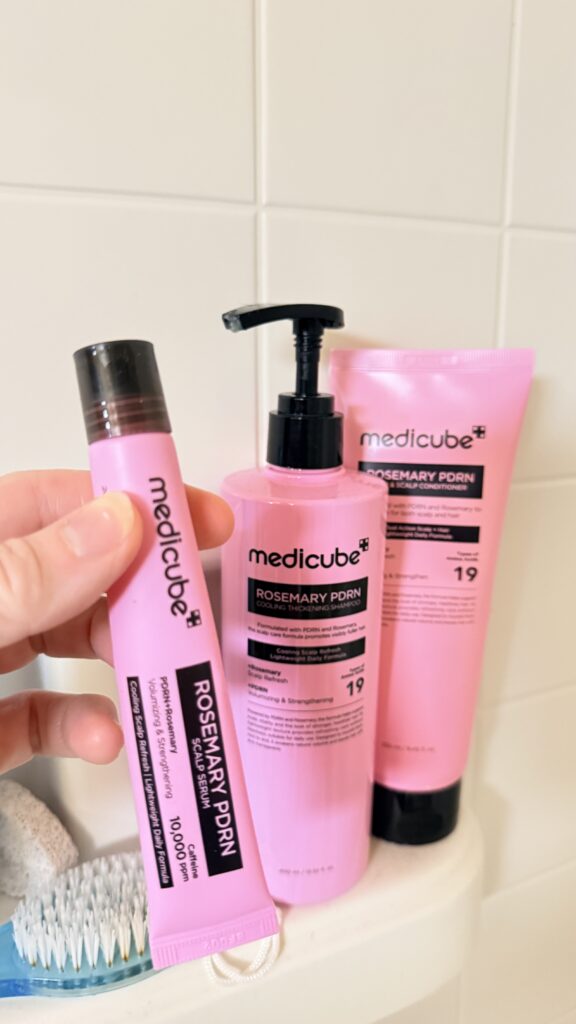
I use the Medicube Rosemary PDRN Shampoo & Conditioner when I wash my hair and then. Once a week, I use the Rosemary Oil Serum, applying it directly to my scalp and leaving it on before washing. It feels genuinely good, and it’s become the one part of the week I don’t skip.
It took a few months of consistency before I felt confident saying my hair had stopped thinning. That’s realistic. Hair growth cycles are slow. If you’re expecting results in week three, this isn’t how it works.
What happens to my husband when he supplements with Collagen
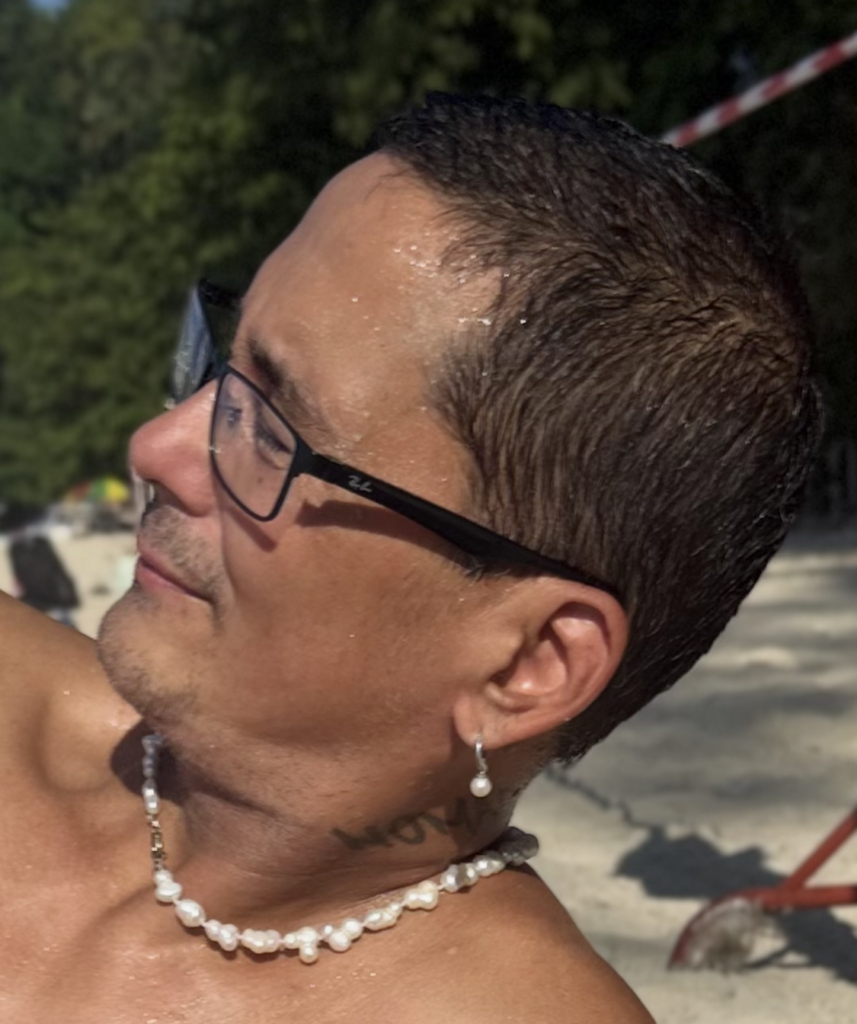
Shawn isn’t a supplement person. Minimal effort, minimal routine, minimal patience for anything that requires consistency. But he started adding collagen once a week because he’d seen what it was doing for my hair and figured it couldn’t hurt.
He only uses it once a week because daily created havoc.
When he used it more often, his hair and nails grew too fast. He was shaving twice a day. He was clipping his daily. It became enough of an annoyance that he dialed back to once a week, and that’s where he’s stayed.
Collagen does work for hair, even in men who aren’t trying very hard at anything else. The difference is just how your individual body responds and how much you actually need.
For women dealing with thinning, daily use matters. For men who want to maintain what they have, once a week might be plenty. Pay attention to your own response and adjust from there.
What to Start With If You’re Just Beginning
Start with the collagen. It’s the foundation, and it’s also supporting your skin, joints, and gut at the same time, so it’s not a one-purpose supplement. Get that consistent before adding anything else.
Add the rosemary shampoo once you’ve got collagen dialed in. Layer in the weekly rosemary oil serum when you’re ready. Give the combination at least 90 days before you decide whether it’s working.
The American Academy of Dermatology has thorough guidance on female pattern hair loss if you want a clinical framework alongside the personal experience we’ve shared here.
My morning skincare routine post covers how I handle everything else from the neck up, including what I use for my skin while I’m at it.
Hair thinning after 50 doesn’t have to keep progressing. Understanding why it’s happening and addressing it from the inside out, not just the outside in, is what changes the trajectory.
Frequently Asked Questions About Hair Thinning After 50
Does hair thinning after 50 grow back?
It depends on the cause. Thinning driven by nutritional deficiency or hormonal shifts can often be slowed and sometimes partially reversed with consistent support. Stopping the progression is realistic for most people. Full reversal depends on how long it’s been going on and what’s driving it.
How long does rosemary oil take to work for hair thinning?
The clinical trial comparing rosemary to minoxidil ran for six months. Most people notice reduced shedding before they notice regrowth. Give it at least 90 days of consistent use before drawing any conclusions.
Can men use collagen for hair thinning after 50?
Yes. Collagen supports hair follicle health regardless of gender. Men tend to notice the effect with less frequent supplementation, based on what we’ve observed, but the mechanism is the same. It provides the amino acids hair needs to grow and maintains the structural environment follicles need.
What’s the best supplement for hair thinning after 50?
Based on our experience and the available research, high-protein collagen peptides are the supplement with the most direct connection to hair health. They provide the amino acids needed for keratin production and support the collagen-rich dermis where your follicles live. Pair that with a rosemary-based topical treatment and you’re addressing the problem from both directions.
Is hair thinning after 50 the same as female pattern hair loss?
They can overlap but aren’t always the same thing. Female pattern hair loss is a specific androgenetic condition. Menopausal hair thinning is hormonally driven but typically presents as diffuse thinning across the scalp rather than the crown-focused pattern seen in classic female pattern hair loss. A dermatologist can tell you which you’re dealing with if you’re unsure.
Have you noticed changes in your hair since you turned 50, and have you found anything that actually helped?
Disclosure: GutBeautyBody content is written from personal experience and research. We are not medical professionals. All factual health claims are sourced from peer-reviewed research and reputable health organizations. Read our full Medical Disclosure here.
Disclosure: This post contains affiliate links. If you purchase through our links we may earn a small commission at no extra cost to you. We only recommend products Wendy personally uses and believes in. Read our full Affiliate Disclosure here.