Disclosure: This post contains affiliate links. If you purchase through our links we may earn a small commission at no extra cost to you. We only recommend products Wendy personally uses and believes in. Read our full Affiliate Disclosure here.
I’ve been a bad sleeper since childhood. When people ask if I’ve also experienced menopause and insomnia as a symptom, the honest answer is no. Menopause made an already bad situation worse, and then I spent over a year trying to fix it with things like wild yam creams, sleep mask massagers, mushroom sleep cocoas, and hormones that were supposed to help. You name it, I’ve tried it.
Why Didn’t HRT Fix My Menopause Insomnia?
For many women, hormone replacement therapy improves sleep by reducing hot flashes and easing hormonal shifts. But research from Johns Hopkins Medicine notes that few objective sleep differences are actually observed in many cases, and for some people, the downsides of hormone therapy can outweigh the benefits. I am one of those people.
I didn’t have the textbook menopause symptoms either. No major hot flashes. No night sweats waking me up drenched. Research from the Sleep Foundation actually pushes back on the long-held belief that night sweats are what cause menopause insomnia in the first place, which tracks with my experience exactly. My sleep was already bad. Menopause just turned up the volume.
I Was a Bad Sleeper Long Before Menopause
This is the part most menopause sleep content skips. They assume you slept fine for forty-some years and then menopause showed up and ruined it. That’s not my story. I’ve never been a person who falls asleep easily or stays asleep through the night. Restorative sleep has been a problem my whole life.
I’m one of those people who, even as a child, is/was an overthinker. Our 28-year-old daughter recently told me that I’m neurospicy and also probably have always had anxiety. My husband and all 3 of our kids are the same, with some ADHD up in there too. Stress, anxiety, an overactive mind, and overstimulation as a child couldn’t be to blame for my sleeplessness in menopause.
What changed with menopause wasn’t the existence of the problem. It was the intensity of it. On top of the sleep issues I already had, I started dealing with brain fog, real trouble focusing, and weight gain that didn’t match what I was eating or how I was moving. Sleep and brain fog feed each other. Bad sleep makes the fog worse. The fog makes me more anxious about my sleep. It’s a loop, not two separate problems. Sleep gets worse after 50 in general.
What Happened When We Increased the Estradiol and Progesterone
I started hormone replacement therapy in the early spring of 2025. I began with a lower dose estradiol patch and 100 mg of progesterone nightly. Nothing changed. Not the sleep, not the weight, not the brain fog. So my doctor increased the patch dose and raised the progesterone to 200 mg, partly hoping it would help with sleep specifically and partly to protect my uterine lining.
The higher doses didn’t fix it either. I never noticed a clear, consistent improvement in my sleep from either the estrogen or the progesterone, at either dose. That’s not what most of the HRT content out there tells you to expect, and I think that’s exactly why it’s worth saying out loud. HRT works well for many women. It didn’t work the way I needed it to.
Perhaps they didn’t work because my doctor wouldn’t prescribe Testosterone along with them, or that I didn’t get pellets, because insurance didn’t cover either. But I also tried the lotions and more, and none of them seemed to make any difference over an 8-month period. Not for sleep, or for any other symptom.
The Patches Caused Their Own Problems
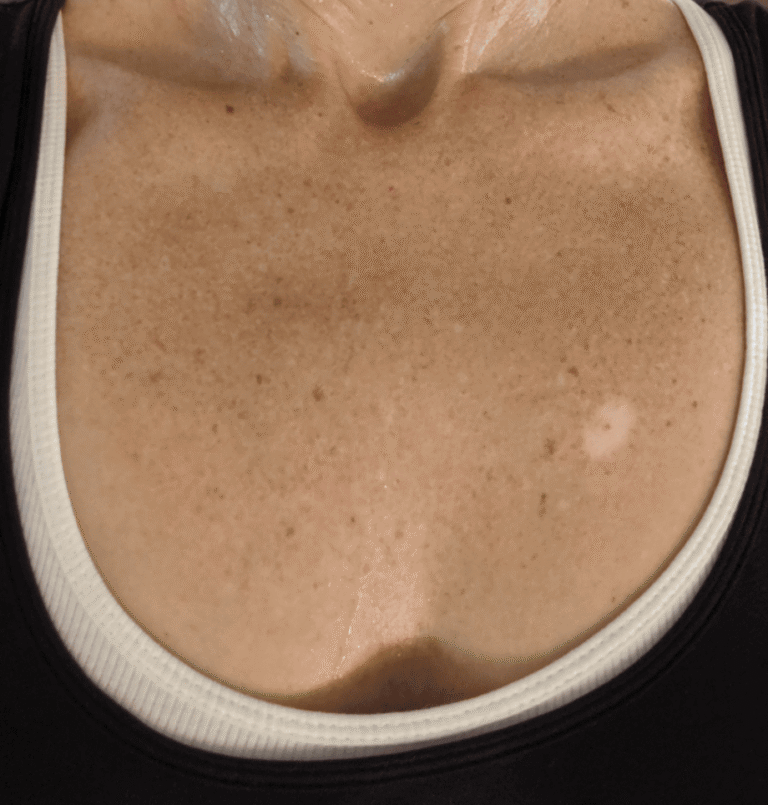
The estradiol patches were a problem on their own, separate from whether they worked. They came loose constantly. They left marks on my skin. I went through them faster than I was supposed to because I kept having to replace ones that wouldn’t stay on. I was told to clean my skin with alcohol first and place them on the front of my thigh, which helped the adhesion some, but it was still a fight.
Then I started bleeding. A small episode not long after I began treatment, and later, more consistent bleeding. Once I stopped the estradiol for about two weeks, most of it resolved, though I had light spotting for a while longer while I was still on the 200 mg progesterone.
Between the bleeding, the patches that wouldn’t stay on, sleep that never actually improved, and then leaving the country to travel, and a gap in insurance making it hard to stay consistent, I eventually stopped the estrogen and later stopped the progesterone too. I’m not saying HRT is wrong for everyone. I’m saying it wasn’t the fix for me, and I needed to stop pretending it might still kick in if I just waited longer.
What Helped and what else didn’t
Magnesium made a bit of a difference when I was sore or overly tired. Along with correcting my potassium levels, which had dropped during a period that also involved kidney stones and leg cramps, magnesium noticeably improved my sleep and cut down on the muscle cramping I’d been dealing with – but only for a while. After a few weeks, I was back to my old sleep patterns but I no longer had leg cramps.
A randomized, placebo-controlled study on magnesium supplementation found real improvements in sleep quality and a measurable reduction in nighttime cramping, not just a placebo effect. I wrote more about exactly what I take and why in Magnesium for Sleep After 50, if you want the specifics.
Beetroot was the other surprise. I took it for heart health, as the Force Factor Beetroot chews brand I tried also had CoQ10. I wear a smart watch and track my sleep. It noticeably improved my sleep tracking numbers, and I’d wake up more rested. The real side effect, which was a pleasant surprise, was that it helped calm my anxiety. I don’t take it every night, only when my breathing slows. I hold my breath when I’m anxious. As soon as I notice my breathing pattern, I take 2 chews and notice the difference in just 20 minutes. But I don’t take it nightly because beetroot is known to decrease your heart rate, and I have low blood pressure. So I don’t want to take it nightly – just when I need it.
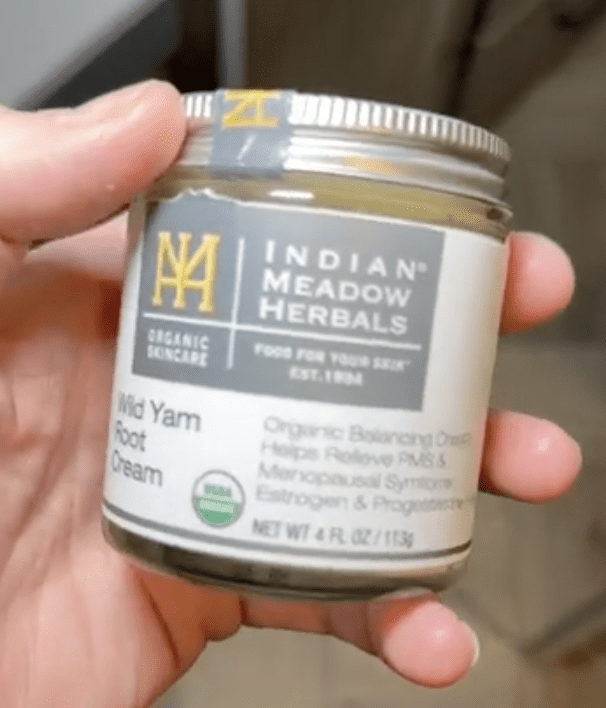
I tried multiple Yam Creams. None of them did anything at all for me.
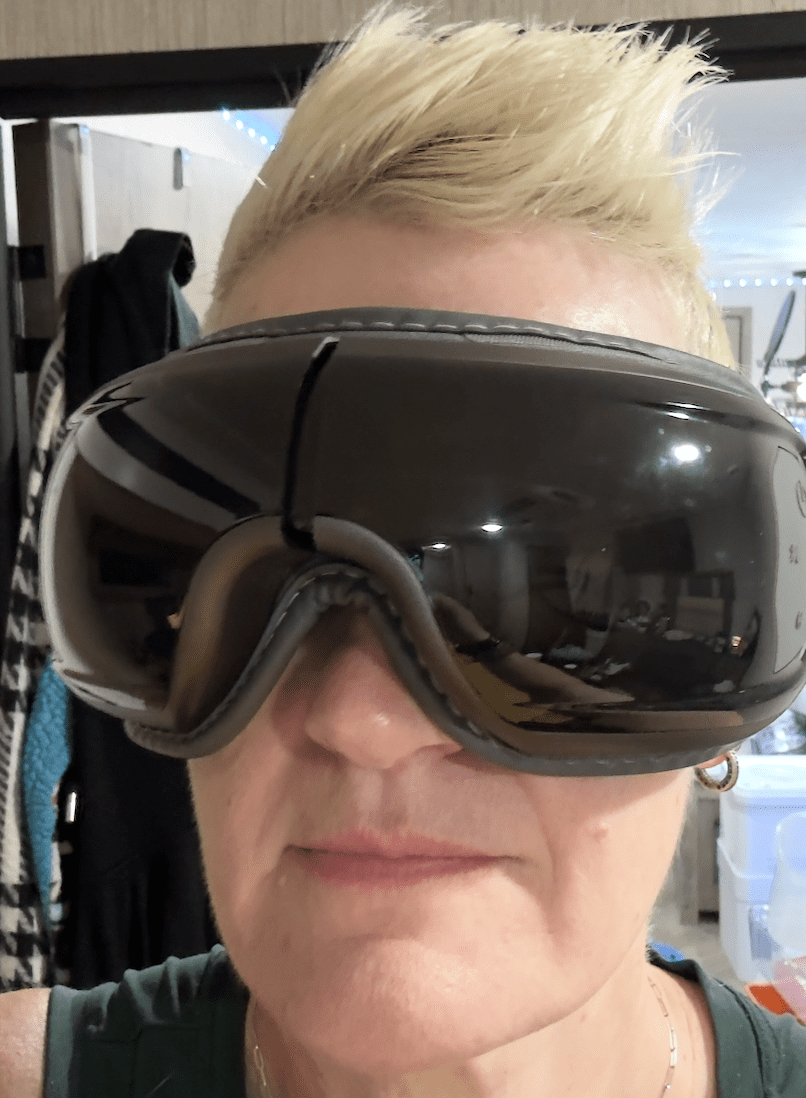
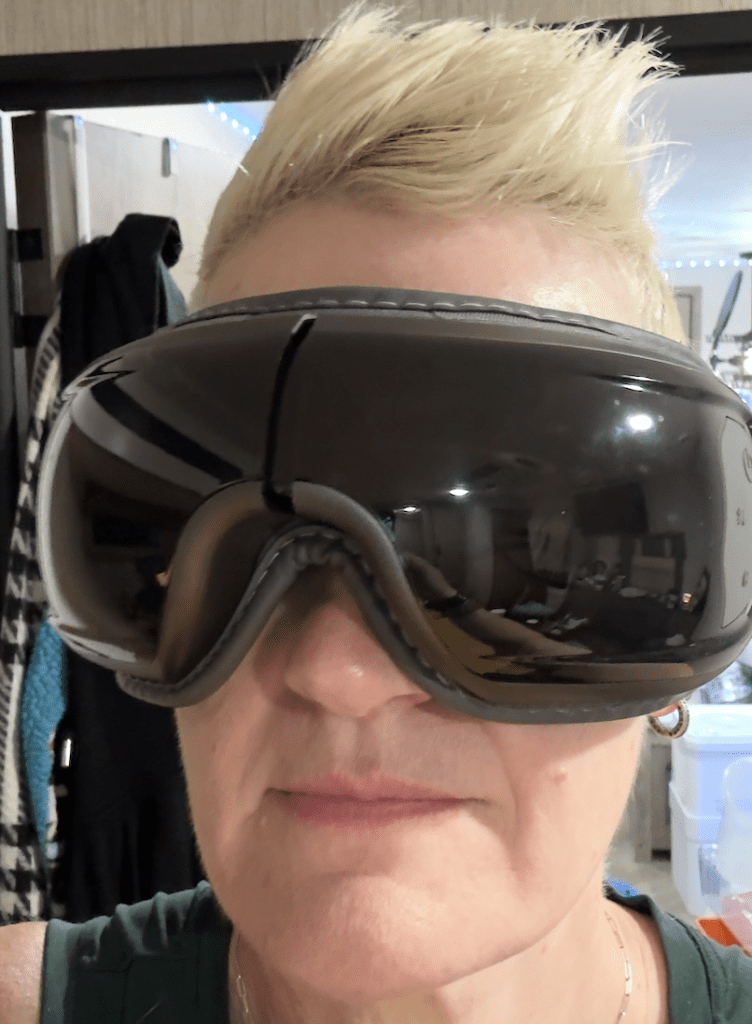
I even tried a heated eye mask massager. It felt wonderful, it relaxed me tremendously, and I’d even fall asleep with it on… and then I’d roll over and wake up with it on. I loved it though.
Something can work and still not be the right long-term answer for your specific body. That’s been one of the hardest lessons in all of this.
Brain Fog Is the Part That Scares Me Most
Of everything menopause brought on, brain fog is the one I have the hardest time shaking off. Scattered thinking, losing my train of thought mid-sentence, that squirrel-brain feeling where I can’t hold onto one idea long enough to finish it. Going into room and forgetting why I’m there.
It’s frustrating on a normal day, but something closer to frightening for me specifically, because my maternal grandfather had dementia and my paternal grandfather had Parkinson’s. I’m not saying poor sleep causes either of those. Memory and losing control of your body scare the hell out of me. When your brain already doesn’t feel like it’s working right, and you know what’s in your family history, it’s hard not to let your mind go there at two in the morning.
That’s part of why fixing my sleep matters to me beyond just feeling tired. Poor sleep affects memory, mood, energy, and focus, and I don’t want to hand my brain any more disadvantages than it’s already working with.
Shawn’s sleep, for what it’s worth, has nothing to do with any of this. His circadian rhythm has him sleepy by six thirty or seven at night and awake by four in the morning, and that hasn’t shifted with age at all. He’s been this way since I met him. He naps daily, and gets up through the night to pee. We’ve had his prostate checked to rule that out. His fix is mostly just not drinking anything after mid-afternoon, but he can’t quit his soda water and coffee. None of his sleep issues are hormonal, unlike mine. It’s a good reminder that two people in the same house can have completely different sleep problems with completely different causes.
Why I Can’t Blame Menopause for Everything
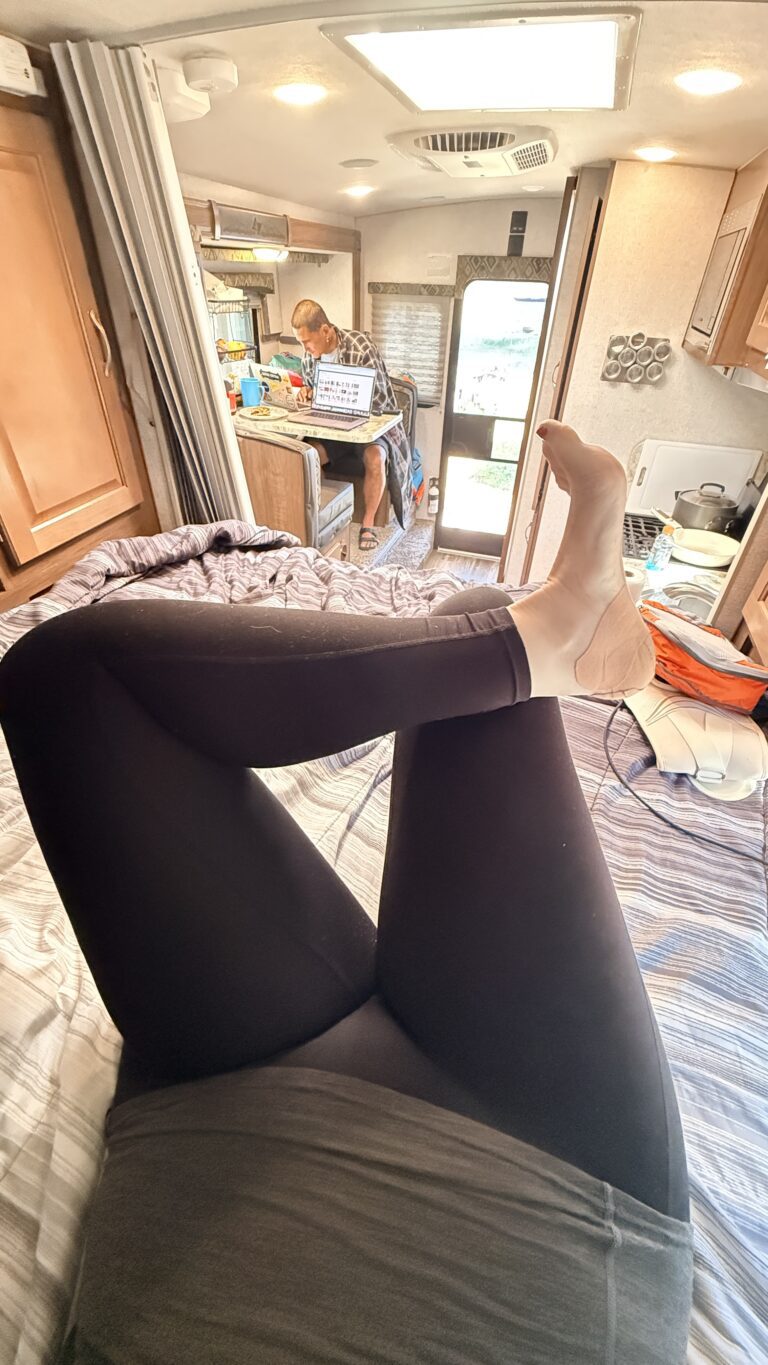
I’ve also dealt with plantar fasciitis, and I’ve wondered whether that’s connected to menopause, too. Hormonal shifts can affect ligaments and connective tissue, and it’s a tempting, tidy explanation. But I had foot problems twenty years before I hit menopause. So I genuinely don’t know if there’s a real connection or if I’m just looking for one reason to explain everything going wrong with my body at once.
Menopause insomnia that hormone therapy didn’t fix is more common than the marketing around HRT lets on. Magnesium and correcting electrolyte imbalances made a real, measurable difference for me when hormones didn’t. What works for your body may not be what worked for mine, but it’s worth testing more than one approach before assuming nothing will help.
Does HRT always help with menopause & insomnia?
No. HRT helps many women, but research shows few objective sleep improvements in some cases, and for some people, the downsides outweigh the benefits. It didn’t meaningfully improve my sleep at either dose I tried.
Can you have menopause without hot flashes or night sweats?
Yes. Research has pushed back on the assumption that night sweats are the main driver of menopause insomnia. I never had significant hot flashes or night sweats, and my sleep was still affected.
Does magnesium actually help with menopause sleep problems?
For many people, yes. A randomized, placebo-controlled study found magnesium supplementation improved sleep quality and reduced nighttime muscle cramping compared to placebo. Like I said, it helped me relax muscles, but after a couple of weeks, it stopped helping me sleep.
Is it normal for insomnia to get worse during menopause even if you already had sleep problems?
Yes. Menopause doesn’t have to be the original cause of poor sleep to make it worse. Hormonal shifts can intensify an existing sleep problem rather than create a brand new one.
Disclosure: GutBeautyBody content is written from personal experience and research. We are not medical professionals. All factual health claims are sourced from peer-reviewed research and reputable health organizations. Read our full Medical Disclosure here.
Disclosure: This post contains affiliate links. If you purchase through our links we may earn a small commission at no extra cost to you. We only recommend products Wendy personally uses and believes in. Read our full Affiliate Disclosure here.