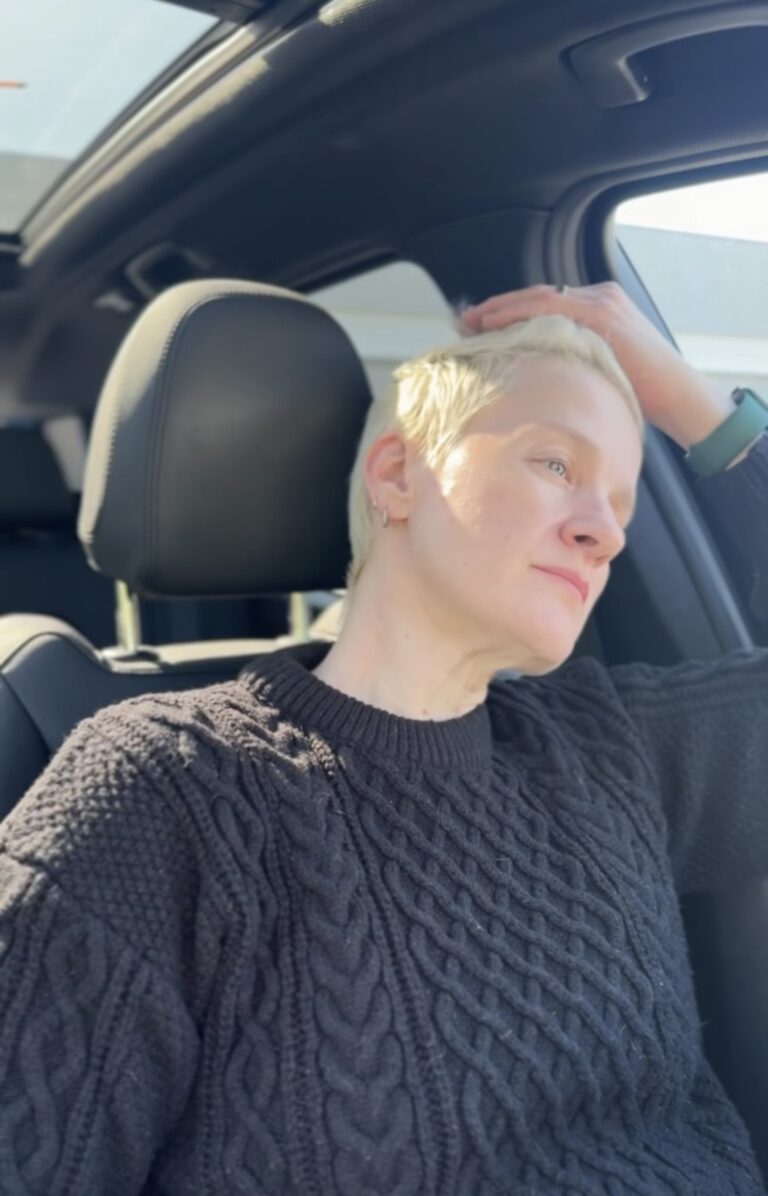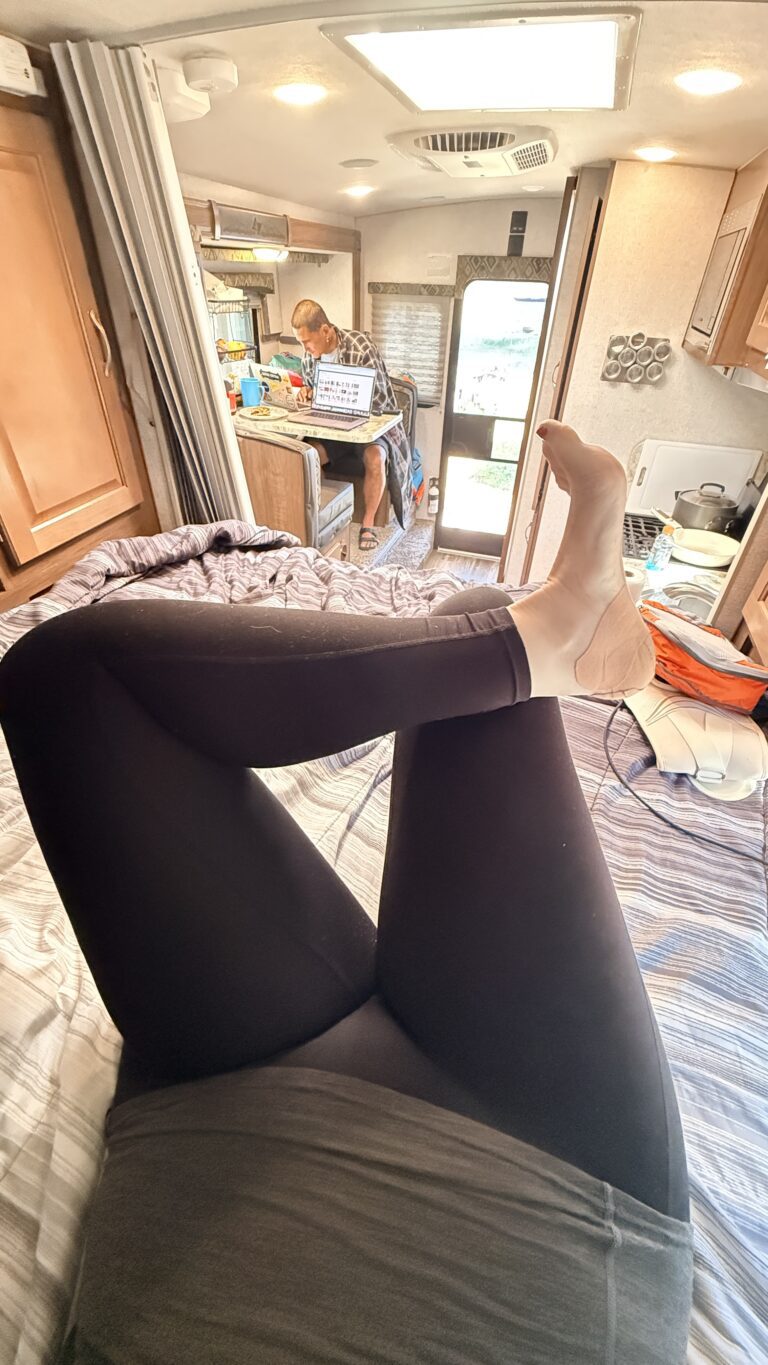
On the list of things we thought we’d have to worry about, weight gain after 50 wasn’t on our Bingo card because we were really active.
Our family has been traveling the world full-time since 2016.
Ten years. 39 countries. 4 continents.
RVs across the US, backpacks through Southeast Asia, month-long rentals in places most people visit for a week.
During that time, Shawn, our children, and I walked everywhere. Not because we were trying to be healthy. Because that’s how you get around when you don’t have a car.
Two miles on a light day. Ten miles when we were navigating a new city or hauling everything we owned from a train station to wherever we were staying.
We didn’t think of it as exercise.
It was just how we moved through the world every day.
Two months ago, we came back to the states to settle down for a few years.
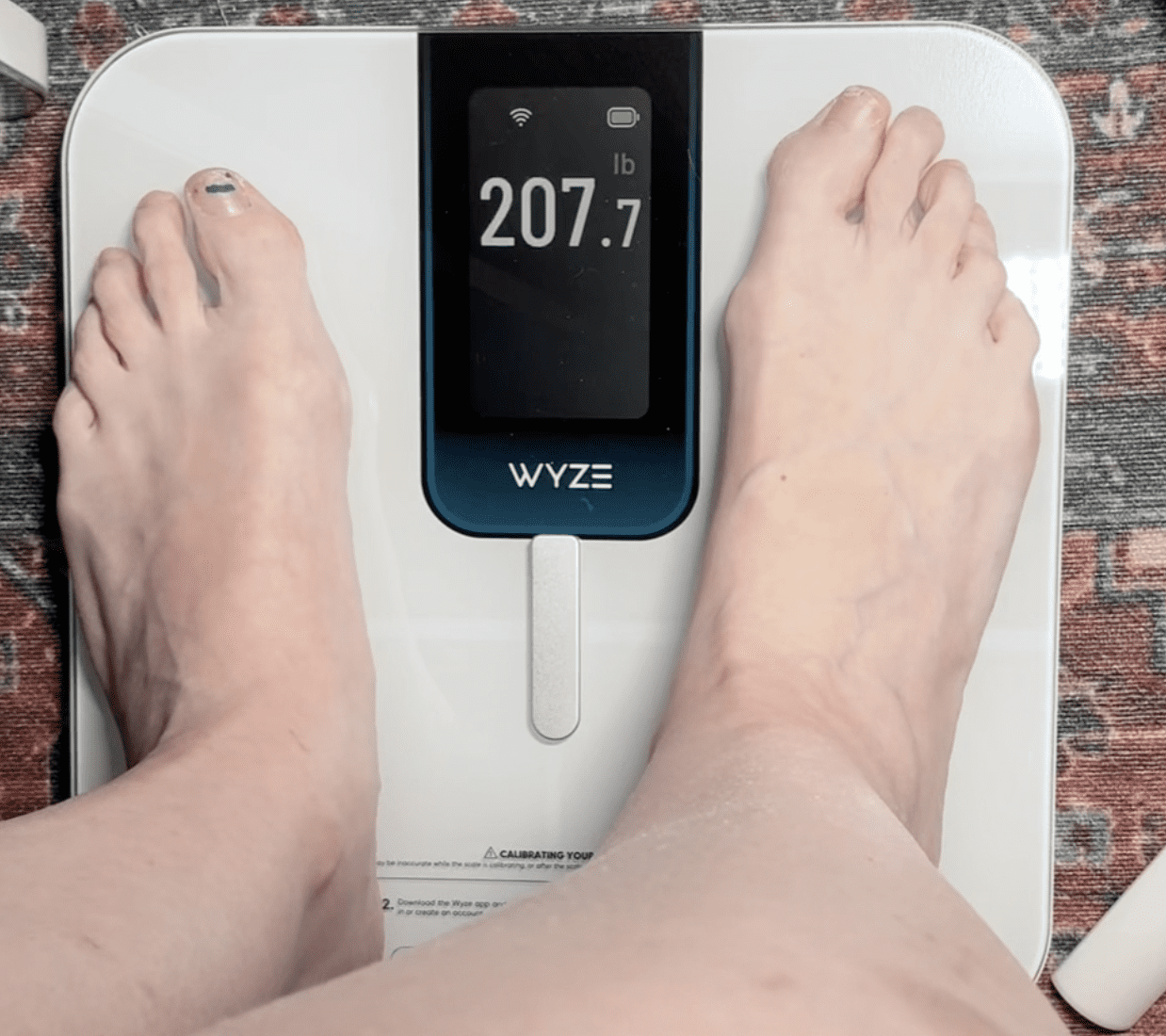
In that short time, Shawn has gained 10 pounds and I’ve gained 15.
Weight gain after 50 is driven by hormonal shifts in estrogen and testosterone, a sudden drop in daily movement when you live in a car-dependent environment, and lower-quality food ingredients in the US food supply. It’s not just calories. It’s not just willpower. It’s everything around you changing at once.
The Hidden Cause of Weight Gain After 50
Every doctor visit after 50 gets the same script.
Eat less. Move more. Watch your portions.
That advice assumes one thing.
That the problem is you.
It’s not.
What nobody explains is that three things hit at the same time after 50.
Your hormones shift. Your environment demands less movement. And if you live in the states, the food supply is working against you even when you’re cooking at home.
We lived in 39 countries over 10 years. We ate out constantly. We tried every street food stand, every market, every local restaurant. We were not “eating clean” by any wellness influencer definition.
And we were thinner.
Two months back in the US, both of us are heavier.
Shawn is doing more intentional exercise than he’s ever done. I’m cooking at home. Neither of us is sitting on the couch.
The difference isn’t discipline.
The difference is everything else.

What Happened to Shawn
Shawn is 56.
He goes on a brisk one to two mile walk every single morning. He does pushups before he starts his day. He takes the stairs. He is paying attention to what he eats.
He is doing more intentional exercise now than he ever did while we were traveling.
And he’s gaining weight anyway.
When we were on the road, none of that was a routine he had to build into his day. It was just his day. Walking was transportation. Stairs were how you got to the fourth floor. Movement was constant and unavoidable.
Now he’s putting in real effort and the scale is going the wrong direction.
For men after 50, testosterone drops.
The decline picks up speed.
Lower testosterone means less muscle maintenance. It means slower metabolism. It means fat storage shifts to the midsection.
According to the Cleveland Clinic, men lose 3 to 8 percent of their muscle mass per decade.
Shawn is losing muscle even while doing pushups every morning.
What Happened to Me
I was already carrying an extra 40 pounds that menopause put on me over the last four years.
Forty pounds that showed up while I was doing all the same things I’d always done.
Eating the same. Moving the same. Watching the scale climb anyway.
Now there’s another 15 on top of it. Two months back in the states.
At 52, declining estrogen and testosterone contribute to a loss of muscle mass. The Mayo Clinic explains it clearly. Less muscle means fewer calories burned at rest. Fat storage shifts to the abdomen. You may need 200 fewer calories a day in your 50s than you did in your 30s just to maintain the same weight.
The Obesity Medicine Association confirms that men typically lose weight faster than women on the same program because they start with more muscle and a higher metabolic rate.
That doesn’t mean it’s easy for Shawn.
It means the biology is different. The frustration is different. The approach needs to be different.
We’re in the same house. Eating the same food. Living the same car-dependent life.
Our bodies are responding to it in completely different ways.
The Infrastructure Problem: Why Moving to America Changed Our Biology
Moving from a walkable environment to a car-dependent one creates immediate metabolic shifts.
A study published in the American Journal of Public Health tracked over 136,000 women. People living in sprawling suburban areas are significantly more likely to be overweight than those in walkable neighborhoods. Overweight rates jump from 35% in walkable areas to 60% in sprawl.
That happens independent of personal discipline.
Daily ambient movement, the kind you don’t schedule or think about, accounts for far more caloric expenditure than intentional gym sessions.
We spent a decade on the walkable side of that equation.
Two months on the sprawl side and both of us are already heavier.
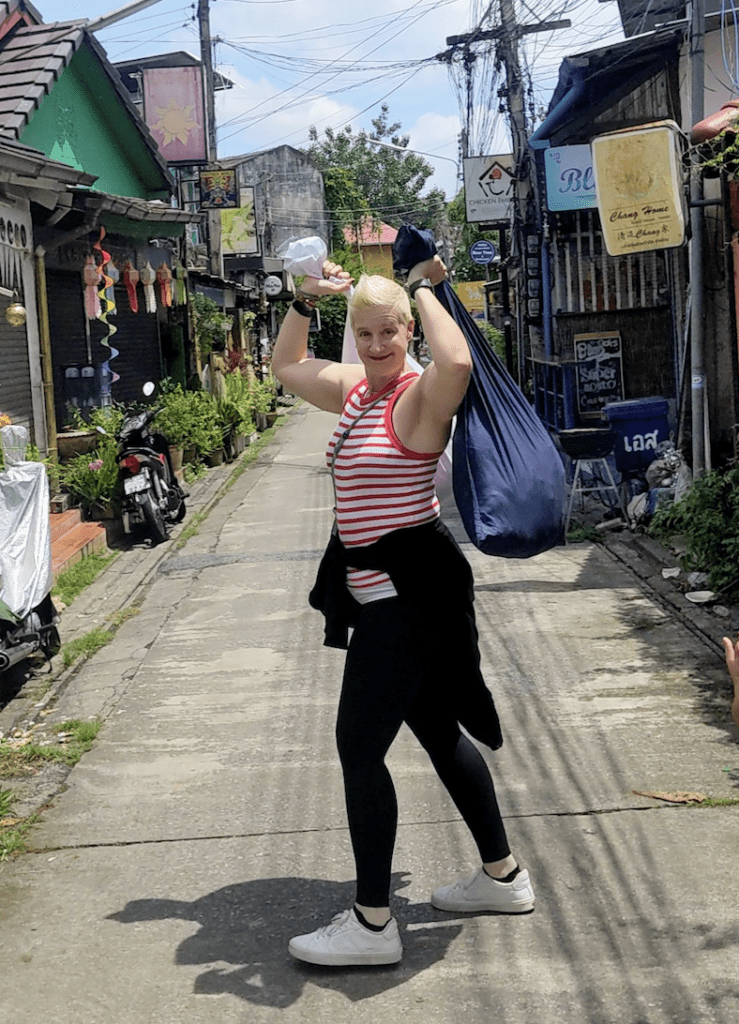
In the countries we traveled through, walking is part of the infrastructure. In Bangkok, there are pedestrian walkways above the roads and underground walkways below them. Trains above ground and below ground. People walk on railroad tracks, along streets with no sidewalks, and cars simply move around the pedestrians because pedestrians are everywhere.
People wear flip-flops, not tennis shoes. People over 50 do not routinely rely on mobility devices to get around.
People are noticeably thinner. Not because they’re dieting. Because their daily lives require movement.
In the states, that infrastructure doesn’t exist in most places.
You need a car to get groceries. You need a car to get to the gym where you’ll walk on a treadmill. You need a car to get to the park where you’ll go for a walk, which used to just happen as part of your day.
A study published by the National Institutes of Health found that 10,000 steps a day may not be enough for postmenopausal women. The research suggested that women after menopause may need as many as 12,500 steps daily just to combat weight gain after 50.
When we were traveling, we were hitting that without trying.
Walking to the market. Walking home with groceries. Walking up four flights of stairs because lots of places didn’t have elevators.
In Raleigh, I’m lucky to hit 3,000 steps unless I intentionally go for a walk or do laps at a grocery store.
Shawn’s morning walks get him to maybe 5,000.
That’s still less than half of what we were doing when walking was just how we lived.
Standard Medical Advice vs. Our Lived Experience
The standard advice for weight gain after 50 is predictable.
Create a calorie deficit. Join a gym. Watch your portions. Talk to your doctor about your metabolism.
That advice treats the problem like a math equation. Fewer calories in, more calories out, weight loss.
Our experience says otherwise.
While traveling, we ate more. We tried every street food stand, every bakery, every market meal. We weren’t counting macros. We weren’t restricting portions. We were eating bread in France, pasta in Italy, rice dishes across Southeast Asia.
We were also walking five to ten miles a day without thinking about it.
Not as exercise. As life.
Now we’re back. Shawn is working out intentionally. I’m cooking at home. We’re both paying more attention to what we eat than we ever did on the road.
And we’re both heavier.
The two levers that actually matter are not the ones the doctor’s office talks about.
Environmental movement. The kind that’s built into your day without a gym membership.
Ingredient quality. The difference between bread that has four ingredients and bread that has twenty-two.
“Eat less, move more” doesn’t account for either one.
The Food Isn’t the Same Either
Every time we come back to the states, we notice the same pattern.
We need a car. We walk less. And even when we cook the same meals, our bodies respond differently.
Because the ingredients are not the same.
Bread in Europe is not the same as bread in the US. The ingredient list on a loaf in France would barely fill one line on a label. The ingredient list on a loaf at a store here doesn’t say flour, salt, water, and yeast. It lists off ingredients that sound like chemicals.
Olive oil in Greece is olive oil. Some of what’s sold as olive oil in the states isn’t real. It’s blended, diluted, or mislabeled. You think you’re cooking with the same ingredient you used overseas. You’re not.
Honey in Australia is honey. The little bear bottle at the grocery store here isn’t. It’s been ultra-filtered, cut with corn syrup, or processed until there’s nothing left in it that resembles what bees actually made.
Those are just three examples.
We cook the same recipes here that we cooked in other countries. The food looks the same on the plate. It is not the same in the ingredient list.
We didn’t just stop walking. We moved back to a country where the default food supply is lower quality, the default transportation is a car, and the default lifestyle is sedentary.
All at once.
Should We Just Try a GLP-1?
Should we get on Ozempic? Or Wegovy? Or Mounjaro?
We’ve talked about it. More than once since we’ve been back.
Shawn even brought it up again this morning because he read a study that GLP-1s help with other medical issues beyond weight.
GLP-1 medications work. The WHO recommended long-term use of GLP-1 drugs for people with obesity in December 2025, alongside behavioral therapy.
But we don’t usually trust the WHO or Big Pharma.
The concern is muscle.
Up to 25 to 40 percent of the weight people lose on GLP-1 medications is lean body mass. Including muscle.
According to Scientific American, clinical trials estimate that within a few years of treatment, people may experience muscle loss equal to 20 years of age-related decline.
At 52 and 56, we’re already losing muscle every year.
Accelerating that is a real concern.
For Shawn, who is actively building muscle every day, a medication that strips 25 to 40 percent of his losses from lean mass would undo the work he’s putting in every morning. If he decides to go on a GLP-1, he’d need an exercise and diet plan focused specifically on preserving lean muscle mass.
For me, with a gastric bypass in 2006 and the absorption issues that come with it, adding a medication that affects how my body processes nutrients is something I’d need to think carefully about. That same absorption issue is part of why collagen supplementation became a priority for me.
We’re not ruling it out. We’re not judging anyone who uses them.
Right now, we want to see what walking more, eating cleaner, and being intentional about movement can do first.
If that doesn’t work, beam me up Scotty!
What This Does to the Rest of Your Health
Weight gain after 50 doesn’t exist by itself.
When you stop moving as much, everything else shifts.
Energy drops. Your body was calibrated to a level of movement it’s no longer getting. Shawn notices it too. Even with his workouts, his overall energy is lower than when daily walking was just how we lived.
If you’re wondering why you’re so tired after 50, the answer might not be your age. It might be your zip code.
Sleep changes. When I was walking five to ten miles a day, I slept hard. Now I’m sitting more, driving more, and sleeping lighter. Poor sleep after menopause feeds weight gain. It’s a cycle that reinforces itself.
Nutrition habits shift. When your life involves daily physical effort, your body tells you what it needs. When you’re sedentary, those signals get quieter. You eat because it’s time, not because your body asks for fuel.
For me, I didn’t snack on fast food as much while traveling. In the states, I’m in the car, and somehow it’s easier to just scooch through Starbucks or Taco Bell than it ever was to walk into a place, stand in line, and wait.
So there’s the mental game too.
Three of our Simple Six pillars, weight loss, energy, and sleep, all affected by one change.
We stopped traveling and started driving.
Our Next Steps: Focus on Movement and Muscle
Because our bodies are doing different things, we’re not doing the same thing.
Shawn is focusing on building and keeping muscle. More protein. Heavier resistance training. Keeping his morning walks, but adding strength work that directly fights the testosterone-related muscle loss working against him.
I’m focusing on consistent daily movement and protein intake.
My body doesn’t respond to exercise the same way Shawn’s does during this phase of my life. Walking more. Eating enough protein to support my muscles. Reducing portions. Being honest about the fact that my body has changed and I can’t fight it with the same tools I used at 40.
Not snacking after 8 pm.
We’re both focused on whole foods and cooking at home. While traveling, we did a mix of eating out and cooking whenever we had a kitchen. In the states, I cook. I control our food. I control the groceries.
Beyond that, we started making changes this week.
When we drive, we park as far away as possible. We take the stairs every time. We walk to the store for small grocery trips instead of driving, which means going more often and carrying less each time.
I’m paying more attention to how my feet feel with all the extra walking, since plantar fasciitis is something I’ve already dealt with.
We’re trying to put walking back into a life that was designed around driving.

If you’re over 50 and the scale has been creeping in a direction you can’t explain, start with two things.
Look at how much you’re actually walking in a day. Not how much you think you are.
And flip over three things in your kitchen, the bread, the oil, the honey, and read the ingredients.
You might be surprised by both answers.
What have you noticed about your own body since turning 50 that nobody warned you about? We want to know.
Disclosure: GutBeautyBody content is written from personal experience and research. We are not medical professionals. All factual health claims are sourced from peer-reviewed research and reputable health organizations. Read our full Medical Disclosure here.
Disclosure: This post contains affiliate links. If you purchase through our links we may earn a small commission at no extra cost to you. We only recommend products Wendy personally uses and believes in. Read our full Affiliate Disclosure here.
[AFFILIATE DISCLOSURE]