I flew from Seattle to Chiang Mai in early September 2025, and by the time I landed from our 2nd flight and 23 hours of travel, my left foot and leg were on fire.
It had been building for a while. Years of constantly wearing shoes, including slides or slippers inside and shoes outside. The menopause weight I’d been carrying for four years. Lifting and hauling everything we owned to sell, pack, and prep for traveling again. Dragging backpacks through airports, train stations, and up stairwells in buildings with no elevators.
It all hit at once.
I had massive leg cramps that no amount of massaging or stretching could work out. I could barely walk without pain.
The day after we were settled, I went and got a massage to see if it would help. Massages seemed to make it worse. This was crazy.
I went to a doctor in Chiang Mai a couple of days after my massage. We ran blood work to check my potassium and magnesium levels. They were normal. They sent me back to our Airbnb and told me to rest it for a few days, and it would probably work itself out.
I knew this was not going to be the case because I had a bad flare-up 25 years earlier when I was pregnant with our oldest son. I had walked on a sandy beach, with pregnancy weight, and it took me months to recover and use crutches.
And this… this was worse.
I couldn’t just lie in bed. I did it for 4 days. Foot up, doing foot strengthening exercises. After that, the most I could manage was one, maybe two miles, and the next couple of days I’d pay for it. I’d either stay in and suffer through it, or push through and suffer worse.
The hardest part was watching Shawn and Sebastian leave without me. They’d head out to explore, and I’d stay back because I was in so much pain. That is a specific kind of demoralizing that I wouldn’t wish on anyone. When your body starts dictating what your family does and doesn’t get to do together, it stops being just a foot problem.
Sebastian would constantly ask me why I wasn’t coming, or would return and say ‘you missed it’ or ‘I wish you were there’. And then having Shawn have to do so many things without me.
I owed it to all of us to figure out what was wrong.
Relief came from strengthening my feet, not supporting them. Walking barefoot, doing daily foot exercises, and using tools like gua sha and toe spacers gave me more relief than months of medical advice and hundreds of dollars in orthotics and specialty shoes.
But that isn’t actually where I needed to focus. It was other parts of my body that actually fixed my feet. Crazy right?
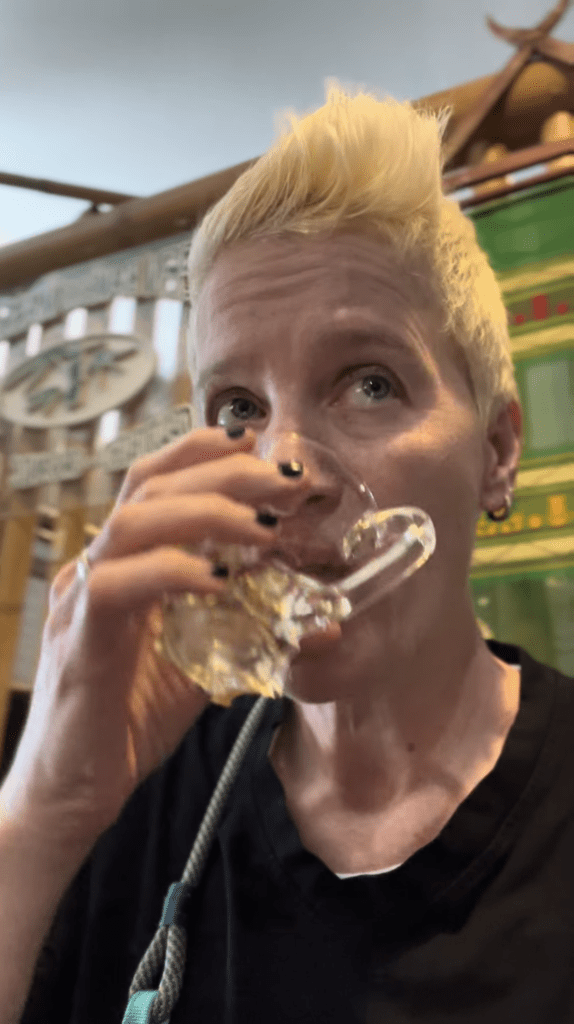
Disclosure: This post contains affiliate links. If you purchase through our links we may earn a small commission at no extra cost to you. We only recommend products Wendy personally uses and believes in. Read our full Affiliate Disclosure here.
What the MRI Showed
By November, I couldn’t take it anymore. I went to Royal Angkor International Hospital in Siem Reap, Cambodia, and got an MRI on my left foot.
The results were worse than I expected.
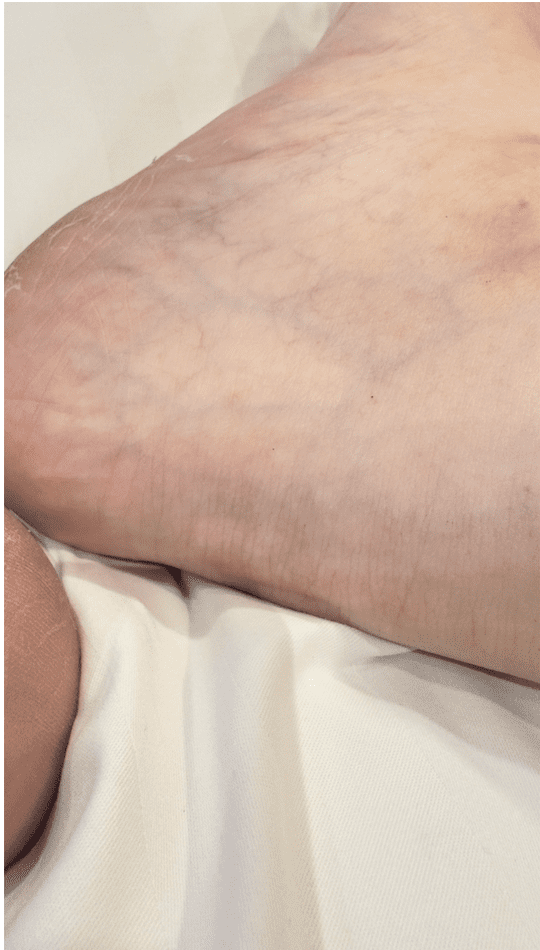
A calcaneal enthesophyte, which is a bone spur, at the plantar fascia insertion. Chronic plantar fasciitis. Ganglion cysts. Bone marrow edema. Fluid buildup in the joints. All in one foot.
The orthopedic specialist gave me three options. Physical therapy. Wave therapy, which uses shockwaves to stimulate healing. Or injections guided by ultrasound. Surgery for the bone spur was not recommended because of the risk and the recovery time.
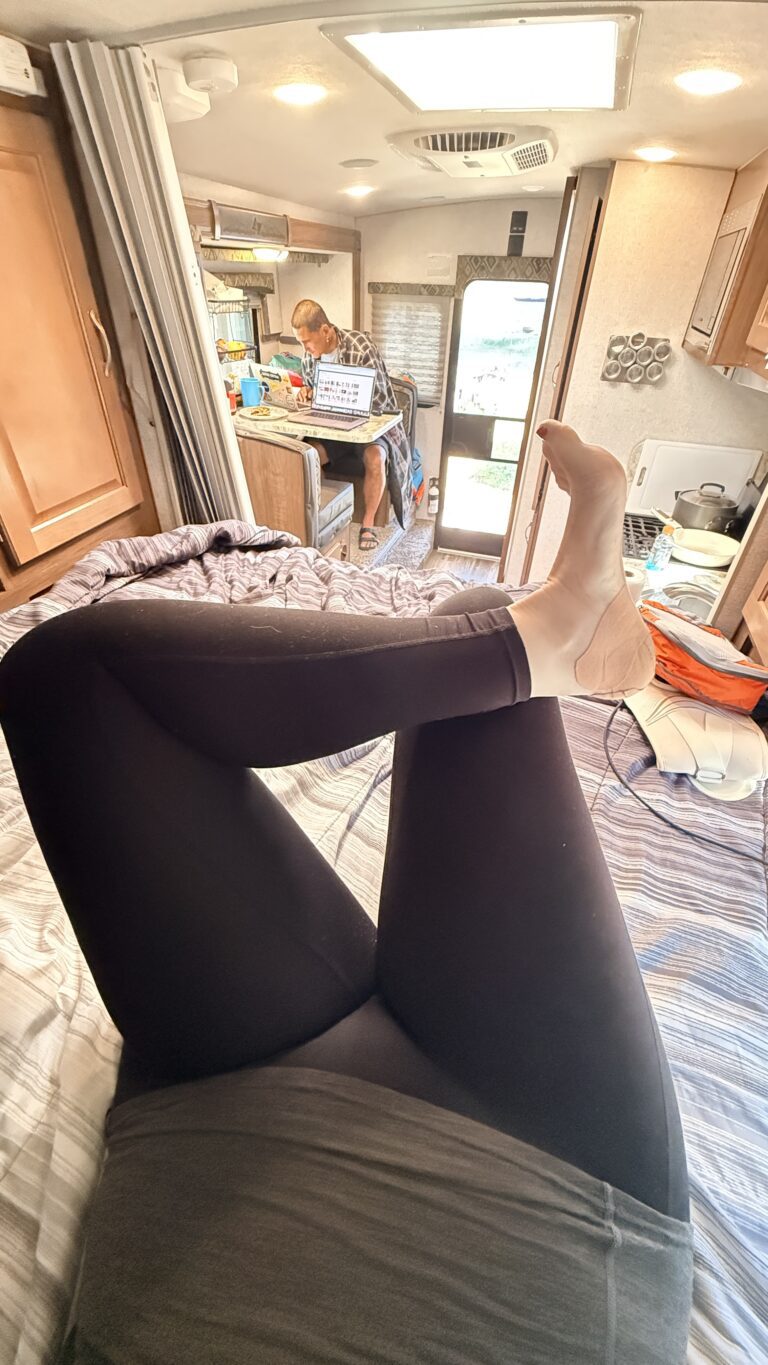
I chose physical therapy. Every other day while we were in Siem Reap, I went to sessions that included massage and hands-on PT. The therapist also showed me how to tape my foot with KT tape to help manage pain and give support while walking.
Those sessions were about $30 USD each. An hour of massage and physical therapy for thirty dollars. I don’t even want to think about what that would cost back in the States.
The wave therapy wasn’t available at that location, and even if it had been, the treatment required frequent sessions over three months. We were only going to be there for two weeks. That option was off the table before it started.
Why Standard Plantar Fasciitis Treatments Fail.
Here is the part that still frustrates me.
I saw doctors and specialists across multiple countries over those months. Cambodia. Thailand. Vietnam. Every one of them recommended some version of the same things. Supportive shoes. Orthotics. Rest. Anti-inflammatories.
Not one of them, in any country, at any visit, mentioned walking barefoot. Not one mentioned going up and down stairs without shoes. Not one talked about changing how I walked or strengthening my feet instead of just stretching them. Not one mentioned gua sha, toe spacers, or foot exercises that could rebuild the muscles I’d been letting atrophy inside supportive shoes for years.
Every piece of advice pointed in the same direction. Support the foot. Cushion the foot. Protect the foot. Stretch the foot. Tape the foot.
None of it pointed toward strengthening the foot. They didn’t even care about all the other issues the MRI pointed toward.
And, they didn’t discuss my calves, my knees, my hips, or my butt. How all of these together wrecked my feet.
Do Orthotics Actually Help Plantar Fasciitis?
I listened to the doctors and I went all in on supportive shoes.
I spent months researching and buying expensive shoes that were marketed specifically for plantar fasciitis relief online. Shoes made specifically for, and approved by, podiatrists and orthopedic doctors.
If you’ve traveled Southeast Asia, you know that finding Western-style supportive footwear in local stores can be a challenge for a size 11 in womens shoes. So I ordered online, waited for shipping, and tried pair after pair.
Hundreds of dollars for each pair of shoes supposedly designed for my specific issues. Recommended by doctors. Plantar fasciitis shoes. High arch support. Cushioned heels. The ones that every podiatry website recommends.
They made it worse.
Not a little worse. Noticeably, measurably worse. More pain. More stiffness. Less mobility. My feet were getting weaker inside shoes that were doing all the work for them.
According to the Cleveland Clinic, as you age, your plantar fascia becomes less flexible, more prone to damage, and more likely to develop plantar fasciitis. You also gradually lose the natural fat pad cushions on the bottom of your feet.
A clinical trial studying plantar fasciitis specifically in the aging population found that arch support is ineffective as a long-term strategy for reducing foot pain and can actually lead to intrinsic foot muscle atrophy. The same study noted a 50% recurrence rate for plantar fasciitis.
Fifty percent! Half the people who get it will get it again, and the standard treatment of bracing and arch support may actually make recurrence more likely.
I was living proof of that research before I ever read it.
Does Walking Barefoot Help Plantar Fasciitis?
We traveled to Vietnam for a week, and the hotel had a strict policy. No shoes indoors. Barefoot or socks only. And the owner was there watching, day and night.
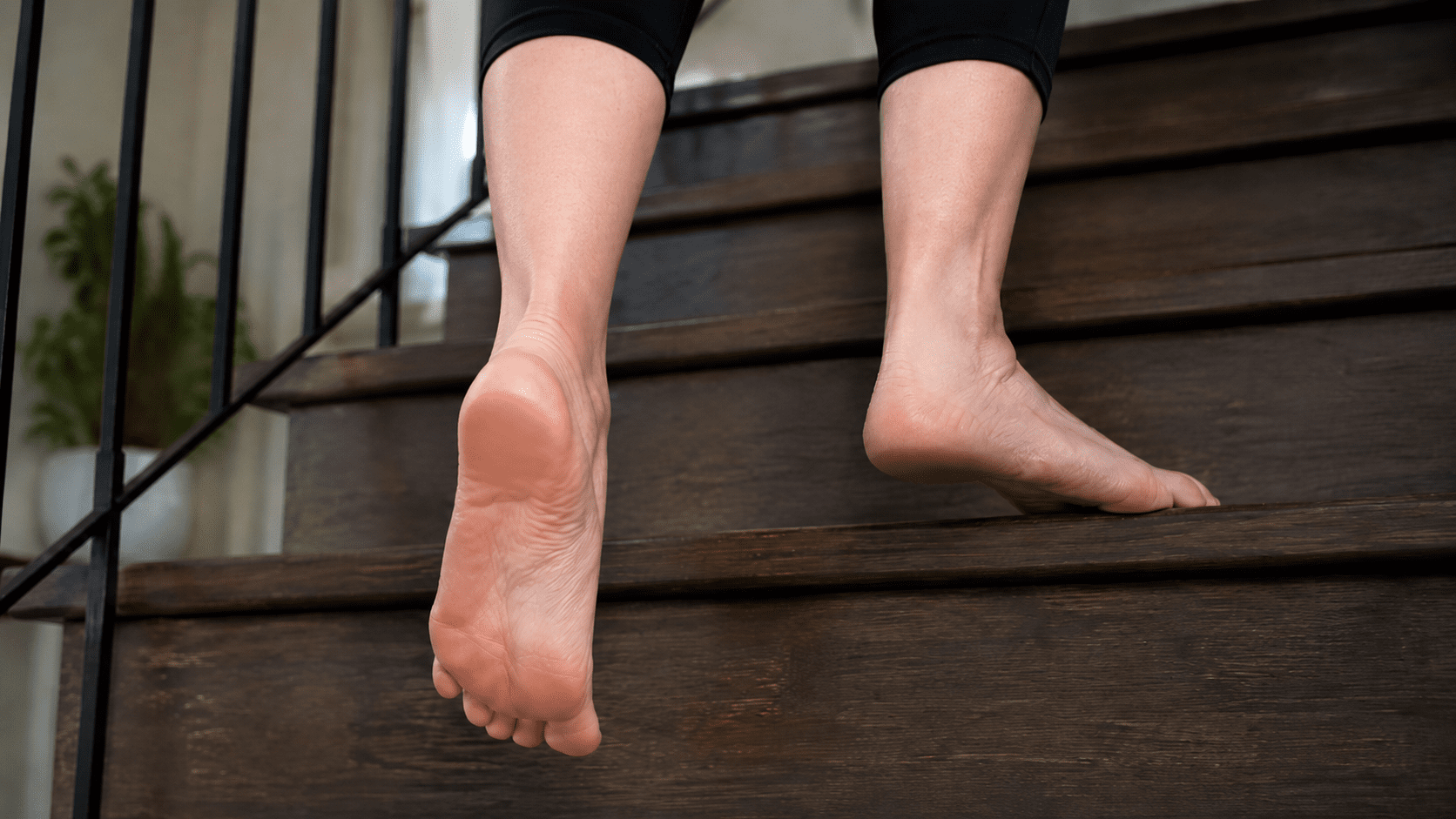
I was worried. We were also on the fourth floor, which turned out to be about six flights of stairs. No elevator. Barefoot. Multiple times a day.
And, Shawn wasn’t with us. He had a tear in his passport and was held back in Thailand. That’s a whole other story for another day.
Anyway, I had to do all the errands, do everything with Sebastian, get all our food, carry bottles of water up and down those stairs, along with all of our baggage. I wanted to cry.
So, I sucked it up. We went up and down those stairs about 5 times that first full day. That night, I actually slept without pain in my calves.
After just two days, my feet started getting stronger. The knots in my calves that I had been fighting for months finally disappeared.
I could feel relief for the first time since September. Not all the way. Not cured. But measurably, noticeably better in two days of walking barefoot and going up and down stairs without shoes.
I’d walked much farther all over Thailand and Cambodia and only felt worse.
Not a single doctor in any country told me to take my shoes off indoors.
Not one online resource I’d read suggested going barefoot up and down stairs.
A hotel shoe policy in Vietnam did more to help with my foot pain than months of medical advice and hundreds of dollars in specialty footwear.
The Online Foot Specialists Who Also helped
After Vietnam, I started searching differently. I stopped looking for podiatrists recommending orthotics and started looking for foot specialists who questioned the standard approach.
I found them on Instagram. Foot doctors and movement specialists who don’t believe in orthotics as a first-line treatment. They teach foot-strengthening exercises instead of foot bracing? They explain why so many people develop chronic foot problems after 50. Things like decades of wearing supportive shoes have weakened the muscles that were supposed to do the work. Doing Stretches that don’t actually strengthen.
Their approach made more sense to me than anything a doctor had told me in person. Strengthen the feet. Use them the way they were designed to be used. Stop outsourcing the job of your foot muscles to a piece of rubber and foam.
Calves, knees, hips & Glutes oh my
If you have persistent foot pain and are doing all the above and more, yet still limping in pain, you need to focus elsewhere.
Walking up those stairs in Vietnam showed me that my calves were a major part of my problem, but it still didn’t take away my foot pain. It helps, but I was still limping each day.
I started focusing on my Knees – they were weak. Years of being overweight and walking incorrectly (watch your gait – how you walk), which hurts not only your knees, but also your feet, hips, and back as well. Look up ‘exercises to strengthen your knees for plantar fasciitis’. It was that simple to start finding the right movements and routines to relieve foot pain.
I did the same for my hips and buttocks/glutes. And within days, the pain relief was dramatic.
My Plantar Fasciitis Relief Routine Now
Here is what I actually do now and what’s given me some relief until I can get in to see a specialist here in the States.
Kinesiology Tape when I need it. I used to tape daily, but with consistent foot exercises I don’t need to anymore. I tape when my foot is sensitive or when I’ve spent a long day in shoes and stressed it.
Gua Sha every night. One to two minutes on each foot and up through my calves and legs. A randomized clinical trial found that gua sha was superior to other manual therapy techniques for reducing plantar fasciitis pain. For me, it’s become a nightly ritual that I notice immediately when I skip.
Toe spacers a couple of times a week, usually in the morning for m. Research published in the American Journal of Case Reports found that consistent use improved outcomes for both plantar fasciitis and bunions by redistributing pressure when standing.
Foot roller a couple of times a week. Rolling the bottom of my foot for a few minutes breaks up tightness, relieves tension in the fascia, and increases blood flow.
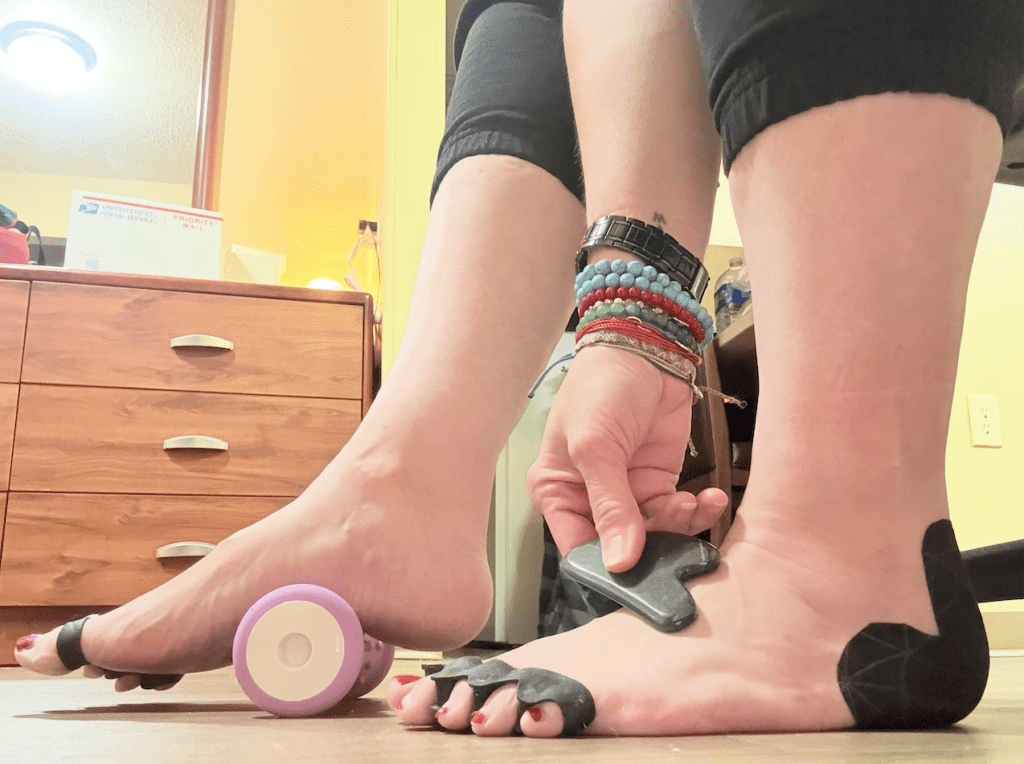
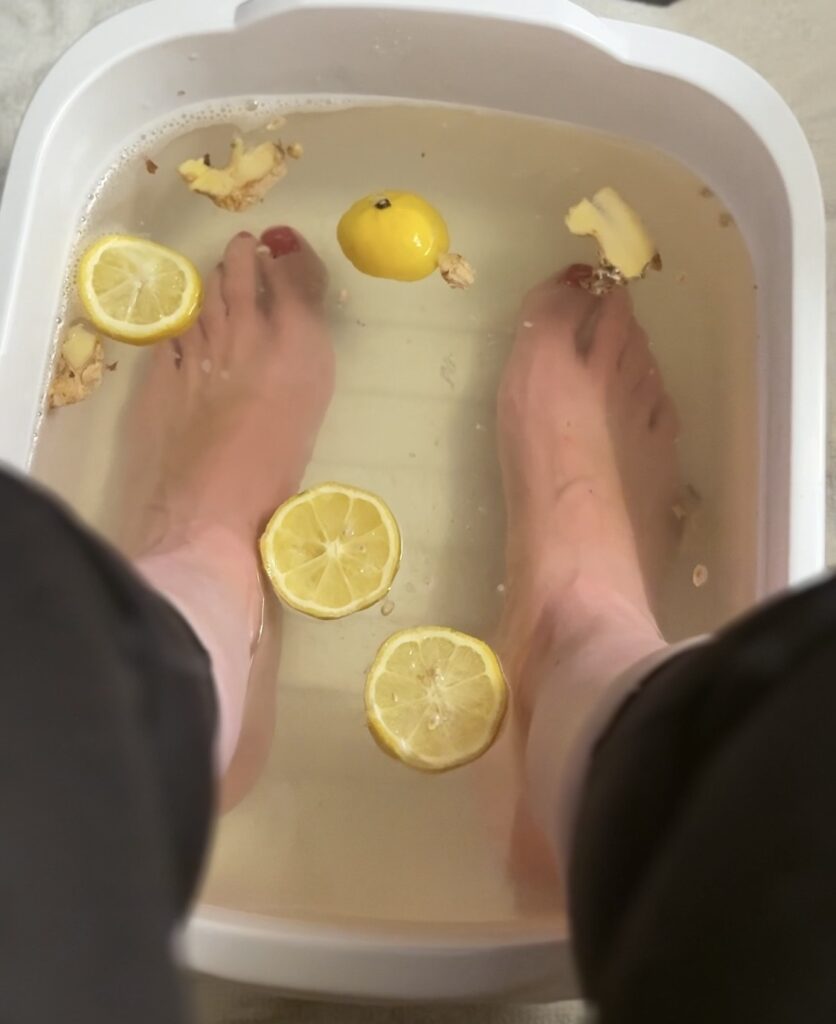
Daily foot exercises from the specialists like this guy, and I do foot soaks in Epsom Salt, Baking Soda, ginger root, and lemon juice.
I also try changing how I step. I try to use my toes more, focusing on which part of my foot I’m using and how my toes are splayed. I go up and down the stairs every chance I get and do a few calf stretches on them as well
And adding in knee, hip, and glute strengthening exercises for plantar fasciitis. Depending on your gait and your specific foot pain (you may not have the same issues I have), you can fine-tune your routine.
If you’re dealing with plantar fasciitis, bone spurs, or chronic foot pain after 50, here is what I wish someone had told me before I spent months and hundreds of dollars following advice that didn’t work.
Question the orthotics-first approach. Ask your doctor about foot strengthening instead of just foot bracing. If they dismiss it, find a specialist who doesn’t.
Try walking barefoot indoors. Start slow. Pay attention to how your feet feel after a few days without slippers and house shoes. It hurts a lot at first. But you will start noticing your foot getting stronger.
Look up foot specialists on Instagram and YouTube who teach strengthening exercises, use tension bands, and do not advocate only massage and stretching.
There is an entire community of practitioners who approach treating plantar fasciitis differently from the standard recommendation, and they support their approach with research and results.
Try gua sha on your feet and calves at night with oil or lotion. Try toe spacers. Try a foot roller. These are inexpensive tools that cost less than one pair of shoes, which made my feet worse.
And if it starts affecting your family the way it affected mine, know that the emotional weight of that is real and valid and worth talking about. It’s not just a sore foot. When you can’t keep up with the people you love, it changes how you feel about yourself. Getting your mobility back changes everything.
Nobody told me any of this. Not one doctor in any country. I had to find it myself. Now you don’t have to.
Why Does Plantar Fasciitis Get Worse After 50?
Plantar fasciitis gets worse after 50 because the plantar fascia loses elasticity, and the natural fat pads on the bottom of the feet thin out with age. Additionally, menopause weight gain places compound stress on these weakening tissues, accelerating inflammation and making recovery take much longer.
I started this journey because my foot hurt. What I learned is that foot health after 50 affects everything.
According to Johns Hopkins Medicine, plantar fasciitis is one of the most common causes of heel pain, and it becomes more likely as you age. The plantar fascia becomes less flexible. The fat pads on the bottom of your feet thin out. Bone spurs, like the one I have, are a common side effect of aging and the body’s attempt to repair tissue damage from years of wear and tear.
When your feet hurt, your energy drops because every step costs you something. You move less, which means you gain weight, which puts more stress on your feet, which makes the pain worse. It’s a cycle that accelerates after 50. If you can’t walk comfortably, the ripple effect touches your sleep because inflammation keeps you up, your weight because you can’t stay active, and your daily energy because pain is exhausting even when you push through it.
That’s three of the Simple Six, energy, weight loss, and sleep, all directly connected to what’s happening with your feet.
Can Menopause Weight Gain Make Plantar Fasciitis Worse?
The short answer is yes, and I’m proof.
The menopause weight I’d been carrying for four years added constant pressure on my feet, my arches, and my plantar fascia. I didn’t connect the two at first because the foot pain felt like its own separate problem. It wasn’t.
Research shows that even 10 to 15 extra pounds increases strain on the plantar fascia with every step – and I added 40! For women over 50 dealing with menopause weight gain, that strain compounds. Your tissues are already losing elasticity. Your fat pads are thinning. Add extra weight on top of that, and your feet are absorbing more impact with less protection.
The worst part is the cycle. Your feet hurt, so you move less. You move less, so you gain more weight. You gain more weight, so your feet hurt worse. I lived in that cycle for months before the Vietnam hotel broke it open.
If you’re dealing with both menopause weight gain and foot pain, they’re probably not two separate problems. They’re feeding each other.
I wrote about the weight side of this in my post weight gain after 50. The connection between foot pain and the problem I had was something I didn’t think would be such a real problem until I’d been through it.
Bottom Line
Getting relief from plantar fasciitis after 50 isn’t about finding the right shoe. It’s about rebuilding the foot strength that decades of supportive footwear have taken away. Walking barefoot indoors, doing daily foot exercises, and using inexpensive tools like gua sha and toe spacers did more for me than months of medical advice and hundreds of dollars in specialty shoes. If your doctor’s only answer is orthotics, keep looking.
Frequently Asked Questions
How long does plantar fasciitis take to heal?
Most cases of plantar fasciitis improve within 6 to 12 months with consistent treatment, but that timeline assumes you’re doing the right things. If you’re only resting and wearing orthotics without strengthening your feet, recovery can stall or the condition can return. I saw meaningful relief within days of walking barefoot and doing daily foot-strengthening exercises after months of following standard medical advice that wasn’t working.
Can Plantar Fasciitis Go Away on Its Own?
It can, but most cases don’t resolve without some kind of intervention. Research shows that 70 to 80 percent of people see improvement within 9 to 12 months, but that timeline assumes you’re actively doing something, not just waiting it out. Mine got progressively worse over several months of rest and standard medical advice. It didn’t start improving until I changed my approach entirely and began strengthening my feet instead of just supporting them.
Can weight gain cause plantar fasciitis?
Yes. Carrying extra weight puts significantly more strain on the plantar fascia with every step. Research shows that a BMI of 30 or higher increases your risk of developing plantar fasciitis by nearly six times compared to someone at a normal weight. For women over 50 dealing with menopause weight gain, the risk compounds because the plantar fascia is already losing elasticity and the fat pads on the bottom of your feet are thinning. I wrote about how weight gain after 50 affected both Shawn and me in my post on weight gain after 50, and the foot pain connection was something I didn’t fully understand until I’d been through both.
What Causes Plantar Fasciitis to Flare Up?
The most common triggers are prolonged standing on hard surfaces, sudden increases in activity, wearing unsupportive shoes, and weight gain. For me, the flare-up that started this whole journey came from a combination of long-haul flights, hauling heavy bags through airports and train stations, menopause weight, and years of wearing shoes that did all the work my foot muscles should have been doing. Once you understand your specific triggers, you can manage flare-ups instead of just reacting to them.
Is It OK to Walk with Plantar Fasciitis?
It depends on how and where. Walking in supportive shoes on hard surfaces made mine worse. Walking barefoot indoors on natural surfaces is what finally started to give me relief from plantar fasciitis. The key is paying attention to how your feet respond. If every step makes the pain worse the next day, something about how or where you’re walking needs to change. Start slow, listen to your feet, and don’t push through pain that gets progressively worse.
Do Foot Soaks Help Plantar Fasciitis?
Epsom salt foot soaks are among the most commonly recommended home remedies for plantar fasciitis, and research suggests that Epsom salt baths have anti-inflammatory properties that can help relieve pain in joints and connective tissue. I do soaks a few times a week using Epsom salt, baking soda, ginger root, and lemon juice or apple cider vinegar in the hottest water I can handle for about 30 minutes. They don’t fix the underlying problem on their own, but combined with foot exercises, gua sha, and going barefoot indoors, they’re a consistent part of what keeps my feet feeling better.
Disclosure: GutBeautyBody content is written from personal experience and research. We are not medical professionals. All factual health claims are sourced from peer-reviewed research and reputable health organizations. Read our full Medical Disclosure here.
Disclosure: This post contains affiliate links. If you purchase through our links we may earn a small commission at no extra cost to you. We only recommend products Wendy personally uses and believes in. Read our full Affiliate Disclosure here.