Disclosure: This post contains affiliate links. If you purchase through our links we may earn a small commission at no extra cost to you. We only recommend products Wendy personally uses and believes in. Read our full Affiliate Disclosure here.
After 50, our digestion slowed down, and the foods we’ve eaten our whole lives started asking more of our gut than it wanted to give.
Once we understood why, it stopped feeling so confusing.
Why Am I Suddenly Sensitive to Foods I’ve Always Eaten with no problem?
Most food reactions as we age are not new allergies. Digestive enzyme and stomach acid production naturally decline starting in your fifties, and that slower processing is what causes the bloating, gas, and discomfort from foods you have always tolerated.
That one sentence took us a while to land on.
For a long stretch, we just assumed something was wrong with us. We started looking at taking more supplements, getting blood work done, cutting back on spicy or gassy foods.
Why Digestion Slows Down After 50
Research on aging and digestion is fairly consistent on this.
Pancreatic enzyme output drops as we get older, and so does stomach acid production. Clinical studies have found that digestive function begins declining as early as the fifth decade of life.
Less enzyme activity means food breaks down more slowly.
Slower breakdown means more time for fermentation in the gut, and that fermentation is exactly what produces the gas and bloating that catches people off guard.
It is not a flaw. It is just a slower system doing the same job it always did.
Legumes and beans are a clear example of why this happens. They are high in a type of fiber the body can’t fully break down on its own, so it travels into the gut where bacteria ferment it. That fermentation is what produces gas. A digestive system with strong enzyme output processes more of that fiber before it reaches the gut. A slower system sends more of it through undigested, which means more fermentation and more gas on the other end.
What This Actually Looks Like for Us
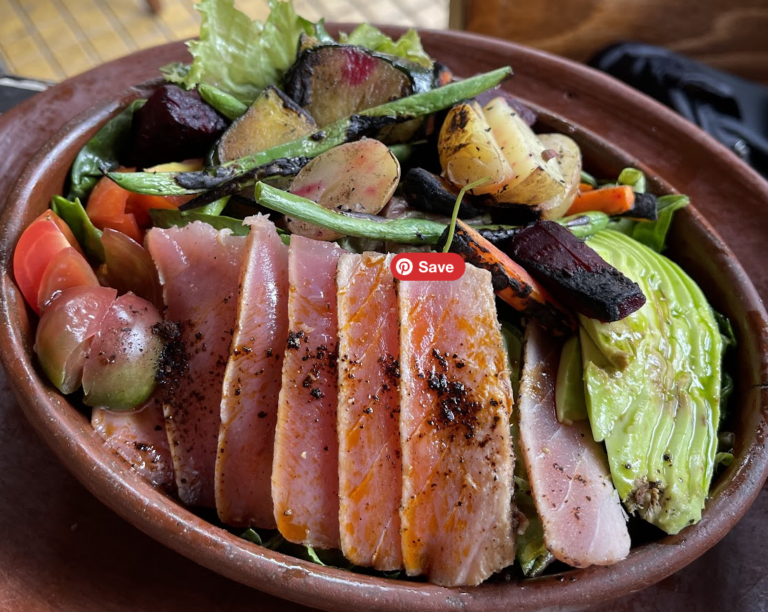
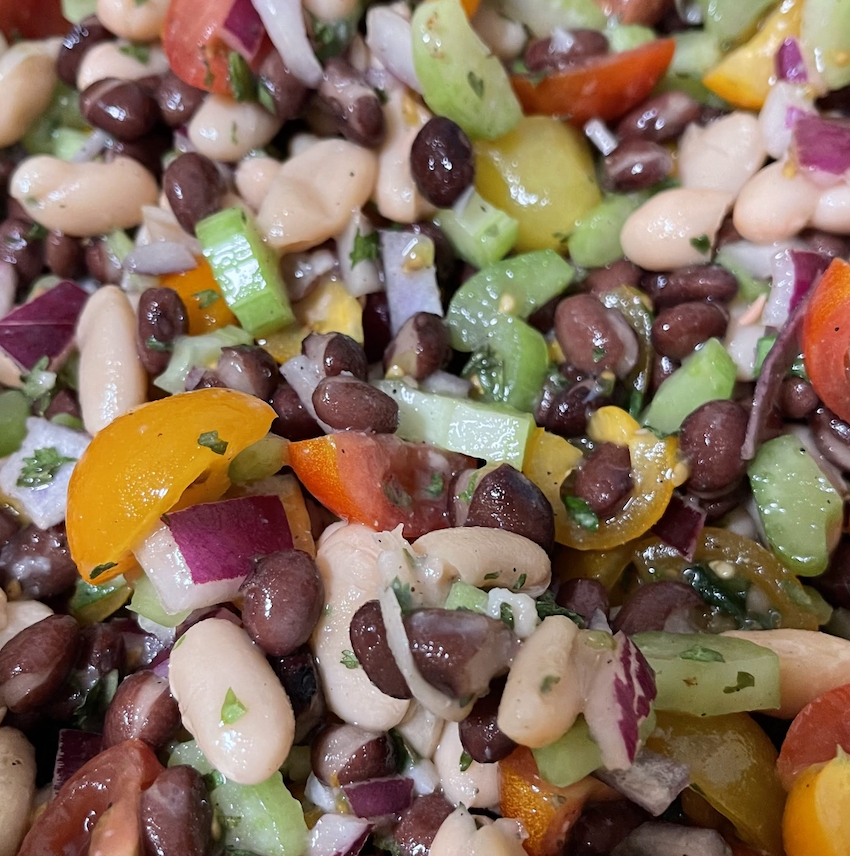
For me, it is vegetables and legumes. I make a variety of Buddha bowls and dense protein bean salads. I love it for the menopause and hormone support, plus the protein, and it is one of the worst offenders. The more I eat it, the more gas and bloating I experience, and my digestion noticeably slows afterward.
I also had abdominal surgery years ago, and scar tissue from procedures like that can affect how well the body processes and absorbs food for years afterward. That history is part of why my gut needs more support than it used to.
Shawn deals with it differently.
Sugar and fried food hit him harder than they used to. He describes it like a hangover, even though there is no alcohol involved.
Spicy food gets both of us now easier. Heartburn comes on faster than it ever did before, which lines up with what gastroenterologists say happens to the digestive tract as it ages. The tissue becomes more sensitive to the compounds in spicy food, and the muscle that keeps stomach acid where it belongs weakens over time.
None of this means we are sensitive to these foods the way someone with a true allergy is.
It means our bodies need more help processing what we have always eaten.
This is one of my favorite nutrient-dense bean salads, but, while it’s providing me protein, fiber and lots of flavor – it’s also giving me gas. I need to make sure I take digestive enzymes or that I’m taking my probiotics daily to help minimize it.
It’s Not a New Sensitivity, It’s Slower Processing
This is the distinction that changed how we think about it.
We’re not cutting out vegetables, sugar, or spice.
We are supporting digestion that used to handle all of it without any help.
When we skip our prebiotics or digestive enzymes, the old symptoms come right back within a day or two.
When we take them consistently, most of it settles down.
What Actually Helps With Food Sensitivities After 50
For me, that means a probiotic and a prebiotic, taken every day, not just when something already feels off.
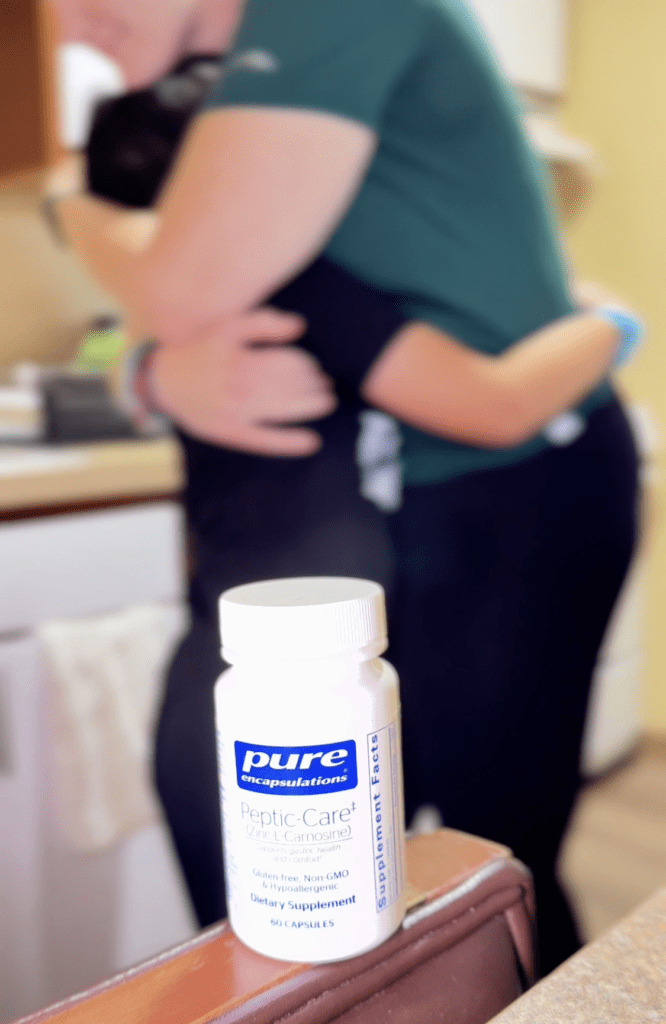
I also keep Peptic-Care by Pure Encapsulations on hand. Too much coffee, too much bread, too much of anything nowadays seems to bring on stomach acidity that can edge toward an ulcer for me, and this supplement is part of how I manage it. It has zinc in it, which helps with immune system support, wound healing, sensory functions, metabolism & digestive
If an ulcer does flare, it’s painful. I avoid ibuprofen and anything else in that family of pain relievers. Research shows NSAIDs like ibuprofen can irritate the stomach lining and raise ulcer risk, especially for anyone who already has a history of ulcers.
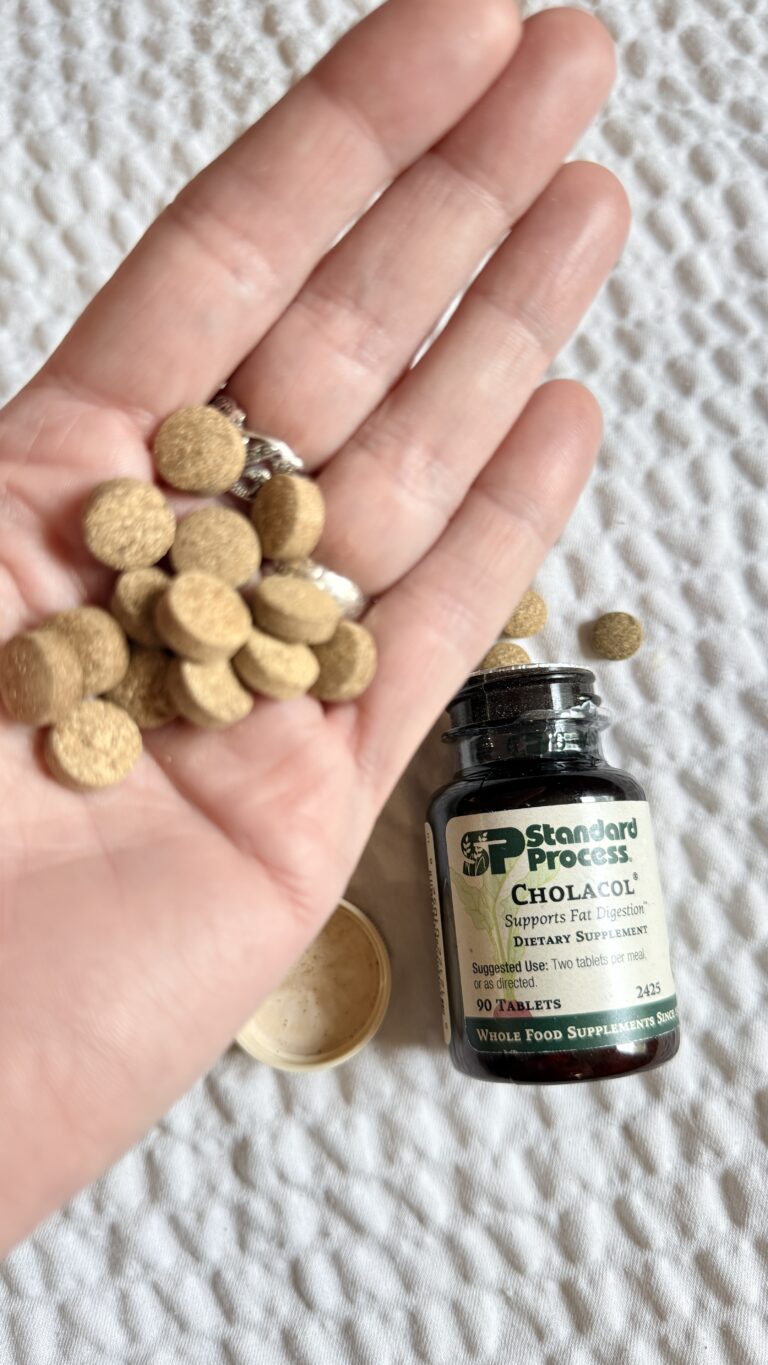
Shawn leans on digestive enzymes when he knows sugar or fried food is coming, which works best taken before the kind of meal he already knows will hit him hard. I also use them when I know I’m going to be eating foods like my bean salad or high fiber foods.
The prebiotic and probiotic do different jobs, which took us a minute to understand. A probiotic adds live bacteria to the gut. A prebiotic feeds the bacteria already there so they function better. Taking both together, rather than just one, is part of why this has worked more consistently for us than probiotics alone ever did.
None of this is complicated, but you have to pay attention to your body, what you put into it, and be consistent. An ounce of prevention is worth a pound of cure.
What This Comes Down To
Food sensitivities after 50 are rarely about new allergies. Most of the time they are a sign that digestion has slowed and needs a little support to keep up with the foods you have always eaten. For us, that has meant taking prebiotics and digestive enzymes every day, paying closer attention to what triggers heartburn, and being careful with NSAIDs given my history with ulcers. None of it has meant giving up the foods we love.
Frequently Asked Questions
Are food sensitivities after 50 the same as new allergies?
No. True allergies involve the immune system and rarely develop suddenly in your fifties. Most reactions at this age come from slower digestion, lower enzyme production, and reduced stomach acid, not a new immune response.
Can digestive enzymes help with food sensitivities after 50?
Research suggests pancreatic enzyme output declines with age, which can make digestion less efficient. A digestive enzyme supplement can help some people process the same foods they have always eaten with less discomfort, though results vary person to person.
Why does spicy food cause more heartburn now than it used to?
The digestive tract can become more sensitive to the compounds in spicy food as we age, often because the muscle that keeps stomach acid in place weakens over time, which lets it move into the esophagus more easily.
Is it safe to take ibuprofen if I have a history of ulcers?
Research shows NSAIDs like ibuprofen can irritate the stomach lining and increase ulcer risk, especially in people who have had an ulcer before. Anyone with that history should talk with a doctor about safer pain relief options.
Can past abdominal surgery affect digestion years later?
Yes. Scar tissue, known as adhesions, can form after abdominal surgery and may affect digestion and nutrient absorption for years afterward, even when the original surgery is long healed.
This post is not medical advice. Talk with your doctor about any digestive or health concerns specific to you.
Some links in this post may be affiliate links. If you purchase through them, we may earn a small commission at no additional cost to you.