How to Lose Weight After 50 | What Actually Works
You’re doing what worked at 30 and wondering why your body stopped responding.
Same food. Same portions. Maybe even more exercise. And the scale won’t move. Or worse, it’s going the wrong direction. Your body has changed what it needs, and the old rules no longer apply.
Weight loss is personal for both Shawn and I, but for me in ways most wellness sites won’t tell you.
I had gastric bypass surgery in 2006. I’ve been on both sides of this conversation. This page is what I actually know, not from a textbook, from living it.
Weight loss is one of our Simple Six, the six foundational areas we believe determine how you feel after 50.

What Surgery Taught Me About Weight
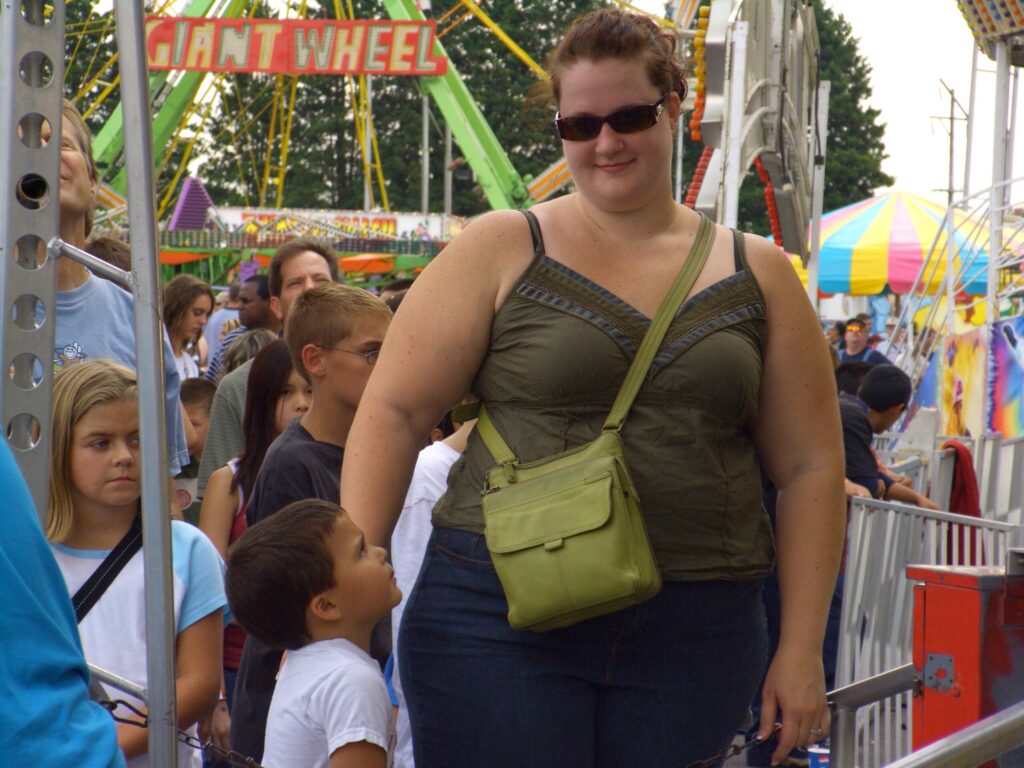
I had a Roux-en-Y gastric bypass in 2006. I weighed 310 pounds at my heaviest.
I’m not going to soften that or dress it up. I was raising kids, carrying real-life stress. I grew up in a family that fed you when things were good, bad, sad, happy, all of it. I never had a healthy relationship with food.
I was 33 years old, and my body stopped responding to anything I tried. Not another diet, not another plan, not more willpower, not the diet pills doctors prescribed. I needed more than what those options could give me.
I had put off surgery for a couple of years, thinking I could find the willpower to lose the weight. But I just kept putting on the pounds.
Things got so bad that one day, at a backyard picnic, the plastic chair I was sitting in collapsed under my weight. Everyone saw it. Everyone had that look of pity. My kids saw it too.
I was done trying, and failing, to lose it on my own.
The surgery worked. It gave me a reset, and I’m grateful for it.
But it wasn’t the magic answer people sometimes think weight loss surgery is.
It changed my body permanently, especially in terms of absorption. The weight came off, but that doesn’t mean I automatically knew how to eat properly, how to get enough protein, how to supplement the vitamins and minerals my body could no longer absorb on its own.
Since then, I’ve had to pay much closer attention to my labwork, digestion, macros, and whether my body is actually getting what it needs.
What I learned is that surgery can change the mechanics. It doesn’t teach you how to understand your body. It doesn’t fix hormones, stress, sleep, food habits, or the deeper reasons your body was fighting you in the first place.
I wouldn’t call it the wrong approach, but I also wouldn’t call it the full answer.
It was a necessary step that opened the door to everything I know now. It forced me to become more aware, more educated, and more willing to question the basic advice we are handed about weight, food, and health.
It also happened at the same time we were learning about food quality through our daughter’s health, and together those experiences changed how we eat, how we think about nutrition, and ultimately why this site exists.
For me, gastric bypass was both a tool and a teacher. It helped me. It also showed me that real health isn’t just about weighing less. It’s about knowing your body well enough to support a weight that works for your body type and your health.
Why Your 30-Something Diet Is Backfiring
Weight loss after 50 stalls because declining estrogen and testosterone change where fat is stored, particularly toward the midsection. Simultaneously, age-related muscle loss slows the resting metabolism. These hormonal and compositional shifts mean that the same caloric intake that maintained weight at 35 now results in weight gain at 55.
Even though I figured out how to maintain my weight all these years, when I started menopause at 48 years old, I didn’t change anything, yet I started gaining weight. You have to re-learn your body in its new state.
So you cut calories harder. You add more cardio. You push through.
And it backfires.
Cutting calories too aggressively after 50 doesn’t just slow your metabolism further. It drives up cortisol, which tells your body to hold onto belly fat as an energy reserve. The harder you restrict, the harder your body fights back.
This is why women over 50 can eat 1,200 calories a day, exercise five times a week, and still not lose weight. The approach itself is the problem. Your body interprets extreme restriction as a threat and responds accordingly.
The answer isn’t eating less. It’s eating differently. And understanding what your body actually needs at this stage.
The Real Drivers of Midlife Weight Gain
Midlife weight gain isn’t one problem. It’s a tangle of things happening at the same time, and they feed each other.
Poor sleep spikes your hunger hormones. You wake up hungrier, less satisfied after eating, and with less capacity to make good choices. One bad night doesn’t matter. Months of bad sleep rewires your appetite.
Chronic stress keeps cortisol elevated. Cortisol tells your body to store energy as visceral fat around your midsection. You can eat well and exercise consistently and still carry belly fat if your stress isn’t addressed.
Muscle loss accelerates if you’re not actively working against it. Less muscle means a slower metabolism. A slower metabolism means the same food intake produces different results than it did ten years ago.
And the standard American diet is working against all of it. Ultra-processed food, hidden sugars, hormones in meat and dairy, bread with 15 ingredients. Your gut gets inflamed, your blood sugar spikes and crashes, and your body stores more than it burns.
These aren’t separate problems. They compound. Fix one, and the others start to shift. Ignore them, and they get louder.
Why Your 30-Something Diet Is Backfiring
Punishing cardio isn’t the answer. If it were, everyone on a treadmill for an hour a day would be at their goal weight. They’re not.
The most effective thing you can do for weight loss after 50 is build muscle. Muscle is a metabolically active tissue. More muscle means a faster resting metabolism.
We walk daily. Shawn lifts a few times a week, and I use resistance bands. That’s the routine. We’re not athletes. We’re not training for anything. We’re building and maintaining the muscle that keeps our metabolism from declining further.
After 50, recovery matters more than intensity. Rest days are part of the process. Chronic overtraining keeps cortisol elevated, which drives the belly fat storage you’re trying to fix.
Move consistently. Strengthen regularly. Recover properly. And paying attention. That’s the system.
The Simple Six focus points
Everything related to your health and wellness comes down to these. Make them a priority, and you will see the difference.
If Your Digestion and Immunity Are Off
Your gut runs more than you think. Digestion, energy, mood, immunity, and even skin. When it’s off, everything is off. This is the foundation for your entire body.
If You Don’t Know What to Eat Anymore
Protein matters more now than ever before. Processed food hits harder. And most nutrition advice out there isn’t written for someone managing a full life after 50.
If Your Skin Is Changing
Skincare products alone can’t resolve internal issues and might even make them worse. Factors like gut health, nutrition, sleep, and stress all impact your face before any cream has a chance to work.
If You are constantly low energy
When the clock strikes 7, and you’re ready to cancel dinner plans because you’re too tired to go out. It usually traces back to a few fixable things, and fixing them changes everything else, too.
If the Scale Won’t Budge
Midlife weight gain isn’t just about calories. Hormones, sleep, gut health, and stress all play a role. We break down what’s actually happening and what shifts make the biggest difference so you can feel and look your best.
If You’re Waking Up Exhausted
You can’t out-supplement bad sleep. You can’t out-exercise it either. And you certainly can’t keep accepting it. Poor sleep affects weight, mood, metabolism, recovery, and almost every health marker that matters.
Check Your Own Baseline
If you’re not sure what’s actually stalling your weight loss, the Simple Six Self-Check is the fastest way to find out. It takes five minutes, covers all six pillars, and gives you a starting point.
About Shawn and Wendy Robinson
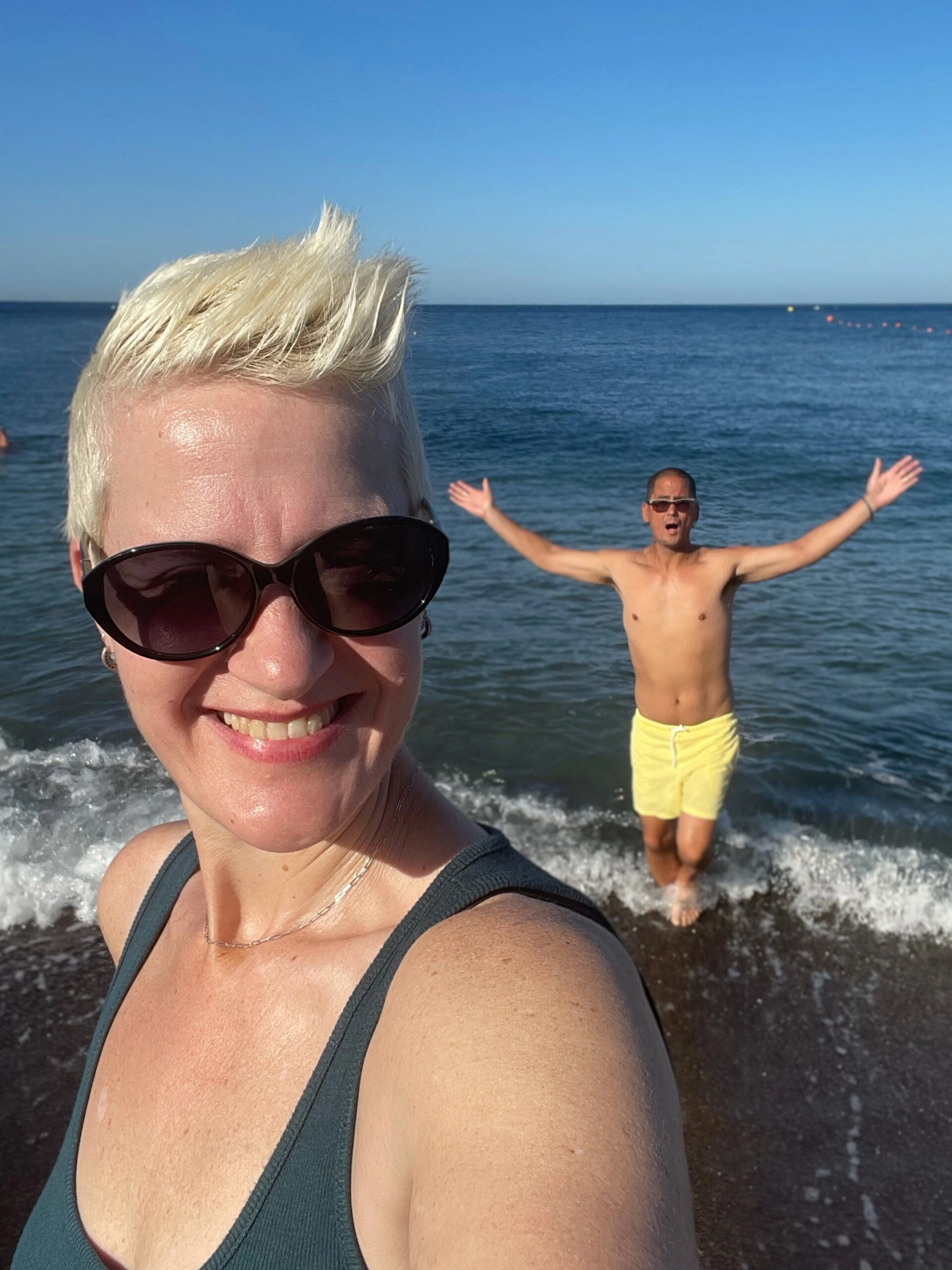
Shawn & I met in 1996, started a family, and have built a beautiful life. We’ve also built multiple startups and a Direct Sales business, and have supported ourselves with multiple streams of location-independent income, training thousands of people globally along the way.
Over the past 20 years, we’ve explored health and wellness through personal experience, experimenting with various diets, raising kids, managing health scares, food sensitivities, and weight changes, as well as traveling to 39 countries. These journeys showed us how food quality, lifestyle, and culture influence physical and mental aging. We’re practitioners, not gurus. Everything here stems from real-life experiences, personal advocacy, and taking control.
Disclosure: GutBeautyBody content is written from personal experience and research. We are not medical professionals. All factual health claims are sourced from peer-reviewed research and reputable health organizations. Read our full Medical Disclosure here.